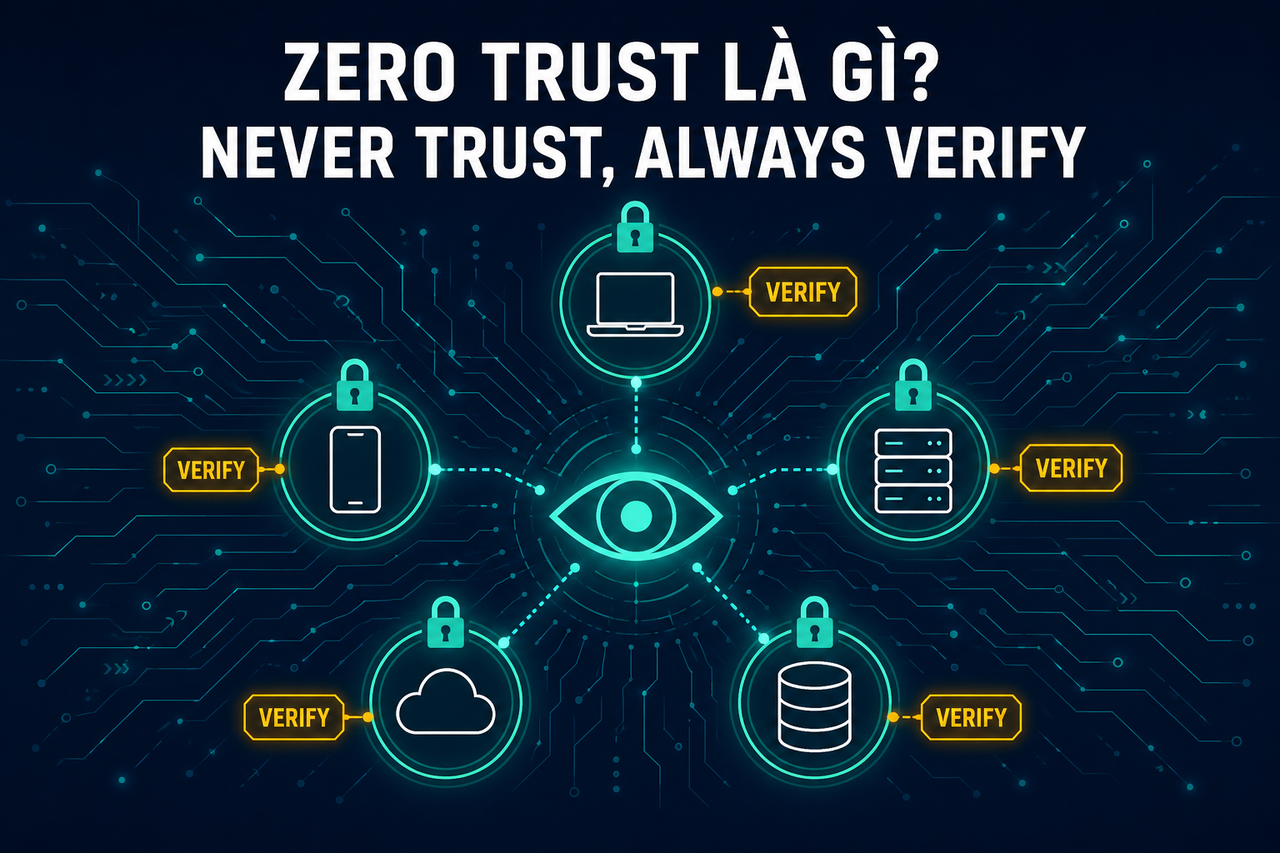
Zero Trust Là Gì? Mô Hình Bảo Mật 'Không Tin Tưởng Ai'
Security

Zero Trust Là Gì? Mô Hình Bảo Mật 'Không Tin Tưởng Ai'

Zero Trust là mô hình bảo mật hiện đại với nguyên tắc 'Never trust, always verify'. Tìm hiểu kiến trúc, nguyên tắc cốt lõi, BeyondCorp, Cloudflare Access và cách triển khai từng bước.

Trong series: Bảo mật
  1. 1 Mã độc là gì? Phân loại, đặc tính và cách phòng tránh
  2. 2 DDos là gì? Dấu hiệu, xử lý và cách phòng chống hiệu quả
  3. 3 Phishing là gì? Nhận diện và phòng chống tấn công lừa đảo trực tuyến
  4. 4 DNS Sinkhole là gì? Ứng dụng và cách dùng kỹ thuật DNS Sinkhole
  5. 5 OAuth 2.0 là gì? Ủy quyền truy cập và đăng nhập bằng Google/Facebook
  6. 6 Trojan là gì? Những thông tin cơ bản về mã độc Trojan
  7. 7 Zero Trust Là Gì? Mô Hình Bảo Mật 'Không Tin Tưởng Ai'
  8. 8 VPN là gì? Mạng riêng ảo, WireGuard và OpenVPN
  9. 9 MFA Là Gì? So Sánh MFA vs 2FA và Các Phương Thức Xác Thực
  10. 10 Tường lửa là gì? Vai trò và chức năng trong bảo mật mạng
  11. 11 SQL Injection là gì? Tấn công cơ sở dữ liệu và cách phòng chống
  12. 12 Ransomware là gì? Mã độc mã hóa tống tiền và cách phòng chống
  13. 13 WAF Là Gì? Web Application Firewall Bảo Vệ Ứng Dụng Web
  14. 14 XSS là gì? Cross-Site Scripting và cách phòng chống hiệu quả
✦ Tóm tắt nhanh
Zero Trust là mô hình bảo mật hiện đại với nguyên tắc 'Never trust, always verify'. Tìm hiểu kiến trúc, nguyên tắc cốt lõi, BeyondCorp, Cloudflare Access và cách triển khai từng bước.
Bài này thế nào?

Zero Trust Là Gì? Tại Sao Mô Hình Cũ Thất Bại?
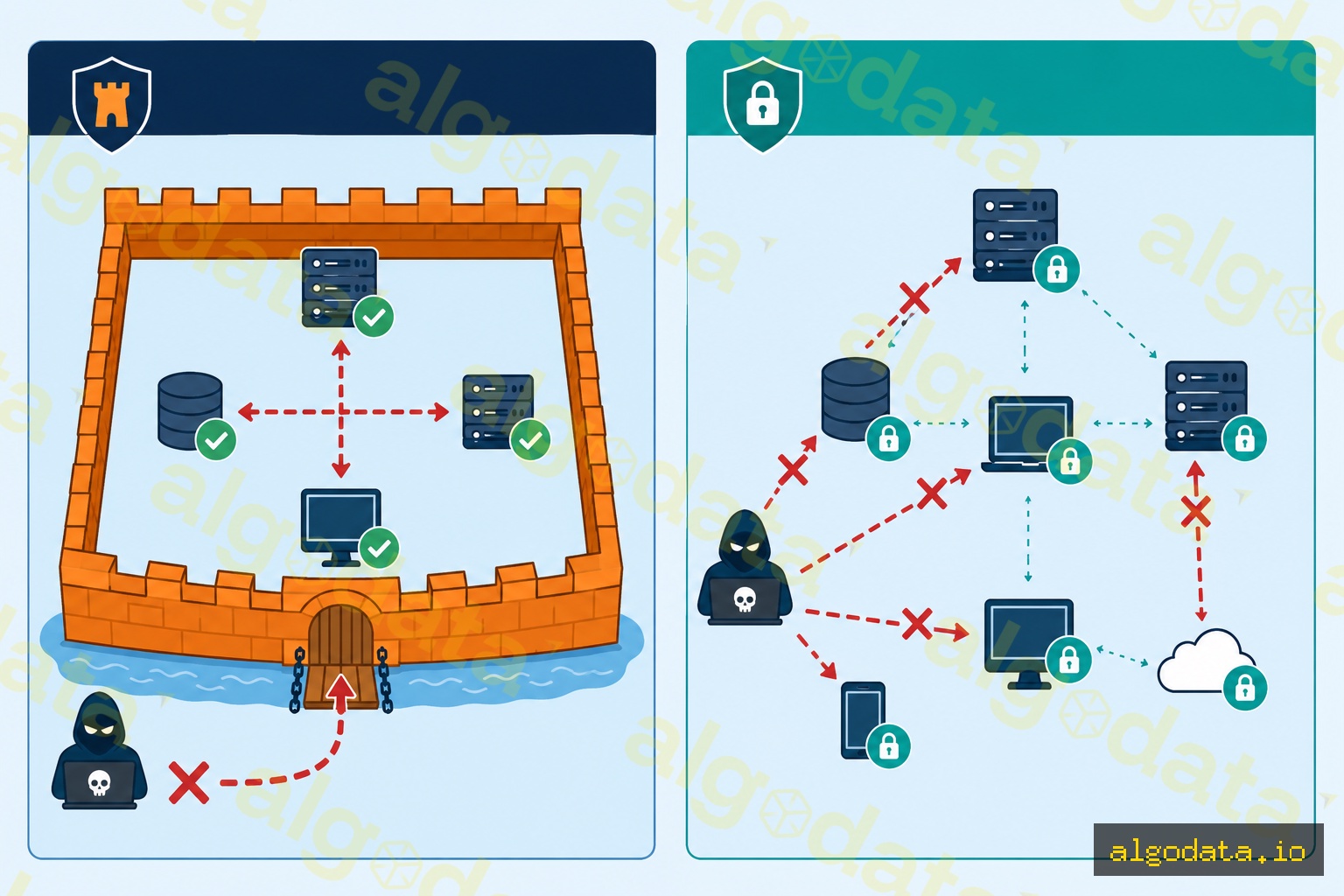
Zero Trust là mô hình bảo mật được John Kindervag (Forrester Research) đặt tên năm 2010, dựa trên nguyên tắc cốt lõi:

"Never trust, always verify — không bao giờ tin tưởng mặc định, luôn luôn xác minh"

Tại sao mô hình perimeter cũ thất bại?

Mô hình bảo mật truyền thống (castle-and-moat) tin rằng: mọi thứ bên trong mạng nội bộ (VPN, intranet) đều an toàn. Attacker chỉ cần xuyên qua perimeter một lần — sau đó tự do di chuyển khắp mạng (lateral movement).

Thực tế hiện đại phá vỡ giả định này:

  • Remote work: nhân viên làm việc từ nhiều địa điểm, thiết bị khác nhau
  • Cloud-first: tài nguyên nằm trên AWS/GCP/Azure, không còn "bên trong" mạng công ty
  • Supply chain attack: attacker xâm nhập qua vendor, partner, không cần vượt firewall trực tiếp
  • Insider threat: thiết bị bị compromise bên trong mạng vẫn nguy hiểm

Thống kê: 80% data breach có yếu tố stolen credentials (Verizon DBIR 2024). Mô hình "tin tưởng sau khi login một lần" là điểm yếu chí mạng.

Ba Nguyên Tắc Cốt Lõi Của Zero Trust

1. Verify Explicitly (Xác minh rõ ràng)

Authenticate và authorize mọi request dựa trên tất cả available data points:

  • Identity (ai đang request?)
  • Device health (thiết bị có được quản lý, patch đầy đủ không?)
  • Location (từ đâu? công ty hay cà phê wifi?)
  • Service/workload (request đến resource nào?)
  • Data classification (dữ liệu nhạy cảm không?)

2. Use Least Privilege Access

Cấp quyền tối thiểu cần thiết, đúng thời điểm, đúng thời lượng:

  • Just-in-Time (JIT) access: quyền tạm thời cho task cụ thể
  • Just-Enough-Access (JEA): không cấp quyền admin vĩnh viễn
  • Privileged Identity Management (PIM): escalate tạm thời khi cần

3. Assume Breach

Thiết kế hệ thống giả định attacker đã bên trong:

  • Encrypt mọi thứ, kể cả traffic nội bộ (mTLS)
  • Segment mạng để giới hạn blast radius
  • Giám sát và log toàn bộ activity
  • Minimize blast radius khi breach xảy ra

Zero Trust vs VPN — Tại Sao VPN Không Đủ?
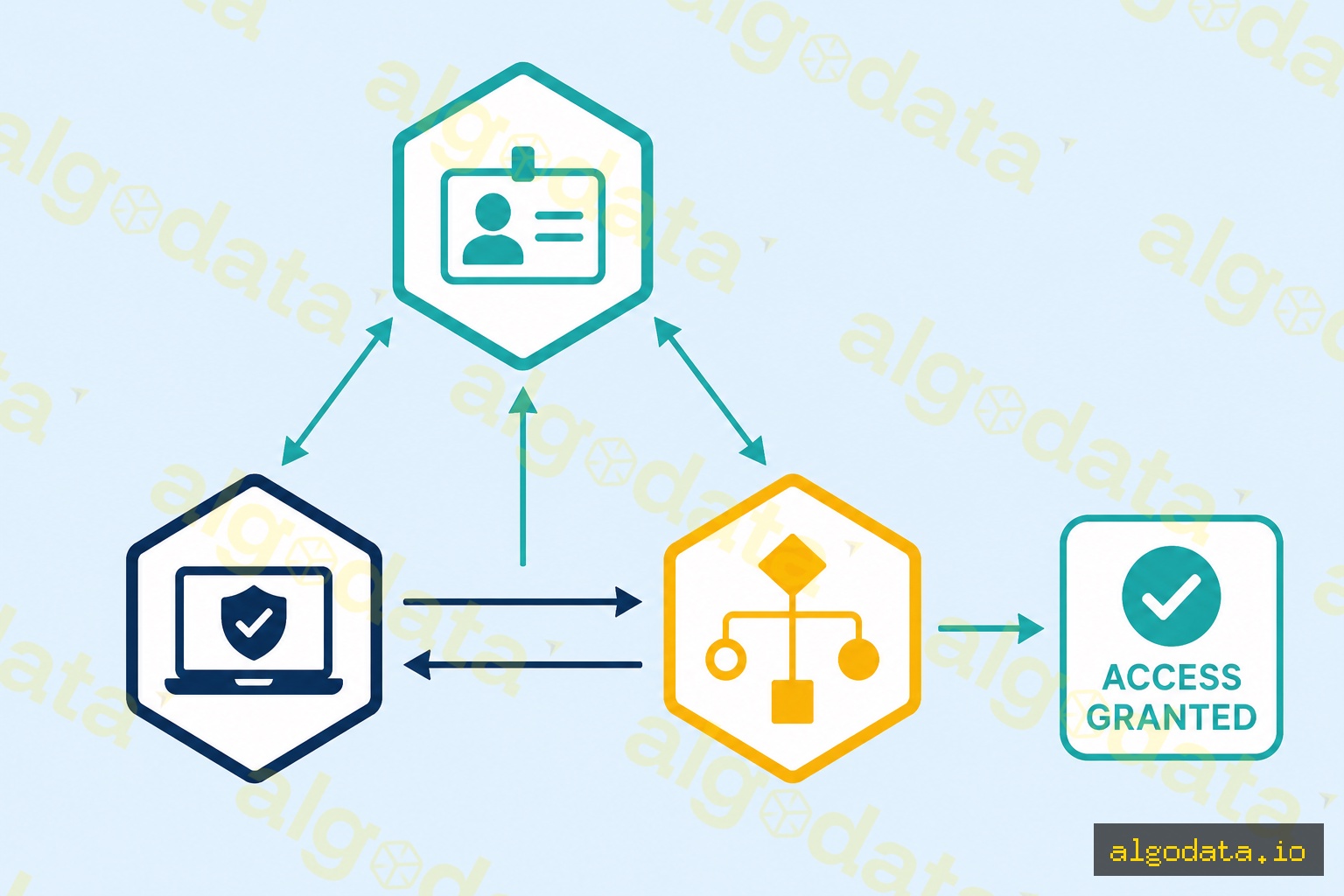
VPN truyền thống:

  • Cấp quyền truy cập toàn bộ mạng nội bộ sau 1 lần authenticate
  • Không phân biệt thiết bị managed vs unmanaged
  • Không verify trạng thái thiết bị liên tục
  • Nếu credential bị đánh cắp, attacker có full network access

Zero Trust Network Access (ZTNA):

  • Cấp quyền từng ứng dụng cụ thể (per-app access)
  • Verify device posture (OS patch, antivirus, disk encryption)
  • Continuous authentication — verify lại theo session, hành vi
  • Least privilege: dev chỉ vào được dev server, không vào production DB

So sánh:

Tiêu chí VPN ZTNA
Scope sau authenticate Toàn mạng Từng app cụ thể
Device trust check Không Có (continuous)
Lateral movement Dễ dàng Bị chặn bởi microsegment
Visibility Thấp Cao (log mọi request)
Remote work UX Chậm, lag Nhanh hơn (direct to cloud)

Kiến Trúc Zero Trust: 4 Thành Phần Cốt Lõi

1. Identity Provider (IdP)

Trung tâm của Zero Trust. Quản lý user identity, enforce MFA, SSO.

  • Examples: Okta, Azure Active Directory, Google Workspace, Ping Identity

2. Device Trust

Kiểm tra trạng thái thiết bị trước khi cấp quyền truy cập:

  • Device được quản lý (MDM enrolled)?
  • OS đã patch mới nhất?
  • Disk encryption bật?
  • Antivirus đang chạy?
  • Không có malware indicator?

3. Policy Engine

Bộ não ra quyết định: allow/deny/step-up-auth dựa trên policy.

Policy: 
  IF user.role == "engineer" 
  AND device.managed == true
  AND device.os_patch_age <= 30 days
  AND request.resource == "prod-db"
  AND request.location NOT IN ["high-risk-countries"]
  THEN allow WITH session_logging
  ELSE deny OR require step-up MFA

4. Microsegmentation

Chia mạng thành micro-segment với policy riêng, chặn lateral movement.

Triển Khai Thực Tế: BeyondCorp, Cloudflare Access
Google BeyondCorp:

Google xây dựng BeyondCorp từ 2011 sau Operation Aurora (hack bởi APT). Thay vì VPN:

  1. Device inventory database — track mọi thiết bị công ty
  2. Identity-aware proxy — mọi request phải qua proxy, xác thực identity + device
  3. Context-aware access — policy dựa trên user role + device state + location
  4. Không có "trusted" network — engineer làm từ cà phê wifi cũng có cùng security posture như trong văn phòng

Cloudflare Access:

YAML
 1# Cloudflare Access policy (terraform)
 2resource "cloudflare_access_policy" "engineering_only" {
 3  application_id = cloudflare_access_application.internal_app.id
 4  zone_id        = var.zone_id
 5  name           = "Engineering Team Only"
 6  precedence     = 1
 7  decision       = "allow"
 8
 9  include {
10    email_domain = ["company.com"]
11    group        = [cloudflare_access_group.engineers.id]
12  }
13
14  require {
15    device_posture = [cloudflare_device_posture_rule.managed_device.id]
16  }
17}

Azure AD Conditional Access:

JSON
 1{
 2  "displayName": "Require MFA for all users",
 3  "state": "enabled",
 4  "conditions": {
 5    "users": { "includeUsers": ["All"] },
 6    "applications": { "includeApplications": ["All"] }
 7  },
 8  "grantControls": {
 9    "operator": "OR",
10    "builtInControls": ["mfa"]
11  }
12}

Microsegmentation — Chặn Lateral Movement

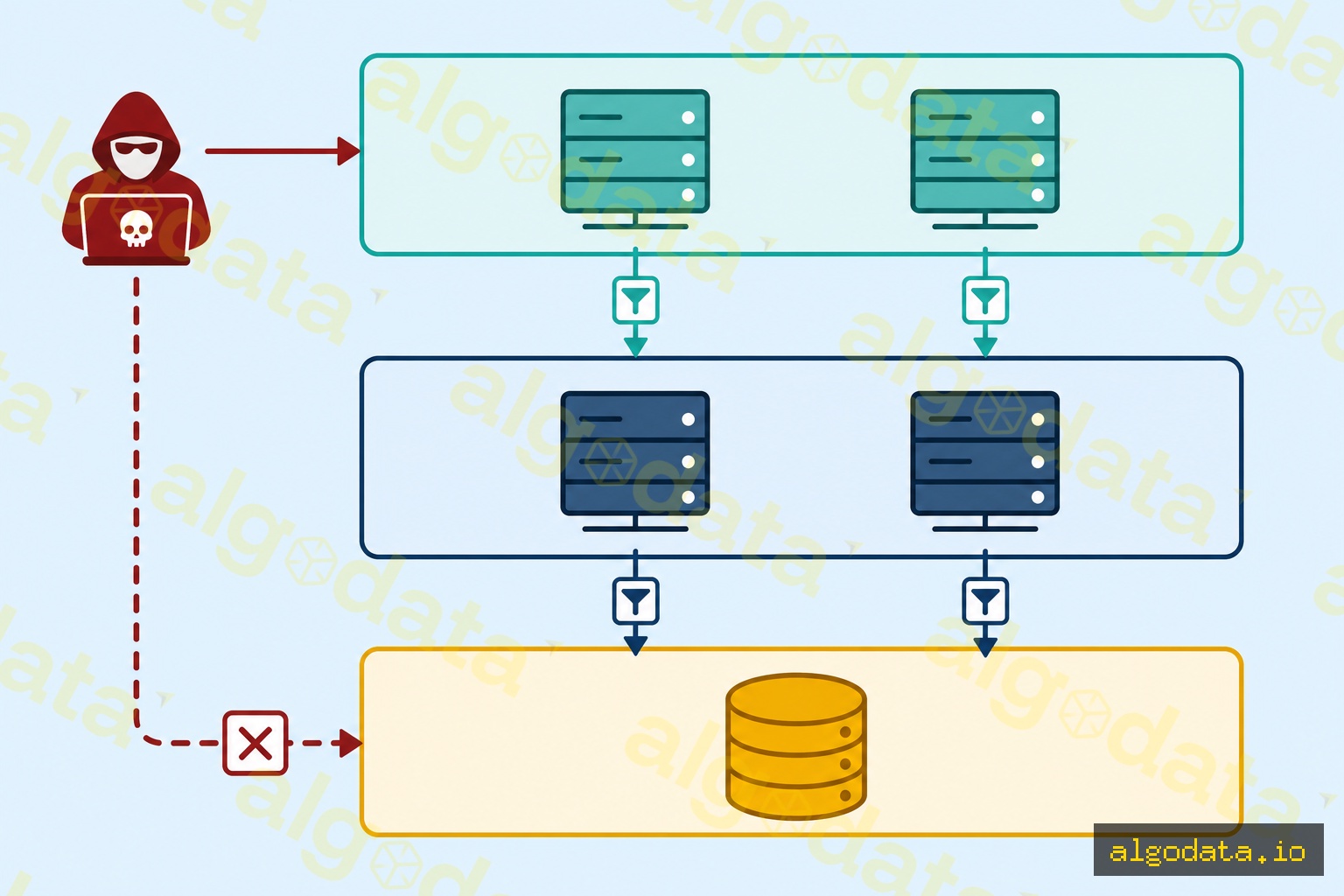
Microsegmentation chia mạng flat (nơi mọi server có thể talk với nhau) thành các zone nhỏ với policy riêng:

Zone: Web Tier
  - Chỉ nhận traffic từ Load Balancer (port 443)
  - Chỉ được kết nối đến App Tier (port 8080)
  - KHÔNG được kết nối trực tiếp Database Tier

Zone: App Tier
  - Chỉ nhận traffic từ Web Tier (port 8080)
  - Chỉ được kết nối đến DB Tier (port 5432)
  - KHÔNG được internet access

Zone: DB Tier
  - Chỉ nhận traffic từ App Tier (port 5432)
  - KHÔNG outbound internet
  - Encrypted at rest + in transit (mTLS)

Nếu attacker compromise được Web Tier, họ KHÔNG thể nhảy thẳng vào DB. Phải đi qua từng zone, mỗi bước đều bị kiểm soát và logged.

Zero Trust Maturity Model — 3 Giai Đoạn

Giai đoạn 1: Traditional (Khởi điểm)

  • Dùng VPN để remote access
  • Ít hoặc không có MFA
  • Flat network, tất cả server trong một subnet
  • Hành động: Enable MFA cho tất cả account, triển khai SSO

Giai đoạn 2: Advanced

  • SSO + MFA bắt buộc
  • Conditional access policy cơ bản
  • Device management (MDM)
  • Hành động: Bắt đầu microsegmentation, implement ZTNA cho critical apps

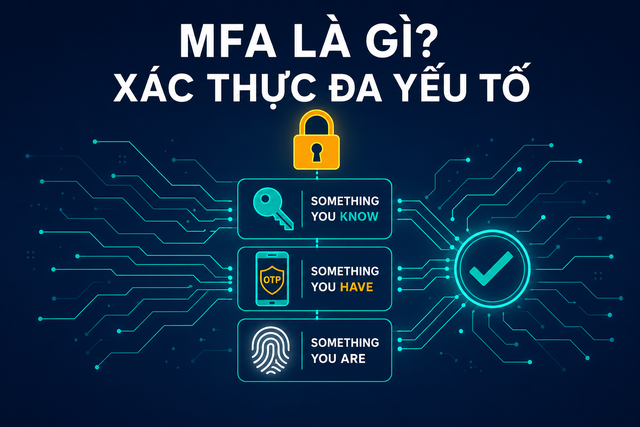
MFA là gì? Xác thực đa yếu tố trong Zero Trust

Giai đoạn 3: Optimal

  • Continuous verification cho mọi request
  • Automated device compliance enforcement
  • Full microsegmentation với real-time policy
  • Behavioral analytics và anomaly detection
  • Hành động: Loại bỏ hoàn toàn VPN, mTLS giữa tất cả service

Ứng Dụng Thực Tế

Remote work security: Nhân viên remote được xác thực theo device state + identity, không cần VPN chậm chạp. Cloudflare Access hoặc Zscaler Private Access thay thế VPN.

VPN là gì? Tại sao Zero Trust đang thay thế VPN

Post-breach recovery: Sau khi bị breach, Zero Trust giúp contain damage — attacker không thể lateral move tự do.

SaaS-heavy organization: Khi hầu hết apps là SaaS (Slack, Salesforce, GitHub), Identity-aware proxy + Conditional Access bảo vệ từng app riêng biệt.

API Gateway là gì? Điểm kiểm soát trong kiến trúc Zero Trust
Câu hỏi thường gặpQ&A

What Is Zero Trust? Why the Old Perimeter Model Failed

Zero Trust is a security model coined by John Kindervag of Forrester Research in 2010, built on one core principle:

"Never trust, always verify — never assume anything is safe by default; always authenticate and authorize explicitly."

Why did the perimeter model fail?

The traditional castle-and-moat security model assumed that everything inside the corporate network (behind the VPN or firewall) was safe. An attacker only needed to breach the perimeter once — after that, they could move freely throughout the network (lateral movement).

Modern realities shatter this assumption:

  • Remote work: employees work from many locations on many different devices
  • Cloud-first: resources live on AWS/GCP/Azure, no longer "inside" the corporate network
  • Supply chain attacks: attackers enter through vendors or partners without ever touching the firewall directly
  • Insider threats: a compromised device inside the network is just as dangerous as an outside attacker

By the numbers: 80% of data breaches involve stolen credentials (Verizon DBIR 2024). Trusting anyone who logged in once is a critical vulnerability.

The Three Core Principles of Zero Trust

1. Verify Explicitly

Authenticate and authorize every request using all available data points:

  • Identity (who is making the request?)
  • Device health (is the device managed and fully patched?)
  • Location (from where? the office, or a coffee shop Wi-Fi?)
  • Service/workload (which resource is being accessed?)
  • Data classification (is this sensitive data?)

2. Use Least Privilege Access

Grant the minimum permissions needed, at the right time, for the right duration:

  • Just-in-Time (JIT) access: temporary rights for a specific task
  • Just-Enough-Access (JEA): no permanent admin privileges
  • Privileged Identity Management (PIM): temporary escalation when genuinely needed

3. Assume Breach

Design systems assuming an attacker is already inside:

  • Encrypt everything, including internal traffic (mTLS)
  • Segment the network to limit blast radius
  • Monitor and log all activity
  • Minimize impact when a breach occurs

Zero Trust vs VPN — Why VPN Isn't Enough

Traditional VPN:

  • Grants full internal network access after a single authentication
  • Does not distinguish between managed and unmanaged devices
  • Does not continuously verify device state
  • If credentials are stolen, the attacker has full network access

Zero Trust Network Access (ZTNA):

  • Grants access per-application only
  • Verifies device posture (OS patch level, antivirus, disk encryption)
  • Continuous authentication — re-verified per session and behavior
  • Least privilege: a developer can only reach the dev server, not the production database

Comparison:

Criterion VPN ZTNA
Scope after authentication Entire network Per application
Device trust check No Yes (continuous)
Lateral movement Easy Blocked by microsegmentation
Visibility Low High (every request logged)
Remote work UX Slow, laggy Faster (direct to cloud)

Zero Trust Architecture: 4 Core Components

1. Identity Provider (IdP)

The center of Zero Trust. Manages user identity, enforces MFA and SSO.

  • Examples: Okta, Azure Active Directory, Google Workspace, Ping Identity

2. Device Trust

Checks device state before granting access:

  • Is the device managed (MDM enrolled)?
  • Is the OS on the latest patch?
  • Is disk encryption enabled?
  • Is antivirus running?
  • Are there any malware indicators?

3. Policy Engine

The decision brain: allow/deny/step-up-auth based on defined policies.

Policy: 
  IF user.role == "engineer" 
  AND device.managed == true
  AND device.os_patch_age <= 30 days
  AND request.resource == "prod-db"
  AND request.location NOT IN ["high-risk-countries"]
  THEN allow WITH session_logging
  ELSE deny OR require step-up MFA

4. Microsegmentation

Divides the network into micro-segments with individual policies to block lateral movement.

Real-World Deployment: BeyondCorp and Cloudflare Access

Google BeyondCorp:

Google built BeyondCorp starting in 2011 after Operation Aurora (an APT attack). Instead of VPN:

  1. Device inventory database — tracks every corporate device
  2. Identity-aware proxy — every request goes through a proxy that verifies identity and device
  3. Context-aware access — policy driven by user role, device state, and location
  4. No "trusted" network — an engineer on coffee shop Wi-Fi has the same security posture as one in the office

Cloudflare Access:

YAML
 1# Cloudflare Access policy (terraform)
 2resource "cloudflare_access_policy" "engineering_only" {
 3  application_id = cloudflare_access_application.internal_app.id
 4  zone_id        = var.zone_id
 5  name           = "Engineering Team Only"
 6  precedence     = 1
 7  decision       = "allow"
 8
 9  include {
10    email_domain = ["company.com"]
11    group        = [cloudflare_access_group.engineers.id]
12  }
13
14  require {
15    device_posture = [cloudflare_device_posture_rule.managed_device.id]
16  }
17}

Azure AD Conditional Access:

JSON
 1{
 2  "displayName": "Require MFA for all users",
 3  "state": "enabled",
 4  "conditions": {
 5    "users": { "includeUsers": ["All"] },
 6    "applications": { "includeApplications": ["All"] }
 7  },
 8  "grantControls": {
 9    "operator": "OR",
10    "builtInControls": ["mfa"]
11  }
12}

Microsegmentation — Blocking Lateral Movement

Microsegmentation breaks up a flat network (where every server can talk to every other server) into small zones with individual policies:

Zone: Web Tier
  - Accepts traffic only from Load Balancer (port 443)
  - May only connect to App Tier (port 8080)
  - CANNOT connect directly to Database Tier

Zone: App Tier
  - Accepts traffic only from Web Tier (port 8080)
  - May only connect to DB Tier (port 5432)
  - NO internet access

Zone: DB Tier
  - Accepts traffic only from App Tier (port 5432)
  - NO outbound internet
  - Encrypted at rest + in transit (mTLS)

If an attacker compromises the Web Tier, they CANNOT jump directly to the database. They must traverse each zone, and every step is controlled and logged.

Zero Trust Maturity Model — 3 Stages

Stage 1: Traditional (Starting Point)

  • VPN used for remote access
  • Little or no MFA
  • Flat network with all servers in a single subnet
  • Action: Enable MFA for all accounts, deploy SSO

Stage 2: Advanced

  • SSO + MFA mandatory
  • Basic conditional access policies
  • Device management (MDM)
  • Action: Begin microsegmentation, implement ZTNA for critical apps

Stage 3: Optimal

  • Continuous verification for every request
  • Automated device compliance enforcement
  • Full microsegmentation with real-time policy
  • Behavioral analytics and anomaly detection
  • Action: Eliminate VPN entirely, mTLS between all services

Practical Applications

Remote work security: Remote employees are authenticated by device state and identity — no slow VPN required. Cloudflare Access or Zscaler Private Access replaces the VPN.

Post-breach recovery: After a breach, Zero Trust helps contain damage — attackers cannot move laterally at will.

SaaS-heavy organizations: When most apps are SaaS (Slack, Salesforce, GitHub), an identity-aware proxy with Conditional Access protects each application individually.

What is VPN? Why Zero Trust is replacing it

What is MFA? Multi-factor auth in Zero Trust

What is an API Gateway? Control point in Zero Trust architecture

Frequently Asked QuestionsQ&A