Web 3.0 is the next generation of the Internet, integrating blockchain, artificial intelligence, and the semantic web to create a decentralized and transparent environment. This article provides a detailed analysis of the characteristics, foundational technologies, advantages, disadvantages, and challenges of Web 3.0.
2019Trusted since
B2BData solutions
Data·AIExpertise
Need data solutions for your business?
AlgoData has helped businesses with data engineering, analytics & AI since 2019.
In this article, we will explore in detail what Web 3.0 is, its key features, how it works, its pros and cons, as well as its foundational technologies. This will give you a comprehensive view of this new generation of the web, along with the potential it promises to deliver in the near future.
What is Web 3.0? A Comprehensive Guide to Web 3.0
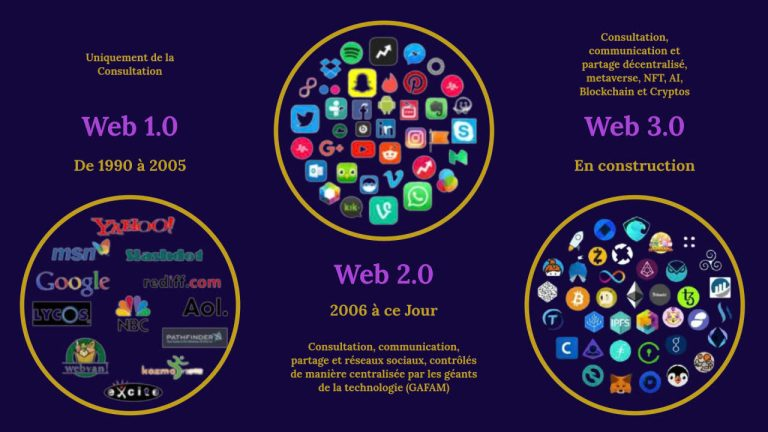
Web 3.0, also known as Web3, is considered the next generation of the World Wide Web, integrating advanced technologies such as artificial intelligence, blockchain, and new concepts in network infrastructure and decentralized data.
The main goal of Web 3.0 is to create a smart, transparent, secure Internet environment that is controlled by users themselves. It will overcome the shortcomings of previous web generations, opening up new opportunities in fields such as e-commerce, media, finance, and more.
In Web 3.0, information will not only be understood by humans but also by machines, thanks to technologies like the Semantic Web. User data will be better protected and managed through blockchain solutions and distributed systems. Applications will be smarter and more responsive, with automation capabilities, cross-platform interoperability, and highly personalized user experiences.
Key Features of Web 3.0
To distinguish it from previous web generations, Web 3.0 possesses the following standout features:
Decentralization: In Web 3.0, data and applications are stored across multiple network nodes rather than on a few centralized servers. This increases security, transparency, and reduces the risk of data monopolies.
Artificial Intelligence (AI) and Machine Learning: Web 3.0 will serve as a platform for AI applications to flourish. Websites and services will be smarter, capable of understanding context, providing relevant suggestions, and even performing complex tasks.
Semantics and Structured Data: Web 3.0 will define common standards and semantics so that computers can understand web content, making information search and processing more accurate and efficient.
Blockchain-Based Authentication: By using blockchain technology, Web 3.0 will enable transactions and digital contracts to be carried out more securely and transparently without the need for intermediaries.
3D Interaction and Virtual Reality: Web 3.0 will integrate virtual reality (VR) and augmented reality (AR) technologies, delivering more vivid, realistic, and impressive user experiences.
Universal Accessibility: With Web 3.0, you can access the Internet more easily from any device, including phones, TVs, cars, smart home appliances, and more.
Core Ideas of Web 3.0
Web 3.0 is built on core ideas and principles designed to improve the limitations of previous web generations. Here are the main ideas:
Decentralization of Information
One of the key ideas behind Web 3.0 is to decentralize the Internet. Currently, most web data is stored on centralized servers owned by major tech companies like Google, Facebook, and Amazon. This creates the risk of these companies having too much control and decision-making power over user data.
Web 3.0 aims to change this through peer-to-peer networking models and blockchain technology. Instead of storing data on a few centralized servers, data will be distributed across many network nodes. Users can better control their own data without relying on third parties.
Greater Transparency and Security
By applying blockchain technology, Web 3.0 will bring stronger transparency and security to online transactions. Every action on the blockchain is recorded and cannot be altered or deleted. As a result, users can trust and verify their transactions without fear of forgery.
Additionally, users' sensitive information will be securely encrypted using public key cryptography. Therefore, organizations and individuals cannot access this data without authorization.
The Semantic Web is an essential part of Web 3.0. It allows computers to understand the meaning and context of web data rather than simply organizing it.
By tagging and defining common standards for data, the Semantic Web enables computers to "understand" web content and the relationships between them. As a result, virtual assistants and search engines can deliver accurate, context-relevant information instead of relying solely on keyword matching.
Intelligent Information Access
Thanks to the combination of AI, the Semantic Web, and structured data, Web 3.0 will help users find the information they need more quickly and intelligently.
Instead of users having to manually search, filter, and analyze information as before, Web 3.0 will automatically understand their needs and provide the most relevant results based on behavior, preferences, and personal context. This will save users time and effort while opening up new opportunities for discovery and learning on the Internet.
How Does Web 3.0 Work?
Compared to previous web generations, Web 3.0 operates differently in many aspects:
Using Blockchain Technology: Transactions and data exchanges on Web 3.0 will be verified and recorded using distributed ledger technology like blockchain, increasing transparency and safety.
Deploying Smart Contracts: Web 3.0 enables the use of smart contracts that automatically execute predefined terms when conditions are met.
Structured and Interconnected Data: Instead of storing isolated data, Web 3.0 connects data through common standards, making information retrieval and processing more efficient.
Role of AI and Machine Learning: Web 3.0 will integrate many AI solutions to analyze and understand user behavior while improving interaction and content recommendations.
Using Consensus Mechanisms: The rules and transaction verification processes on Web 3.0 will be determined by the community rather than depending on just a few organizations.
No Dependence on a Single Server: Data is stored across multiple network nodes, so access is not affected if a few servers experience issues.
Multi-device access: Web 3.0 runs not only on computers and phones but can also be accessed through a wide variety of other smart devices.
Architecture of Web 3.0
The three main layers in Web 3.0 architecture include:
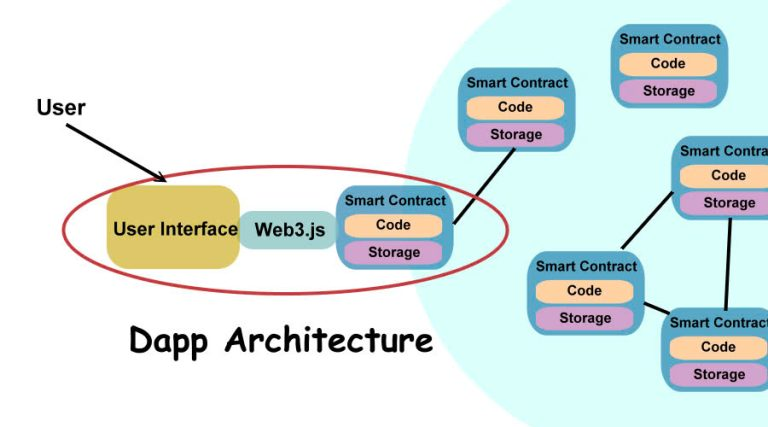
Application Layer: Users interact directly with decentralized applications (DApps) running on blockchain platforms.
Service Layer: Provides smart contracts that define how Web 3.0 applications operate and under what conditions.
Infrastructure Layer: Comprises the network of computers and nodes that participate in processing transactions, verification, and distributed data storage.
Additionally, Web 3.0 integrates many other components such as peer-to-peer networks, the InterPlanetary File System (IPFS), Decentralized Autonomous Organizations (DAOs), semantic web technologies, and more. All of these work together and complement each other to deliver a more powerful and secure web environment.
Advantages of Web 3.0
Web 3.0 brings many superior benefits compared to previous web generations thanks to its advanced technologies and new models. Some notable advantages include:
User Privacy and Data Control
On Web 3.0, users have full control over their own data instead of handing it over to tech companies. This helps protect privacy and personal data sovereignty against the risks of unauthorized exploitation, sharing, or cyberattacks.
Seamless Services and Easy Integration
Web 3.0 allows users to access multiple services and platforms without needing to create separate accounts and re-enter information multiple times. As a result, the user experience becomes significantly more seamless and convenient.
Data Transparency and Verifiability
With blockchain technology, all transactions and activities on Web 3.0 are recorded transparently and immutably. Users can easily check and verify the authenticity of information without relying on third parties. This reduces the risk of fraud and forgery while increasing user trust.
Access to Open and Unrestricted Data
One of the major advantages of Web 3.0 is opening up access to vast open data sources that are not controlled or restricted by any organization. Users and developers can freely exploit and use data to create new applications and services without needing permission or paying fees.
Unlimited Development Platform
Web 3.0 will be an ideal environment for developers to build and deploy decentralized applications (DApps) without being bound by platforms or intermediary service providers. They can freely innovate, improve products, and leverage community power to develop applications.
Single Profile Across Multiple Services
Instead of creating and managing multiple separate accounts for each service, Web 3.0 will allow users to use a single profile to access all applications. This brings convenience and reduces security risks by eliminating the need to remember or store too many passwords.
Smart and Advanced Data Processing
Thanks to the integration of AI, machine learning, and natural language processing technologies, Web 3.0 will make data search and analysis smarter and more accurate than ever. AI tools can automatically extract meaning and context from information, delivering relevant search results, personalized content recommendations, and even handling complex requests.
Alongside its advantages, Web 3.0 still has some limitations and challenges that need to be addressed:
Requires More Advanced Devices and Technology
To fully access and use all the features of Web 3.0, users need devices that support new technologies such as IoT devices and 5G networks, along with knowledge of blockchain and cryptocurrency. This can be difficult for older users or regions with underdeveloped technology infrastructure.
Legacy Websites (Web 1.0) Will Gradually Become Obsolete
As Web 3.0 becomes the mainstream trend, older websites built on Web 1.0 technology will gradually become outdated and incompatible. Organizations need to plan system transitions to meet new technology requirements and avoid falling behind. This process can be time-consuming and costly.
Not Yet Ready for Widespread Adoption
Currently, Web 3.0 is still in its development and refinement phase. Many foundational technologies such as blockchain, AI, and the semantic web are not yet truly stable or user-friendly for the general public. More time is needed for Web 3.0 to become as widespread and integrated into everyday life as Web 2.0 is today.
Increased Need for Online Reputation Management
When all user activities and transactions are permanently recorded on a public blockchain, managing online reputation becomes more important and challenging. If not careful, past mistakes could be recorded forever and negatively impact the future.
Complex and Confusing Features for Regular Users
Many Web 3.0 features such as cryptocurrency wallets, data wallets, smart contracts, etc., can be quite complex and confusing for everyday users without technical knowledge. This hinders the transition from Web 2.0 to Web 3.0 and requires developers to create simpler, more user-friendly design solutions.
Why is Web 3.0 Important?
Web 3.0 emerged as an inevitable step forward to address the shortcomings of Web 2.0 and unlock new development potential. The importance of Web 3.0 is reflected in:
Challenges with Web 2.0
Although Web 2.0 has brought many conveniences and transformed how we interact on the Internet, it also faces numerous challenges:
Dominance of Big Tech companies: A few Big Tech companies like Google, Facebook, Amazon, etc., hold most of the data and control the market, creating risks of monopoly and distorted competition.
Risk of data leaks and misuse of user data: User data can be exploited by companies to sell to third parties or used for malicious purposes without permission.
Fragmentation and lack of interconnection between services: Users must use multiple accounts and platforms to meet their needs, leading to scattered and hard-to-manage data.
Centralized systems: When servers and web services depend too heavily on a few companies or platforms, we face greater risks of data loss during outages.
Benefits of Web 3.0
In this context, Web 3.0 emerged as a comprehensive solution to address many pressing issues while creating a new, safer, fairer, and more efficient ecosystem:
Enhanced privacy and security for users: Web 3.0 gives users control over their data through distributed technology and authentication, protecting them against privacy violations.
Increased market transparency and efficiency: When all transactions are publicly recorded on blockchain, it limits the ability to manipulate or defraud the market, thereby increasing consumer and investor confidence.
New development opportunities for businesses and content creators: Web 3.0 allows individuals and organizations to connect directly with customers, eliminating intermediaries such as advertising platforms or payment gateways, helping them increase revenue and grow communities.
Optimized user experience with smart applications: By integrating AI and semantic web technology, Web 3.0 will deliver smart virtual assistants, browsers, and search engines that help users interact easily and search for information as naturally as talking to a human.
Laying the foundation for Industry 4.0 and the digital society: Web 3.0 is an indispensable foundation for building IoT systems, smart cities, and digital governments that operate safely and efficiently. It will elevate and accelerate the global digital transformation, ushering in a new era of development.
Key Technologies in Web 3.0
To realize the vision of Web 3.0, many advanced technologies have been and are being developed. The three most important technology pillars include:
Tokenization
Tokenization is the process of converting physical or digital assets into digital units called tokens. These tokens are stored on a blockchain to record ownership and enable secure, transparent transactions. This technology plays a crucial role in Web 3.0, helping create decentralized markets, promoting the sharing economy, and enabling easy valuation and trading of all assets.
WebAssembly
WebAssembly (Wasm) is a bytecode format that allows different programming languages such as C++, Rust, and Go to compile source code into modules that can run with near-native performance in web browsers. Wasm promises to bring speed and flexibility to building complex web applications, creating a new cross-platform programming approach for Web 3.0.
The Semantic Web is a core part of the Web 3.0 vision. Through the use of markup languages like RDF, OWL, and a common data vocabulary, the Semantic Web enables computers to "understand" the meaning and relationships of information on the web. As a result, applications and search engines can analyze and exploit data more accurately, creating a smarter and more deeply personalized internet experience for users.
Examples of Web 3.0 Applications
Web 3.0 opens up countless opportunities to build decentralized, intelligent, and secure applications. Here are some typical examples:
Smart Contracts
Widely used on blockchain platforms like Ethereum and Binance Smart Chain, smart contracts are self-executing programs that carry out terms and commitments when conditions are met. They create a trustworthy, transparent contract system that requires no intermediary oversight, making them very useful in fields such as real estate, insurance, securities, logistics, and more.
Decentralized Identity
Decentralized Identity allows users to create and control their own digital identity without relying on a central organization like Facebook or Google as they do today. Users store their identification information in a data wallet on the blockchain, sharing it only with necessary parties. This application helps protect privacy, prevents data theft and misuse, and enables seamless access to multiple services.
InterPlanetary File System (IPFS)
IPFS is a peer-to-peer protocol that enables decentralized data storage and sharing. Instead of accessing files through specific locations (URLs) as on the current web, IPFS allows content retrieval based on its unique hash value. This creates a flexible, censorship-resistant, and easily scalable storage system that is well suited for Web 3.0.
Challenges in Implementing Web 3.0
Although expected to revolutionize the Internet, Web 3.0 still faces many barriers and difficulties when deploying at scale, including:
Technical Challenges
Despite its great potential, building and applying Web 3.0's foundational technologies still presents many technical challenges:
Blockchain network speed and performance are still limited when handling large and complex data volumes.
Compatibility and interoperability between blockchains, smart contracts, and traditional databases are not yet smooth.
Effectively integrating AI into web applications requires significant investment in research and development.
A comprehensive legal framework to define governance and coordination of decentralized networks is still lacking.
To overcome these barriers, businesses and organizations need to collaborate closely, sharing knowledge and standards to build a synchronized and sustainable Web 3.0 ecosystem.
User Experience and Adoption
Beyond technical issues, Web 3.0 must also face challenges in convincing and attracting participation from mainstream users:
Many Web 3.0 concepts and features are still quite new and complex for regular users. More user-friendly guidance and assistance are needed.
The cost of participating in Web 3.0 remains high due to requirements for advanced devices and internet connections, making it difficult to adopt in developing countries.
Users need to change habits and raise awareness about privacy and security to take full advantage of Web 3.0's benefits.
The lack of public trust and concerns about the safety of blockchain applications may slow the adoption process.
Web 3.0 developers should listen to user feedback, improve interfaces and experiences, and strengthen educational outreach so that Web 3.0 appeals not only to the tech community but also becomes part of everyday life.
Governance
The idea of a decentralized, self-governing Internet also raises many governance and coordination questions:
How to prevent and handle illegal and unethical behavior in the Web 3.0 environment?
How to unify technical rules and standards across platforms and countries when there is no central coordinating authority?
How to balance interests and resolve disputes between participants in DAOs or decentralized networks?
How to monitor and prevent money laundering, terrorism financing, or tax evasion activities on the blockchain?
These questions require multilateral coordination from the technology sector, academia, governments, and users to establish a flexible governance framework suited to the characteristics of Web 3.0.
Web 3.0 is an inevitable advancement of the Internet, moving toward decentralization and giving users control over their data. Despite many technical and adoption challenges, Web 3.0 is shaping the future of the digital world.
Conclusion: Web 3.0 is the next generation of the Internet, integrating blockchain, artificial intelligence, and the semantic web to create a more decentralized, transparent, and secure environment. Compared to Web 2.0, users gain control over their personal data instead of depending on Big Tech. Despite many challenges related to blockchain speed, costs, and user experience, Web 3.0 is opening up new development opportunities for e-commerce, finance, and the digital society.