SSH là gì? Chức năng và nguyên lý hoạt động của giao thức SSH
Networking

SSH là gì? Chức năng và nguyên lý hoạt động của giao thức SSH

Tìm hiểu SSH (Secure Shell) là gì, nguyên lý hoạt động, các phương pháp mã hóa, so sánh với SSL/TLS và Telnet, hướng dẫn kết nối SSH trên Linux và Windows.

Trong series: Giao thức mạng
  1. 1 RTP là gì? Tìm hiểu chi tiết về giao thức RTP
  2. 2 FTP là gì? Hướng dẫn cơ bản về giao thức truyền tệp tin
  3. 3 SSH là gì? Chức năng và nguyên lý hoạt động của giao thức SSH
  4. 4 Telnet là gì? Tổng quan về Telnet và ứng dụng của nó
  5. 5 TCP/IP là gì? Chức năng và nguyên lý hoạt động của TCP/IP
  6. 6 SMTP là gì? Cách hoạt động của máy chủ SMTP trong mạng
✦ Tóm tắt nhanh
Tìm hiểu SSH (Secure Shell) là gì, nguyên lý hoạt động, các phương pháp mã hóa, so sánh với SSL/TLS và Telnet, hướng dẫn kết nối SSH trên Linux và Windows.
Bài này thế nào?

SSH (Secure Shell) là giao thức mạng mã hóa cho phép kết nối bảo mật tới máy chủ từ xa. Bài viết giải thích chi tiết nguyên lý hoạt động, các phương pháp mã hóa, so sánh SSH với SSL/TLS và Telnet, kèm hướng dẫn kết nối trên Linux/Windows.

Ra đời từ nhu cầu thay thế các phương thức kết nối không an toàn như Telnet, SSH đã nhanh chóng trở thành tiêu chuẩn cho việc truy cập từ xa an toàn và truyền file bảo mật. Bài viết này sẽ giúp bạn hiểu được SSH là gì, từ nguyên lý hoạt động cơ bản đến những ứng dụng phức tạp trong môi trường mạng hiện đại.

SSH là gì?
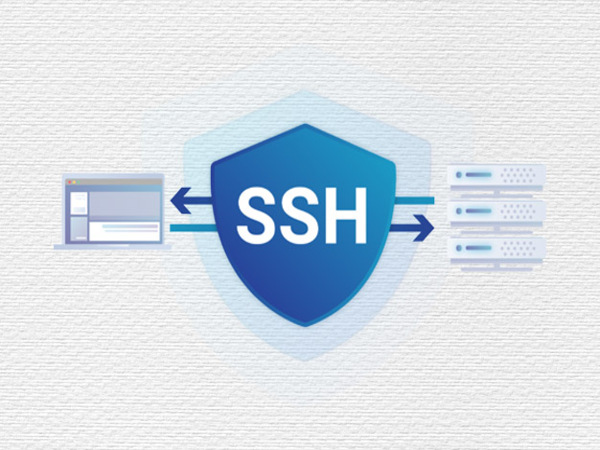
SSH là gì? SSH (Secure Shell) là một giao thức mạng cho phép người dùng thực hiện kết nối bảo mật tới máy chủ hoặc hệ thống máy tính từ xa. Được phát triển để thay thế các giao thức không an toàn như Telnet, SSH mã hóa toàn bộ phiên kết nối, đảm bảo tính bảo mật của dữ liệu được truyền tải.

SSH chủ yếu được sử dụng để quản lý từ xa các hệ thống máy chủ, hỗ trợ thao tác với dòng lệnh, truyền tệp qua SFTP (SSH File Transfer Protocol), và nhiều ứng dụng liên quan đến bảo mật khác. SSH hoạt động thông qua việc xác thực mật khẩu hoặc sử dụng cặp khóa mật mã (public key và private key), đảm bảo rằng chỉ người dùng được ủy quyền mới có thể truy cập vào hệ thống.

SSH có độ bảo mật không?
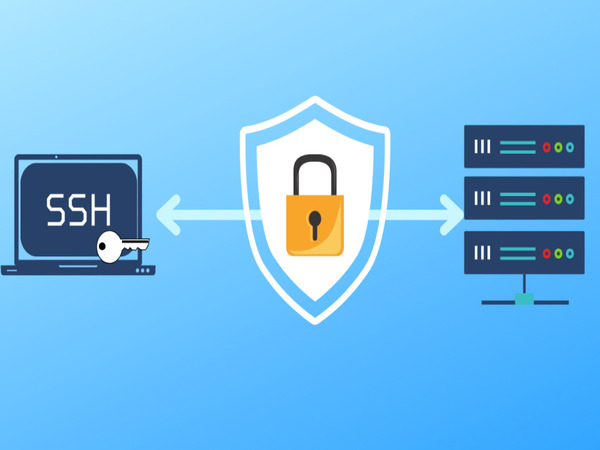
SSH được đánh giá rất cao về độ bảo mật nhờ vào việc mã hóa dữ liệu trong suốt quá trình kết nối. Nó sử dụng các thuật toán mã hóa mạnh như AES (Advanced Encryption Standard) để bảo vệ dữ liệu khỏi việc nghe lén (eavesdropping) hoặc tấn công man-in-the-middle (MITM). Khi sử dụng cặp khóa mật mã để xác thực, SSH loại bỏ nhu cầu sử dụng mật khẩu thông thường, giúp ngăn chặn các cuộc tấn công brute-force hoặc tấn công phishing.

Ngoài ra, SSH còn hỗ trợ xác thực đa yếu tố (MFA – Multi-Factor Authentication), cho phép thêm một lớp bảo mật bằng cách yêu cầu người dùng cung cấp thêm một yếu tố xác thực (ví dụ mã OTP hoặc thông tin sinh trắc học) sau khi nhập mật khẩu hoặc khóa bảo mật.

Các tình huống sử dụng SSH

Tình huống sử dụng SSH là gì? SSH được sử dụng trong nhiều tình huống khác nhau, từ quản lý máy chủ trong các datacenter, truy cập hệ thống từ xa, cho đến mã hóa dữ liệu trong các mạng nội bộ. Dưới đây là một số tình huống phổ biến:

Trong các datacenter

SSH được sử dụng rộng rãi trong các datacenter để quản lý hệ thống máy chủ từ xa. Các quản trị viên hệ thống có thể thực hiện các tác vụ như cài đặt phần mềm, quản lý cấu hình, và theo dõi hoạt động của hệ thống mà không cần trực tiếp có mặt tại datacenter. Sự bảo mật và khả năng truy cập từ xa của SSH giúp tiết kiệm thời gian và công sức, đặc biệt trong việc quản lý các hệ thống lớn.

SSH cũng được dùng để triển khai các tập lệnh (scripts) tự động trong datacenter, cho phép các máy chủ thực hiện các tác vụ định kỳ hoặc phản ứng nhanh với các sự cố.

Kết nối với hệ thống máy chủ
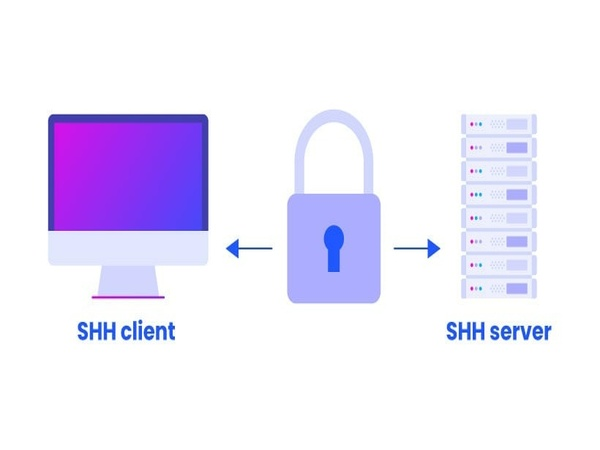
SSH cho phép kết nối và điều khiển hệ thống máy chủ từ xa một cách an toàn. Bất kể bạn đang ở đâu, chỉ cần có kết nối internet và khóa bảo mật phù hợp, bạn có thể truy cập vào máy chủ để thao tác với dòng lệnh, quản lý tệp tin, hoặc thực hiện các tác vụ bảo trì hệ thống. Điều này rất hữu ích cho việc quản lý các hệ thống phân tán trên nhiều quốc gia hoặc khu vực khác nhau.

SSH cũng hỗ trợ việc truyền tải các tệp tin giữa máy chủ và máy khách thông qua SFTP, một biến thể bảo mật của giao thức FTP.

Trong hệ thống đăng nhập một lần (SSO)
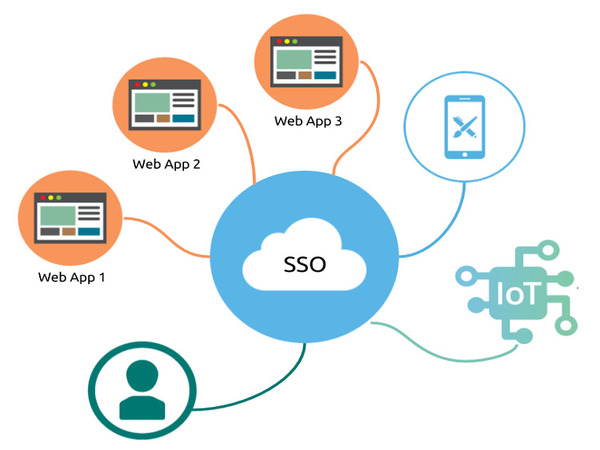
SSH có thể tích hợp với các hệ thống Đăng Nhập Một Lần (SSO – Single Sign-On), cho phép người dùng sử dụng một thông tin đăng nhập duy nhất để truy cập nhiều dịch vụ khác nhau. Điều này không chỉ tăng tính tiện lợi mà còn giảm thiểu nguy cơ rò rỉ mật khẩu. SSO kết hợp với SSH giúp quản trị viên dễ dàng kiểm soát quyền truy cập và quản lý danh tính người dùng.

Ví dụ, trong một tổ chức lớn, người dùng có thể đăng nhập vào hệ thống mạng thông qua SSO và sau đó sử dụng SSH để kết nối với các máy chủ mà không cần phải nhập mật khẩu cho mỗi kết nối.

Mã hóa dữ liệu
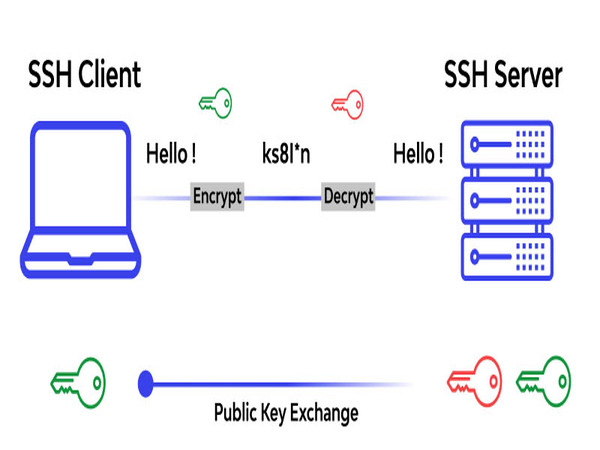
SSH sử dụng các phương pháp mã hóa mạnh mẽ để bảo vệ dữ liệu trong suốt quá trình truyền tải qua mạng. Dữ liệu truyền tải qua kết nối SSH được mã hóa bằng các thuật toán như AES, RSA, hoặc ECC (Elliptic Curve Cryptography). Điều này đảm bảo rằng ngay cả khi dữ liệu bị chặn lại bởi bên thứ ba, nó vẫn không thể được giải mã mà không có khóa tương ứng.

Ngoài việc mã hóa dữ liệu, SSH còn mã hóa cả thông tin đăng nhập, giảm thiểu nguy cơ rò rỉ thông tin nhạy cảm trong quá trình kết nối. Nhờ vào mã hóa, SSH trở thành một công cụ không thể thiếu trong các môi trường yêu cầu tính bảo mật cao, như trong các công ty tài chính hoặc chính phủ.

Xác thực thông tin
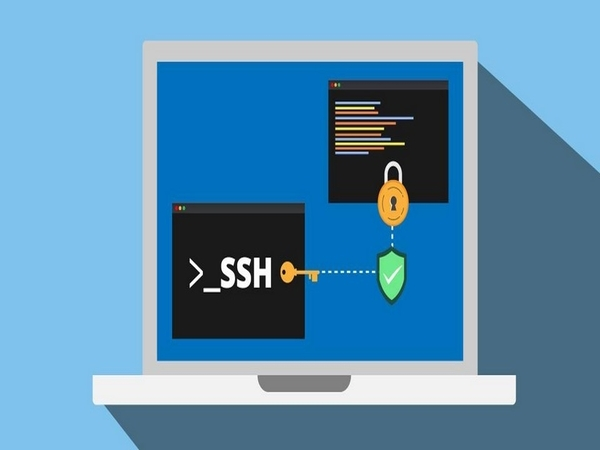
Xác thực trong SSH có thể được thực hiện qua hai phương thức chính: xác thực mật khẩu và xác thực khóa công khai. Phương pháp thứ hai, sử dụng cặp khóa công khai và khóa riêng (public/private key pair), được coi là an toàn hơn và phổ biến hơn trong các môi trường yêu cầu bảo mật cao.

  • Xác thực bằng mật khẩu: Là cách xác thực đơn giản nhất, yêu cầu người dùng nhập mật khẩu để truy cập vào hệ thống.
  • Xác thực bằng khóa công khai: Sử dụng cặp khóa mật mã, trong đó khóa công khai (public key) được lưu trên máy chủ và khóa riêng (private key) được giữ bởi người dùng. Khi kết nối, máy chủ sử dụng khóa công khai để xác thực danh tính của người dùng thông qua khóa riêng mà họ sở hữu.
  • Xác thực đa yếu tố (MFA): SSH có thể kết hợp với MFA, yêu cầu người dùng cung cấp thêm một yếu tố xác thực (như mã xác minh từ ứng dụng MFA hoặc mã OTP) ngoài việc sử dụng mật khẩu hoặc khóa bảo mật.

SSH cung cấp cơ chế xác thực linh hoạt và an toàn, đảm bảo chỉ những người dùng được ủy quyền mới có thể truy cập hệ thống, giảm thiểu nguy cơ xâm nhập trái phép.

Nguyên lý hoạt động của giao thức SSH
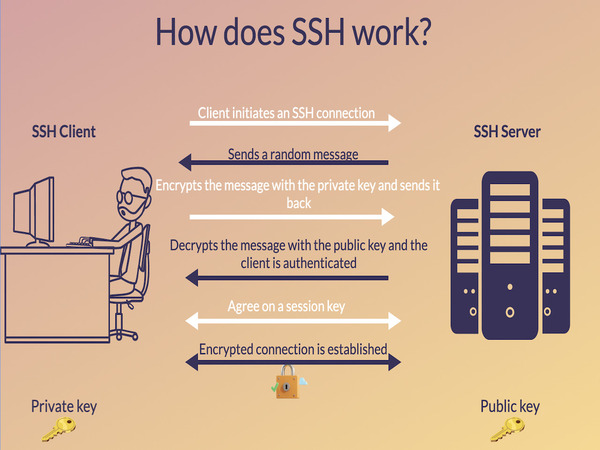
SSH (Secure Shell) hoạt động dựa trên cơ chế mã hóa để bảo vệ dữ liệu truyền tải qua mạng. Khi người dùng thực hiện một kết nối SSH tới máy chủ từ xa, quá trình kết nối diễn ra theo các bước chính sau:

  • Thiết lập kết nối TCP: Ban đầu, máy khách (client) và máy chủ (server) thiết lập một kết nối TCP qua cổng SSH, thông thường là cổng 22. Đây là bước đầu tiên để tạo ra một kênh truyền tải dữ liệu.
  • Trao đổi khóa và xác thực máy chủ: Khi kết nối được thiết lập, cả hai bên thực hiện quá trình trao đổi khóa công khai bằng thuật toán Diffie-Hellman. Điều này đảm bảo rằng mọi dữ liệu trao đổi tiếp theo sẽ được mã hóa và chỉ có các bên tham gia mới có thể giải mã.
  • Xác thực danh tính người dùng: Máy chủ yêu cầu người dùng chứng minh danh tính của mình thông qua việc xác thực bằng mật khẩu, hoặc sử dụng cặp khóa công khai và khóa riêng. Trong trường hợp sử dụng cặp khóa, máy chủ sẽ kiểm tra khóa công khai của người dùng và yêu cầu giải mã thử thách (challenge) bằng khóa riêng.
  • Thiết lập phiên làm việc an toàn: Sau khi xác thực thành công, cả hai bên thiết lập một phiên làm việc được mã hóa, đảm bảo rằng toàn bộ dữ liệu trao đổi, bao gồm lệnh, tệp tin, và dữ liệu người dùng, đều được bảo vệ khỏi các cuộc tấn công nghe lén.

Nguyên lý hoạt động của SSH đảm bảo rằng bất kỳ kết nối nào cũng được mã hóa từ đầu đến cuối, bảo vệ tính bảo mật và toàn vẹn của dữ liệu.

Các chức năng chính của SSH
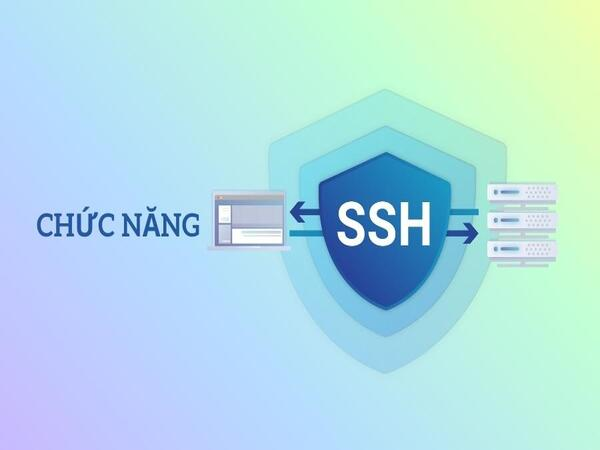
SSH không chỉ là một giao thức mạng, mà còn cung cấp nhiều chức năng quan trọng cho việc quản lý và bảo mật các hệ thống máy chủ. Dưới đây là một số chức năng chính của SSH:

  • Kết nối từ xa bảo mật: SSH cho phép người dùng truy cập vào hệ thống từ xa qua giao diện dòng lệnh một cách bảo mật. Người dùng có thể thao tác trực tiếp với các tệp tin, chạy các lệnh, và quản lý hệ thống từ xa.

  • Chuyển tập tin bảo mật (SFTP/ SCP): SSH cung cấp các giao thức truyền tệp bảo mật như SFTP (Secure File Transfer Protocol) và SCP (Secure Copy). Điều này giúp việc chuyển dữ liệu giữa máy khách và máy chủ diễn ra an toàn mà không lo ngại về việc rò rỉ thông tin.

  • Chạy các ứng dụng từ xa: SSH có thể được sử dụng để chạy các ứng dụng từ xa trên hệ thống máy chủ mà không cần phải có giao diện đồ họa. Ví dụ, quản trị viên có thể khởi động và quản lý dịch vụ hoặc ứng dụng web từ xa qua SSH.

  • Tunneling và Port Forwarding: SSH hỗ trợ kỹ thuật tunneling (đường hầm) và port forwarding, cho phép chuyển hướng lưu lượng mạng thông qua một kênh an toàn. Điều này đặc biệt hữu ích khi muốn bảo vệ dữ liệu truyền tải trên các kênh không bảo mật.

  • Quản lý nhiều phiên làm việc: SSH hỗ trợ việc mở nhiều phiên làm việc đồng thời trên cùng một kết nối. Điều này giúp quản trị viên có thể thực hiện nhiều tác vụ quản lý cùng lúc mà không cần phải thiết lập kết nối mới mỗi lần.

  • Xác thực hai yếu tố (MFA): SSH có thể được tích hợp với hệ thống xác thực hai yếu tố (MFA), yêu cầu người dùng cung cấp thêm một yếu tố xác thực ngoài mật khẩu hoặc khóa công khai.

Lợi ích của việc sử dụng SSH
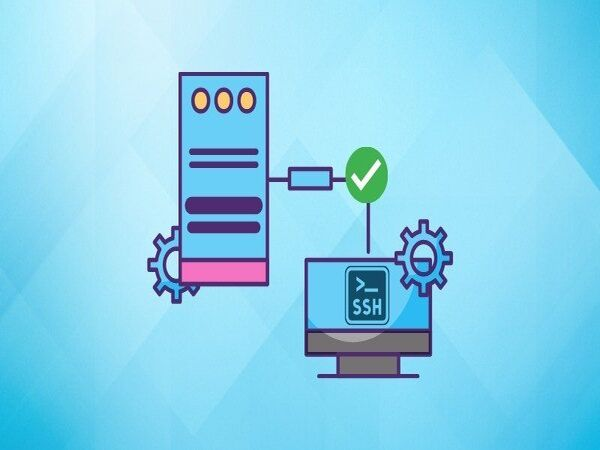
Lợi ích của SSH là gì? Việc sử dụng SSH mang lại nhiều lợi ích thiết thực cho các doanh nghiệp, tổ chức và cá nhân, đặc biệt là trong các hoạt động quản lý và bảo mật hệ thống. Dưới đây là những lợi ích chính:

  • Bảo mật dữ liệu tuyệt đối: SSH mã hóa toàn bộ dữ liệu được truyền qua mạng, đảm bảo rằng thông tin không bị rò rỉ hoặc xâm nhập bởi các bên thứ ba. Điều này rất quan trọng khi quản lý các hệ thống quan trọng, chẳng hạn như trong các môi trường doanh nghiệp hoặc chính phủ.

  • Quản lý hệ thống từ xa một cách an toàn: SSH cho phép quản trị viên và người dùng truy cập vào hệ thống từ xa mà không cần phải có mặt tại nơi cài đặt máy chủ. Điều này tiết kiệm thời gian, công sức và giúp người quản trị có thể xử lý các vấn đề nhanh chóng từ bất kỳ đâu.

  • Dễ dàng triển khai và sử dụng: SSH là một công cụ mạnh mẽ nhưng dễ sử dụng, giúp người dùng nhanh chóng thiết lập và quản lý kết nối bảo mật. Hầu hết các hệ điều hành Linux, Unix, và macOS đều tích hợp sẵn SSH, giúp việc triển khai và sử dụng rất thuận tiện.

  • Khả năng mở rộng và linh hoạt: SSH có thể được tùy chỉnh và mở rộng với nhiều tính năng khác nhau như tunneling, port forwarding, và proxying. Điều này làm cho SSH trở thành một công cụ linh hoạt để quản lý các mạng và hệ thống phức tạp.

  • Hỗ trợ đa nền tảng: SSH có thể hoạt động trên nhiều hệ điều hành khác nhau, bao gồm Linux, macOS, và Windows, giúp nó trở thành một giao thức tiêu chuẩn trong việc quản lý hệ thống từ xa trên các môi trường đa dạng.

  • An toàn với phương thức xác thực khóa công khai: Xác thực bằng cặp khóa công khai và khóa riêng mang lại mức độ an toàn cao hơn so với việc sử dụng mật khẩu thông thường. Điều này giúp giảm thiểu nguy cơ bị tấn công brute-force hoặc các cuộc tấn công qua mạng khác.

  • Tiết kiệm chi phí và nguồn lực: Nhờ khả năng quản lý từ xa và bảo mật cao, SSH giúp các tổ chức tiết kiệm được nhiều chi phí và nguồn lực cho việc bảo trì hệ thống, triển khai và giám sát mạng.

SSH không chỉ là một giao thức bảo mật mạnh mẽ mà còn là một công cụ quản lý hệ thống hiệu quả, giúp bảo vệ dữ liệu và đảm bảo hiệu suất hoạt động của hệ thống trong các môi trường phức tạp.

Các phương pháp mã hóa trong SSH

Phương pháp mã hóa trong SSH là gì? SSH (Secure Shell) sử dụng ba phương pháp mã hóa chính để đảm bảo tính bảo mật và toàn vẹn của dữ liệu truyền tải giữa máy khách và máy chủ: mã hóa đối xứng (Symmetric Encryption), mã hóa bất đối xứng (Asymmetric Encryption), và mã hóa băm (Hashing).

Cả ba phương pháp này đều có vai trò quan trọng trong việc đảm bảo rằng dữ liệu trao đổi qua mạng được bảo vệ khỏi các cuộc tấn công mạng, bao gồm nghe lén và giả mạo.

Mã hóa Symmetric Encryption
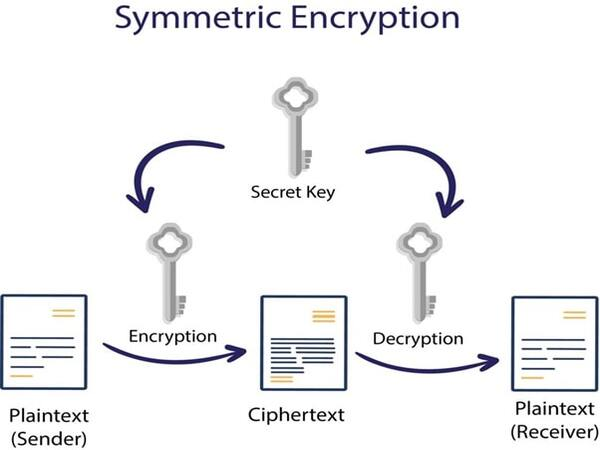
Mã hóa đối xứng là phương pháp sử dụng một khóa duy nhất cho cả quá trình mã hóa và giải mã dữ liệu. Điều này có nghĩa là máy khách và máy chủ phải chia sẻ cùng một khóa bí mật. Trong SSH, mã hóa đối xứng được sử dụng sau khi kết nối an toàn đã được thiết lập. Các thuật toán mã hóa đối xứng phổ biến trong SSH bao gồm AES (Advanced Encryption Standard), 3DES (Triple Data Encryption Standard) và Blowfish.

Ưu điểm chính của mã hóa đối xứng là tốc độ xử lý nhanh, do chỉ sử dụng một khóa cho cả hai quá trình mã hóa và giải mã. Tuy nhiên, việc trao đổi khóa an toàn giữa các bên trước khi sử dụng mã hóa đối xứng là một thách thức.

Mã hóa Asymmetric Encryption
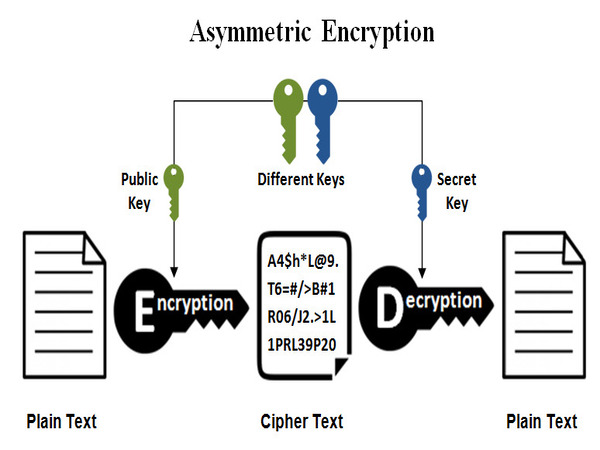
Mã hóa bất đối xứng sử dụng hai khóa khác nhau: một khóa công khai (public key) và một khóa riêng (private key). Máy chủ SSH thường sử dụng mã hóa bất đối xứng để trao đổi khóa đối xứng an toàn với máy khách. Trong quá trình này, máy khách sẽ mã hóa dữ liệu bằng khóa công khai của máy chủ, và chỉ máy chủ với khóa riêng tư mới có thể giải mã dữ liệu này.

Các thuật toán mã hóa bất đối xứng phổ biến bao gồm RSA (Rivest-Shamir-Adleman) và ECDSA (Elliptic Curve Digital Signature Algorithm). Dù mã hóa bất đối xứng cung cấp tính bảo mật cao hơn, nhưng tốc độ xử lý chậm hơn so với mã hóa đối xứng. Vì thế, SSH chỉ sử dụng mã hóa bất đối xứng trong giai đoạn trao đổi khóa ban đầu.

Mã hóa Hashing
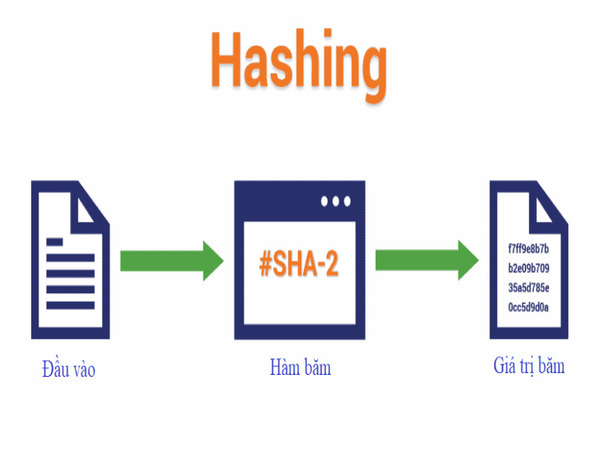
Mã hóa băm là phương pháp tạo ra một chuỗi ký tự có độ dài cố định từ một dữ liệu đầu vào bất kỳ, được gọi là hash. Mục đích của hashing trong SSH là đảm bảo tính toàn vẹn của dữ liệu, bằng cách kiểm tra xem dữ liệu có bị thay đổi trong quá trình truyền tải hay không.

SSH sử dụng các thuật toán băm như SHA (Secure Hash Algorithm) và MD5 (Message Digest 5) để tạo ra mã băm từ dữ liệu. Khi dữ liệu được truyền tải giữa máy khách và máy chủ, cả hai bên sẽ so sánh mã băm để đảm bảo rằng dữ liệu không bị giả mạo hoặc sửa đổi.

Quy trình thiết lập và xử lý mã hóa trong SSH
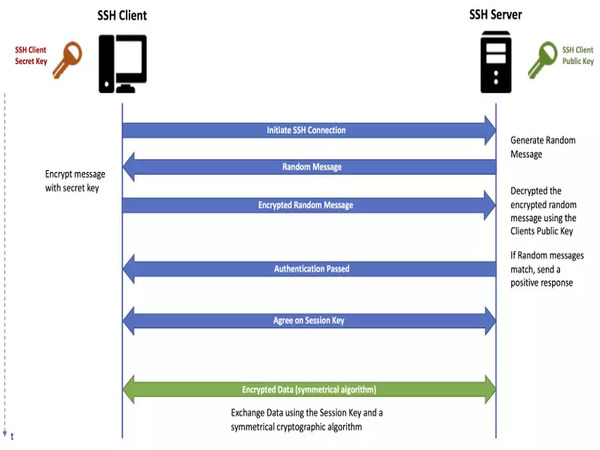
Quá trình thiết lập mã hóa trong SSH diễn ra theo nhiều giai đoạn, từ việc định danh máy chủ đến chứng thực người dùng. Dưới đây là quy trình chi tiết từng giai đoạn.

Giai đoạn định danh host

Khi một kết nối SSH mới được thiết lập, máy chủ sẽ gửi khóa công khai của mình đến máy khách để xác định danh tính. Máy khách sẽ kiểm tra xem khóa công khai của máy chủ có khớp với bản sao lưu trữ trước đó hay không. Nếu khóa này không khớp hoặc không tồn tại, máy khách sẽ cảnh báo người dùng về khả năng kết nối với máy chủ giả mạo.

Giai đoạn định danh này giúp ngăn chặn các cuộc tấn công trung gian (man-in-the-middle attack) bằng cách đảm bảo rằng máy khách đang kết nối với đúng máy chủ mà họ mong muốn.

Giai đoạn Session Encryption Negotiation

Sau khi quá trình định danh hoàn tất, máy khách và máy chủ sẽ tiến hành đàm phán mã hóa phiên làm việc (session encryption negotiation). Cả hai bên sẽ thỏa thuận về thuật toán mã hóa đối xứng sẽ được sử dụng trong suốt phiên làm việc. Quá trình này sử dụng mã hóa bất đối xứng để trao đổi khóa đối xứng một cách an toàn.

Oracle là gì? Hướng dẫn cơ bản về hệ thống Oracle Database

Việc chọn lựa thuật toán mã hóa phụ thuộc vào khả năng hỗ trợ của cả hai bên và mức độ bảo mật mong muốn. Sau khi khóa đối xứng được trao đổi, toàn bộ dữ liệu truyền tải trong phiên SSH sẽ được mã hóa bằng khóa này.

Giai đoạn chứng thực của người dùng

Cuối cùng, sau khi thiết lập kênh truyền an toàn, máy chủ sẽ yêu cầu máy khách chứng thực danh tính của người dùng. SSH hỗ trợ nhiều phương pháp chứng thực khác nhau, bao gồm:

  • Mật khẩu (Password Authentication): Người dùng nhập mật khẩu để chứng minh danh tính. Tuy nhiên, phương pháp này ít an toàn hơn so với sử dụng khóa công khai.
  • Khóa công khai (Public Key Authentication): Máy khách gửi khóa công khai đến máy chủ, và máy chủ sẽ yêu cầu máy khách sử dụng khóa riêng tư để giải mã một thử thách. Phương pháp này bảo mật hơn vì chỉ người dùng có khóa riêng tư mới có thể chứng thực.

Sau khi người dùng được xác thực, kết nối SSH hoàn tất và người dùng có thể bắt đầu thao tác trên máy chủ từ xa một cách an toàn.

Hướng dẫn kết nối SSH với Server Linux
SSH (Secure Shell) là giao thức tiêu chuẩn để kết nối và quản lý từ xa các máy chủ Linux một cách an toàn. Để kết nối SSH với Server Linux, bạn cần thực hiện một số bước cơ bản sau:

Cấu hình Server Linux để chấp nhận kết nối

Trước khi kết nối SSH, Server Linux phải được cấu hình để chấp nhận các kết nối SSH từ xa. Điều này bao gồm các bước sau:

  • Cài đặt OpenSSH Server: Đầu tiên, cần đảm bảo rằng máy chủ đã cài đặt dịch vụ OpenSSH. Sử dụng lệnh sau để cài đặt "sudo apt-get install openssh-server". Đối với các bản phân phối khác, sử dụng lệnh tương tự phù hợp với hệ thống quản lý gói của chúng.
  • Kiểm tra trạng thái dịch vụ SSH: Đảm bảo dịch vụ SSH đang hoạt động bằng cách kiểm tra với lệnh "sudo systemctl status ssh". Nếu chưa hoạt động, bạn có thể khởi động dịch vụ với lệnh "sudo systemctl start ssh".
  • Cấu hình tệp cấu hình SSH: Bạn có thể tùy chỉnh các tùy chọn như cổng, quyền truy cập trong tệp cấu hình SSH với lệnh sau "sudo nano /etc/ssh/sshd_config". Sau khi thay đổi các thiết lập, khởi động lại dịch vụ SSH bằng câu lệnh "sudo systemctl restart ssh".

Cài đặt và cấu hình SSH cho Server

Sau khi cài đặt OpenSSH Server trên máy chủ Linux, bạn có thể cấu hình thêm để tăng cường bảo mật:

  • Đổi cổng mặc định: Theo mặc định, SSH sử dụng cổng 22. Để tránh các cuộc tấn công brute-force, bạn có thể đổi cổng này trong tệp /etc/ssh/sshd_config: "Port 2200".
  • Cấm đăng nhập root: Để bảo mật hơn, bạn nên vô hiệu hóa đăng nhập root từ xa bằng cách chỉnh dòng sau trong tệp cấu hình SSH "PermitRootLogin no".
  • Sử dụng khóa công khai: Để tránh việc sử dụng mật khẩu, bạn có thể bật tính năng xác thực bằng khóa công khai. Sao chép khóa công khai của máy khách vào tệp ~/.ssh/authorized_keys trên máy chủ.

Hướng dẫn kết nối SSH trên Windows
Trên Windows, bạn có thể kết nối SSH thông qua công cụ dòng lệnh hoặc các ứng dụng bên ngoài như PuTTY. Nếu sử dụng Windows 10 trở lên, bạn có thể dùng trực tiếp lệnh SSH từ Command Prompt hoặc PowerShell:

  • Mở Command Prompt hoặc PowerShell.
  • Sử dụng lệnh SSH: "ssh user@server_ip" và nhập mật khẩu và kết nối với máy chủ Linux.

Ngoài ra, với phiên bản Windows 10 mới nhất, bạn cũng có thể cài đặt Windows Subsystem for Linux (WSL) để sử dụng các công cụ như ssh từ Linux ngay trên môi trường Windows.

SSH PuTTY

PuTTY là một phần mềm miễn phí, phổ biến nhất để kết nối SSH từ các hệ điều hành Windows. PuTTY hỗ trợ nhiều giao thức kết nối khác nhau, bao gồm SSH, Telnet, và SCP. Để sử dụng PuTTY:

  • Tải về và cài đặt PuTTY từ trang chính thức.
  • Mở PuTTY và nhập địa chỉ IP của máy chủ, cổng SSH (thường là 22).
  • Nhấp Open để mở kết nối và nhập thông tin xác thực.

PuTTY cung cấp giao diện đồ họa dễ sử dụng và hỗ trợ lưu trữ cấu hình kết nối, giúp người dùng dễ dàng quản lý nhiều kết nối SSH.

ZOC7 Terminal

ZOC7 Terminal là một phần mềm trả phí, được thiết kế cho các quản trị viên hệ thống và người dùng cần kết nối từ xa qua SSH, Telnet, và nhiều giao thức khác. ZOC7 được biết đến với giao diện đẹp mắt, khả năng tùy biến cao và hỗ trợ mạnh mẽ cho nhiều loại hệ thống khác nhau.

  • Hỗ trợ giao thức đa dạng: ZOC7 hỗ trợ SSH, Telnet, Rlogin, và SCP, giúp kết nối tới nhiều loại máy chủ khác nhau.
  • Quản lý phiên làm việc: Bạn có thể mở nhiều phiên SSH trong cùng một cửa sổ, và dễ dàng chuyển đổi giữa chúng.
  • Tích hợp mạnh mẽ: ZOC7 cho phép tùy chỉnh giao diện và các phím tắt, giúp tăng hiệu quả công việc. Dù ZOC7 có phí bản quyền, nhưng với các tính năng vượt trội và hỗ trợ nhiều giao thức, đây là một lựa chọn phổ biến cho các chuyên gia IT và quản trị viên hệ thống.
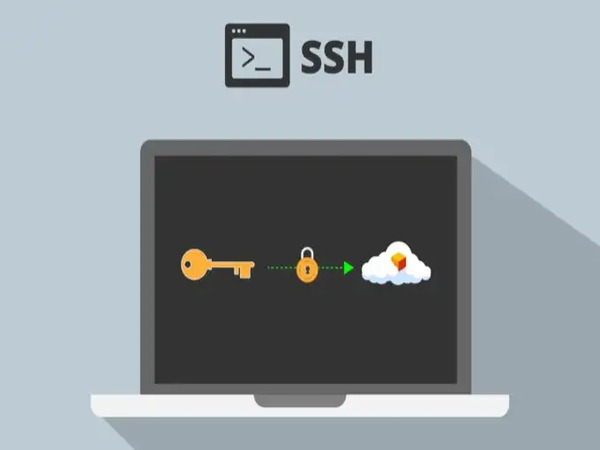
Trên Linux và MacOS, kết nối SSH rất dễ dàng vì cả hai hệ điều hành đều được tích hợp sẵn công cụ SSH Client trong terminal. Dưới đây là các bước chi tiết để kết nối SSH:

  • Mở Terminal: Linux và MacOS đều có ứng dụng Terminal được cài sẵn. Để mở terminal:
    • Trên Linux, bạn có thể tìm và mở Terminal từ menu ứng dụng hoặc nhấn tổ hợp phím Ctrl + Alt + T.
    • Trên MacOS, nhấn Command + Space để mở Spotlight và tìm kiếm Terminal.
  • Sử dụng lệnh SSH: Cú pháp lệnh SSH ssh username@server_ip
  • username: Tên người dùng trên máy chủ từ xa.
  • server_ip: Địa chỉ IP hoặc tên miền của máy chủ từ xa.
  • Xác thực kết nối: Sau khi nhập lệnh SSH, hệ thống sẽ yêu cầu bạn nhập mật khẩu của tài khoản từ xa. Nếu đây là lần đầu tiên bạn kết nối với máy chủ, bạn sẽ nhận được cảnh báo về việc máy tính không nhận diện được máy chủ từ xa. Gõ yes để tiếp tục.
  • Sử dụng khóa SSH để đăng nhập: Nếu bạn không muốn nhập mật khẩu mỗi lần kết nối, bạn có thể sử dụng khóa SSH:
    • Tạo khóa SSH (nếu chưa có): Sử dụng câu lệnh "ssh-keygen -t rsa". Khóa này sẽ được lưu trong thư mục ~/.ssh/id_rsa.pub trên máy tính của bạn.
  • Sao chép khóa công khai lên máy chủ: "ssh-copy-id username@server_ip"
  • Kết nối với máy chủ sử dụng cổng tùy chỉnh: Nếu máy chủ sử dụng cổng SSH khác ngoài cổng mặc định 22, bạn có thể sử dụng tùy chọn -p để chỉ định cổng với câu lệnh "ssh -p custom_port username@server_ip"
  • Ngắt kết nối: Khi bạn đã hoàn thành công việc, bạn có thể ngắt kết nối SSH bằng cách gõ lệnh "exit" hoặc nhấn Ctrl + D để đóng phiên làm việc.

Sử dụng SSH trên Linux và MacOS đều khá đơn giản và mạnh mẽ, cho phép bạn quản lý từ xa các máy chủ một cách bảo mật. Sự tích hợp sẵn của SSH Client trên Linux và MacOS giúp cho việc kết nối SSH trở nên tiện lợi cho người dùng ở mọi hệ điều hành.

Thêm Public Key vào Server
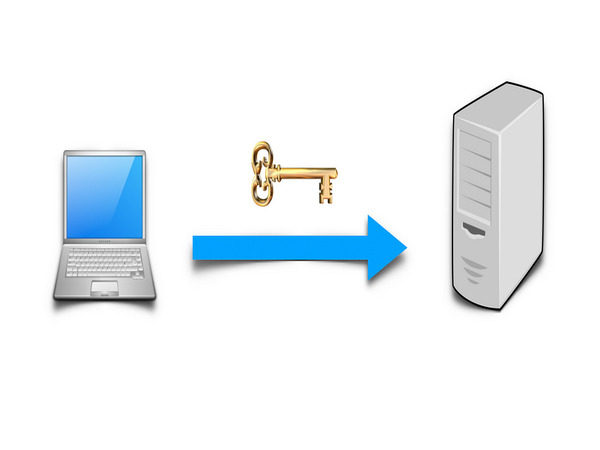
Thêm Public Key vào máy chủ là một bước quan trọng trong việc thiết lập kết nối SSH an toàn mà không cần nhập mật khẩu mỗi lần. Dưới đây là quy trình chi tiết để thực hiện việc này:

  • Tạo cặp khóa SSH: Nếu bạn chưa tạo cặp khóa SSH, hãy mở terminal và nhập lệnh sau "ssh-keygen -t rsa". Lệnh này sẽ tạo một cặp khóa, bao gồm khóa riêng (private key) và khóa công khai (public key). Khóa công khai thường được lưu trong ~/.ssh/id_rsa.pub.
  • Sao chép Public Key lên Server: Bạn có thể sử dụng lệnh ssh-copy-id để tự động sao chép khóa công khai lên máy chủ. Cú pháp như sau "ssh-copy-id username@server_ip"
  • Xác minh kết nối: Sau khi thêm khóa công khai, bạn có thể thử kết nối đến máy chủ mà không cần nhập mật khẩu với câu lệnh "ssh username@server_ip". Nếu mọi thứ đã được thiết lập đúng, bạn sẽ được kết nối mà không cần nhập mật khẩu.

So sánh SSH với SSL/TLS và Telnet

Trong thế giới mạng hiện đại, vấn đề bảo mật thông tin là một ưu tiên hàng đầu. Ba giao thức phổ biến hiện nay là SSH, SSL/TLS và Telnet đóng vai trò quan trọng trong việc thiết lập kết nối và truyền tải dữ liệu giữa các thiết bị mạng. Mỗi giao thức này có những đặc điểm và mục đích sử dụng riêng, tạo nên một bức tranh đa dạng về cách thức bảo vệ thông tin trong môi trường số.

So sánh SSH và SSL/TLS
SSH (Secure Shell) và SSL/TLS (Secure Sockets Layer/Transport Layer Security) là hai giao thức bảo mật khác nhau được sử dụng trong việc bảo vệ dữ liệu truyền tải trên mạng, nhưng chúng phục vụ các mục đích khác nhau.

Tiêu chí SSH SSL/TLS
Mục đích sử dụng Truy cập từ xa an toàn, quản trị hệ thống, truyền tệp Bảo mật kết nối web (HTTPS), bảo mật truyền tải dữ liệu giữa máy khách và máy chủ
Cơ chế hoạt động Sử dụng cặp khóa công khai và riêng tư để mã hóa dữ liệu Sử dụng chứng chỉ số và quá trình bắt tay (handshake) để thiết lập kênh mã hóa
Giao thức liên quan SCP, SFTP, Tunneling HTTPS, SMTPS, FTPS
Bảo mật Mã hóa mạnh, hỗ trợ xác thực hai yếu tố Mã hóa với các thuật toán mạnh, xác thực bằng chứng chỉ số
Xác thực Dựa trên mật khẩu, cặp khóa công khai/riêng tư Dựa trên chứng chỉ số và quá trình bắt tay
Ứng dụng phổ biến Quản trị hệ thống, quản lý máy chủ từ xa, truyền tệp Bảo mật truyền tải dữ liệu trên web, giao dịch thương mại điện tử
Hiệu suất Cao, ít tiêu tốn tài nguyên Hiệu suất thấp hơn do quá trình bắt tay và mã hóa phức tạp
Độ phức tạp cài đặt Cài đặt đơn giản, yêu cầu cấu hình khóa Cần chứng chỉ số, cấu hình phức tạp hơn
Cơ chế mã hóa Mã hóa phiên sử dụng các thuật toán như AES, RSA Mã hóa phiên sử dụng các thuật toán như AES, RSA, SHA
Tính năng mở rộng Port forwarding, tunneling, truyền tệp Bảo mật kết nối web, email, VPN

CNAME là gì? Tìm hiểu về bản ghi CNAME và vai trò của nó

Kết luận, cả SSH và SSL/TLS đều là công cụ mạnh mẽ trong việc bảo vệ thông tin truyền tải qua mạng, nhưng mỗi giao thức có những ưu điểm riêng phù hợp với các tình huống sử dụng khác nhau. SSH nổi bật trong việc quản lý từ xa an toàn và truyền file bảo mật, trong khi SSL/TLS là nền tảng cho bảo mật web và ứng dụng client-server.

So sánh SSH và Telnet
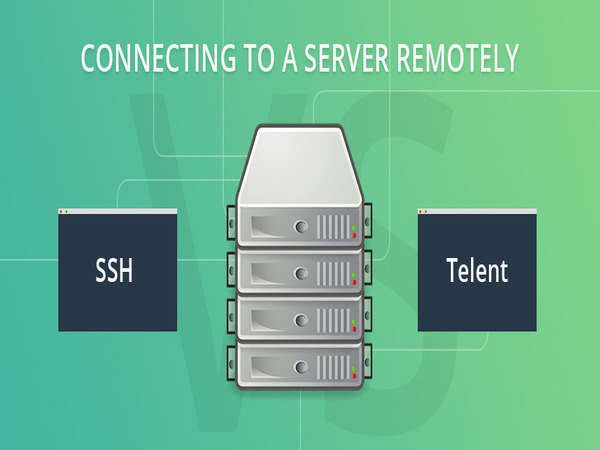
SSH và Telnet đều là các giao thức được sử dụng để truy cập từ xa vào các thiết bị mạng và máy chủ, nhưng có những khác biệt lớn về tính bảo mật và chức năng. Dưới đây là bảng so sánh chi tiết giữa SSH và Telnet.

Tiêu chí SSH (Secure Shell) Telnet
Mục đích sử dụng Truy cập từ xa an toàn, quản trị hệ thống, truyền tệp Truy cập từ xa vào thiết bị mạng và máy chủ
Cơ chế hoạt động Mã hóa toàn bộ dữ liệu truyền tải bằng cặp khóa công khai và riêng tư Truyền tải dữ liệu dưới dạng văn bản thuần túy (plaintext), không mã hóa
Bảo mật Mã hóa mạnh, chống lại tấn công nghe lén và man-in-the-middle Không có mã hóa, dễ bị tấn công nghe lén và man-in-the-middle
Xác thực Sử dụng mật khẩu, cặp khóa công khai/riêng tư hoặc xác thực hai yếu tố Chỉ sử dụng mật khẩu, không có mã hóa bảo vệ
Ứng dụng phổ biến Quản trị hệ thống, quản lý máy chủ từ xa, truyền tệp an toàn Quản lý thiết bị mạng, quản trị hệ thống trong mạng nội bộ (LAN)
Hiệu suất Tiêu tốn tài nguyên hơn do cơ chế mã hóa Hiệu suất cao hơn do không có mã hóa
Độ phức tạp cài đặt Yêu cầu cấu hình cặp khóa và các tùy chỉnh bảo mật Cài đặt đơn giản, không yêu cầu cấu hình bảo mật
Cơ chế mã hóa Mã hóa toàn bộ phiên bằng các thuật toán như AES, RSA Không có mã hóa, tất cả dữ liệu truyền tải đều ở dạng văn bản thuần túy
Tính năng mở rộng Port forwarding, tunneling, truyền tệp bảo mật Không hỗ trợ các tính năng mở rộng
Khả năng sử dụng trên mạng công cộng An toàn khi sử dụng trên mạng công cộng Không an toàn, dễ bị tấn công nếu sử dụng trên mạng công cộng

Tóm lại, sự so sánh giữa SSH và Telnet cho thấy rõ sự tiến hóa trong công nghệ bảo mật mạng. Việc chuyển đổi từ Telnet sang SSH là một bước đi cần thiết cho bất kỳ tổ chức nào muốn nâng cao bảo mật của mình trong môi trường mạng phức tạp như hiện nay.

Một số vấn đề bảo mật liên quan đến SSH
Vấn đề bảo mật liên quan đến SSH là gì? SSH (Secure Shell) là một giao thức được sử dụng rộng rãi để đảm bảo kết nối an toàn giữa máy khách và máy chủ trong quá trình truy cập từ xa. Tuy nhiên, dù có tính bảo mật cao, SSH vẫn đối mặt với một số vấn đề bảo mật tiềm ẩn nếu không được cấu hình và quản lý đúng cách.

  • Tấn công Brute Force: Tấn công brute force xảy ra khi hacker cố gắng đăng nhập vào hệ thống bằng cách thử nhiều kết hợp tên đăng nhập và mật khẩu cho đến khi tìm được cặp thông tin đúng. Nếu SSH không được cấu hình với xác thực mạnh hoặc không sử dụng giới hạn đăng nhập, hệ thống có thể dễ dàng bị tấn công. Giải pháp là sử dụng xác thực bằng khóa công khai thay vì mật khẩu và cấu hình tường lửa hoặc công cụ bảo mật như Fail2Ban để ngăn chặn các địa chỉ IP có hành vi đăng nhập đáng ngờ.
  • Lỗ hổng phần mềm SSH: Các phiên bản SSH cũ có thể chứa những lỗ hổng bảo mật mà tin tặc có thể lợi dụng để thực hiện các cuộc tấn công như khai thác từ xa hoặc tấn công leo thang đặc quyền. Việc không cập nhật phiên bản mới nhất của OpenSSH hoặc các triển khai khác của SSH sẽ khiến hệ thống dễ bị tổn thương. Do đó, quản trị viên cần theo dõi và cập nhật phần mềm SSH thường xuyên để đảm bảo rằng tất cả các lỗ hổng bảo mật đã được vá.
  • Xác thực bằng mật khẩu yếu: Sử dụng mật khẩu yếu hoặc không đặt giới hạn độ dài, ký tự đặc biệt cho mật khẩu sẽ khiến hệ thống dễ bị tấn công brute force. Để khắc phục, quản trị viên nên cấu hình xác thực bằng khóa công khai (public key authentication) thay vì mật khẩu, đồng thời vô hiệu hóa đăng nhập bằng tài khoản root để giảm thiểu nguy cơ bị tấn công.
  • Tấn công Man-in-the-Middle (MitM): Trong một số trường hợp, nếu máy khách không xác thực đúng máy chủ, tin tặc có thể giả mạo máy chủ và đọc hoặc thay đổi thông tin truyền tải giữa máy khách và máy chủ. Điều này đặc biệt nguy hiểm khi SSH được sử dụng qua các mạng công cộng hoặc không tin cậy. Để tránh tấn công MitM, cần phải đảm bảo rằng máy khách chỉ kết nối với các máy chủ đã biết thông qua việc xác thực dấu vân tay (fingerprint) của máy chủ.
  • Lạm dụng SSH Tunneling: SSH tunneling cho phép truyền tải dữ liệu một cách bảo mật, nhưng nếu không được kiểm soát đúng cách, nó có thể bị lạm dụng để vượt qua các chính sách tường lửa hoặc để tạo ra các đường hầm truyền tải dữ liệu không được giám sát. Điều này có thể dẫn đến rủi ro bảo mật cao khi dữ liệu nhạy cảm bị rò rỉ ra ngoài. Để ngăn chặn, cần giám sát và kiểm soát chặt chẽ việc sử dụng SSH tunneling và chỉ cho phép các kết nối từ những địa chỉ IP đáng tin cậy.
  • Sử dụng cặp khóa không an toàn: Nếu khóa riêng tư (private key) bị đánh cắp hoặc sử dụng khóa công khai và riêng tư yếu, kẻ tấn công có thể dễ dàng xâm nhập vào hệ thống. Để bảo vệ, cần sử dụng các cặp khóa mạnh với độ dài tối thiểu 2048-bit và cấu hình passphrase để bảo vệ khóa riêng tư.
  • Quản lý người dùng không hiệu quả: Nếu không quản lý hiệu quả quyền truy cập của người dùng, đặc biệt là với các tài khoản root, hệ thống SSH dễ trở thành mục tiêu cho các cuộc tấn công. Nên sử dụng các chính sách quản lý quyền truy cập, kiểm tra nhật ký đăng nhập (login logs), và cấu hình tài khoản với quyền hạn tối thiểu cần thiết.
  • Cấu hình sai hệ thống SSH: Các lỗi cấu hình như mở cổng SSH mặc định (22) hoặc cho phép xác thực bằng mật khẩu, cho phép đăng nhập root trực tiếp sẽ làm tăng rủi ro bảo mật. Nên thay đổi cổng mặc định, cấu hình tường lửa, và vô hiệu hóa đăng nhập root để giảm thiểu nguy cơ bị tấn công. Nhìn chung, để đảm bảo an toàn cho hệ thống SSH, quản trị viên cần thường xuyên kiểm tra và cập nhật cấu hình bảo mật, đồng thời áp dụng các biện pháp xác thực và giám sát mạnh mẽ để ngăn chặn các mối đe dọa tiềm ẩn.

{{< test-result title="So sánh phương thức xác thực SSH" columns="Phương thức | Bảo mật | Tiện lợi | Chống Brute-force | Phù hợp" rows="Password | Trung bình | Cao | Thấp | Môi trường test;Public Key (RSA 4096) | Cao | Cao | Rất cao | Production server;Public Key (Ed25519) | Rất cao | Cao | Rất cao | Production server (khuyên dùng);Password + MFA (TOTP) | Cao | Trung bình | Cao | Server nhạy cảm;Certificate-based | Rất cao | Trung bình | Rất cao | Enterprise / nhiều server" />}}

Khuyến nghị bảo mật SSH

Luôn sử dụng xác thực khóa công khai Ed25519 thay vì mật khẩu, đổi cổng mặc định 22, và cài Fail2Ban để chặn brute-force. Vô hiệu hóa đăng nhập root trực tiếp trong /etc/ssh/sshd_config.

Kết luận: Hiểu rõ cách thức hoạt động của SSH và áp dụng đúng cách sẽ giúp bạn nâng cao mức độ an toàn cho hệ thống. SSH không chỉ mã hóa toàn bộ phiên kết nối mà còn cung cấp xác thực mạnh mẽ, tunneling và truyền file bảo mật — là công cụ không thể thiếu cho mọi quản trị viên hệ thống.

Nguồn tham khảo
  1. OpenSSH Documentation — Tài liệu chính thức của OpenSSH
  2. SSH Protocol Architecture — RFC 4251 — Đặc tả kiến trúc giao thức SSH
  3. DigitalOcean — SSH Essentials — Hướng dẫn thực hành SSH
  4. Cloudflare — What is SSH? — Giải thích SSH cho người mới
  5. NIST SP 800-123 — Server Security Guide — Hướng dẫn bảo mật máy chủ từ NIST

Câu hỏi thường gặpQ&A
SSH là gì?
SSH (Secure Shell) là giao thức mạng mã hóa cho phép kết nối bảo mật tới máy chủ từ xa. SSH mã hóa toàn bộ phiên kết nối, hỗ trợ quản lý hệ thống, truyền file qua SFTP và tunneling.
SSH sử dụng cổng nào?
SSH mặc định sử dụng cổng 22. Để tăng bảo mật, quản trị viên thường đổi sang cổng khác (ví dụ 2200) trong file cấu hình /etc/ssh/sshd_config.
SSH khác Telnet như thế nào?
SSH mã hóa toàn bộ dữ liệu truyền tải, hỗ trợ xác thực khóa công khai và tunneling. Telnet truyền dữ liệu dạng plaintext không mã hóa, dễ bị nghe lén và tấn công.
Xác thực SSH bằng khóa công khai hoạt động ra sao?
Người dùng tạo cặp khóa (public/private). Khóa công khai lưu trên server, khóa riêng giữ ở máy client. Khi kết nối, server gửi thử thách mã hóa và chỉ khóa riêng đúng mới giải mã được.
Làm sao kết nối SSH từ Windows?
Windows 10+ tích hợp sẵn SSH client — mở Command Prompt/PowerShell và gõ 'ssh user@server_ip'. Hoặc dùng phần mềm PuTTY với giao diện đồ họa để kết nối.

SSH (Secure Shell) is an encrypted network protocol that enables secure connections to remote servers. This article explains in detail how it works, encryption methods, compares SSH with SSL/TLS and Telnet, and includes guides for connecting on Linux/Windows.

Born from the need to replace insecure connection methods like Telnet, SSH quickly became the standard for secure remote access and encrypted file transfer. This article will help you understand what SSH is, from its basic working principles to complex applications in modern network environments.

What is SSH?

What is SSH? SSH (Secure Shell) is a network protocol that allows users to establish secure connections to remote servers or computer systems. Developed to replace insecure protocols like Telnet, SSH encrypts the entire connection session, ensuring the confidentiality of transmitted data.

SSH is primarily used for remote management of server systems, supporting command-line operations, file transfer via SFTP (SSH File Transfer Protocol), and many other security-related applications. SSH works through password authentication or cryptographic key pairs (public key and private key), ensuring that only authorized users can access the system.

Is SSH Secure?

SSH is highly regarded for its security thanks to data encryption throughout the connection process. It uses strong encryption algorithms such as AES (Advanced Encryption Standard) to protect data from eavesdropping or man-in-the-middle (MITM) attacks. When using cryptographic key pairs for authentication, SSH eliminates the need for conventional passwords, helping prevent brute-force attacks or phishing attacks.

Additionally, SSH supports Multi-Factor Authentication (MFA), allowing an extra layer of security by requiring the user to provide an additional authentication factor (such as an OTP code or biometric information) after entering a password or security key.

SSH Use Cases

What are SSH use cases? SSH is used in many different scenarios, from managing servers in datacenters, remote system access, to encrypting data in internal networks. Below are some common scenarios:

In Datacenters

SSH is widely used in datacenters for remote server system management. System administrators can perform tasks such as software installation, configuration management, and system monitoring without being physically present at the datacenter. SSH's security and remote access capabilities save time and effort, especially when managing large-scale systems.

SSH is also used to deploy automated scripts in datacenters, allowing servers to perform scheduled tasks or respond quickly to incidents.

Connecting to Server Systems

SSH allows secure connection to and control of remote server systems. No matter where you are, as long as you have an internet connection and the appropriate security key, you can access the server to work with the command line, manage files, or perform system maintenance tasks. This is particularly useful for managing distributed systems across multiple countries or regions.

SSH also supports file transfer between server and client through SFTP, a secure variant of the FTP protocol.

In Single Sign-On (SSO) Systems

SSH can integrate with Single Sign-On (SSO) systems, allowing users to use a single set of credentials to access multiple different services. This not only increases convenience but also minimizes the risk of password leakage. SSO combined with SSH helps administrators easily control access rights and manage user identities.

For example, in a large organization, users can log into the network through SSO and then use SSH to connect to servers without having to enter a password for each connection.

Data Encryption

SSH uses strong encryption methods to protect data throughout the transmission process over the network. Data transmitted through an SSH connection is encrypted using algorithms such as AES, RSA, or ECC (Elliptic Curve Cryptography). This ensures that even if the data is intercepted by a third party, it cannot be decrypted without the corresponding key.

In addition to encrypting data, SSH also encrypts login credentials, minimizing the risk of sensitive information leakage during the connection process. Thanks to encryption, SSH becomes an indispensable tool in environments requiring high security, such as in financial companies or government agencies.

Authentication

Authentication in SSH can be performed through two main methods: password authentication and public key authentication. The second method, using a public/private key pair, is considered more secure and is more common in environments requiring high security.

  • Password Authentication: This is the simplest authentication method, requiring the user to enter a password to access the system.
  • Public Key Authentication: Uses a cryptographic key pair, where the public key is stored on the server and the private key is kept by the user. When connecting, the server uses the public key to verify the user's identity through the private key they possess.
  • Multi-Factor Authentication (MFA): SSH can be combined with MFA, requiring the user to provide an additional authentication factor (such as a verification code from an MFA application or an OTP code) in addition to using a password or security key.

SSH provides flexible and secure authentication mechanisms, ensuring that only authorized users can access the system, minimizing the risk of unauthorized intrusion.

How the SSH Protocol Works

SSH (Secure Shell) operates based on encryption mechanisms to protect data transmitted over the network. When a user initiates an SSH connection to a remote server, the connection process follows these main steps:

  • Establishing a TCP Connection: Initially, the client and server establish a TCP connection through the SSH port, typically port 22. This is the first step in creating a data transmission channel.
  • Key Exchange and Server Authentication: Once the connection is established, both parties perform a public key exchange process using the Diffie-Hellman algorithm. This ensures that all subsequent data exchange will be encrypted and only the participating parties can decrypt it.
  • User Identity Authentication: The server requires the user to prove their identity through password authentication, or using a public/private key pair. When using key pairs, the server checks the user's public key and requires decryption of a challenge using the private key.
  • Establishing a Secure Session: After successful authentication, both parties establish an encrypted session, ensuring that all exchanged data, including commands, files, and user data, are protected from eavesdropping attacks.

What is Apache Spark? Overview of a Powerful Data Processing Platform

The working principle of SSH ensures that any connection is encrypted end-to-end, protecting the confidentiality and integrity of data.

Key Functions of SSH

SSH is not just a network protocol; it also provides many important functions for managing and securing server systems. Below are some key functions of SSH:

  • Secure Remote Connection: SSH allows users to access remote systems through a secure command-line interface. Users can directly work with files, run commands, and manage remote systems.
  • Secure File Transfer (SFTP/SCP): SSH provides secure file transfer protocols such as SFTP (Secure File Transfer Protocol) and SCP (Secure Copy). This ensures that data transfer between client and server is safe without worrying about information leakage.
  • Running Remote Applications: SSH can be used to run remote applications on server systems without needing a graphical interface. For example, administrators can start and manage services or web applications remotely via SSH.
  • Tunneling and Port Forwarding: SSH supports tunneling and port forwarding techniques, allowing network traffic to be redirected through a secure channel. This is particularly useful when wanting to protect data transmitted over insecure channels.
  • Managing Multiple Sessions: SSH supports opening multiple sessions simultaneously on a single connection. This allows administrators to perform multiple management tasks at the same time without having to establish a new connection each time.
  • Multi-Factor Authentication (MFA): SSH can be integrated with Multi-Factor Authentication (MFA) systems, requiring users to provide an additional authentication factor beyond a password or public key.

Benefits of Using SSH

What are the benefits of SSH? Using SSH brings many practical benefits to businesses, organizations, and individuals, especially in system management and security activities. Below are the key benefits:

  • Absolute Data Security: SSH encrypts all data transmitted over the network, ensuring that information is not leaked or compromised by third parties. This is crucial when managing critical systems, such as in corporate or government environments.
  • Safe Remote System Management: SSH allows administrators and users to access remote systems without being physically present at the server location. This saves time and effort, and enables administrators to resolve issues quickly from anywhere.
  • Easy to Deploy and Use: SSH is a powerful yet easy-to-use tool that helps users quickly set up and manage secure connections. Most Linux, Unix, and macOS operating systems have SSH built in, making deployment and usage very convenient.
  • Scalability and Flexibility: SSH can be customized and extended with various features such as tunneling, port forwarding, and proxying. This makes SSH a flexible tool for managing complex networks and systems.
  • Cross-Platform Support: SSH can operate on multiple operating systems, including Linux, macOS, and Windows, making it a standard protocol for remote system management across diverse environments.
  • Security with Public Key Authentication: Authentication using public/private key pairs provides a higher level of security compared to using conventional passwords. This helps minimize the risk of brute-force attacks or other network attacks.
  • Cost and Resource Savings: Thanks to remote management capabilities and high security, SSH helps organizations save significant costs and resources for system maintenance, deployment, and network monitoring.

SSH is not just a powerful security protocol but also an effective system management tool, helping protect data and ensure system performance in complex environments.

Encryption Methods in SSH

What are the encryption methods in SSH? SSH (Secure Shell) uses three main encryption methods to ensure the confidentiality and integrity of data transmitted between client and server: Symmetric Encryption, Asymmetric Encryption, and Hashing.

All three methods play important roles in ensuring that data exchanged over the network is protected from network attacks, including eavesdropping and spoofing.

Symmetric Encryption

Symmetric encryption is a method that uses a single key for both encrypting and decrypting data. This means that the client and server must share the same secret key. In SSH, symmetric encryption is used after the secure connection has been established. Common symmetric encryption algorithms in SSH include AES (Advanced Encryption Standard), 3DES (Triple Data Encryption Standard), and Blowfish.

The main advantage of symmetric encryption is fast processing speed, as only one key is used for both encryption and decryption processes. However, securely exchanging the key between parties before using symmetric encryption is a challenge.

Asymmetric Encryption

Asymmetric encryption uses two different keys: a public key and a private key. SSH servers typically use asymmetric encryption to securely exchange symmetric keys with the client. During this process, the client encrypts data using the server's public key, and only the server with the private key can decrypt this data.

Common asymmetric encryption algorithms include RSA (Rivest-Shamir-Adleman) and ECDSA (Elliptic Curve Digital Signature Algorithm). Although asymmetric encryption provides higher security, it is slower than symmetric encryption. Therefore, SSH only uses asymmetric encryption during the initial key exchange phase.

Hashing

Hashing is a method that creates a fixed-length string of characters from any input data, called a hash. The purpose of hashing in SSH is to ensure data integrity by checking whether data has been altered during transmission.

SSH uses hashing algorithms such as SHA (Secure Hash Algorithm) and MD5 (Message Digest 5) to generate hashes from data. When data is transmitted between client and server, both parties compare hashes to ensure that the data has not been tampered with or modified.

SSH Encryption Setup and Processing Workflow

The encryption setup process in SSH occurs in multiple stages, from host identification to user authentication. Below is the detailed workflow for each stage.

Host Identification Stage

When a new SSH connection is established, the server sends its public key to the client for identification. The client checks whether the server's public key matches a previously stored copy. If the key does not match or does not exist, the client warns the user about the possibility of connecting to a spoofed server.

This identification stage helps prevent man-in-the-middle attacks by ensuring that the client is connecting to the correct server they intended.

Session Encryption Negotiation Stage

After the identification process is complete, the client and server proceed with session encryption negotiation. Both parties agree on the symmetric encryption algorithm to be used throughout the session. This process uses asymmetric encryption to securely exchange the symmetric key.

What is Oracle? A Basic Guide to Oracle Database Systems

The choice of encryption algorithm depends on the capabilities of both parties and the desired security level. After the symmetric key is exchanged, all data transmitted in the SSH session will be encrypted using this key.

User Authentication Stage

Finally, after establishing a secure channel, the server requests the client to authenticate the user's identity. SSH supports several different authentication methods, including:

  • Password Authentication: The user enters a password to prove their identity. However, this method is less secure compared to using public keys.
  • Public Key Authentication: The client sends the public key to the server, and the server requests the client to use the private key to decrypt a challenge. This method is more secure because only the user with the private key can authenticate.

After the user is authenticated, the SSH connection is complete and the user can begin working on the remote server securely.

Guide to Connecting SSH with a Linux Server

SSH (Secure Shell) is the standard protocol for securely connecting to and managing Linux servers remotely. To connect via SSH to a Linux Server, you need to follow these basic steps:

Configuring the Linux Server to Accept Connections

Before connecting via SSH, the Linux Server must be configured to accept remote SSH connections. This includes the following steps:

  • Install OpenSSH Server: First, ensure that the server has the OpenSSH service installed. Use the following command to install: "sudo apt-get install openssh-server". For other distributions, use the appropriate command for their package management system.
  • Check SSH Service Status: Ensure the SSH service is running by checking with the command "sudo systemctl status ssh". If it is not running, you can start the service with "sudo systemctl start ssh".
  • Configure the SSH Configuration File: You can customize options such as port and access permissions in the SSH configuration file with the following command: "sudo nano /etc/ssh/sshd_config". After changing the settings, restart the SSH service with "sudo systemctl restart ssh".

Installing and Configuring SSH for the Server

After installing OpenSSH Server on the Linux server, you can further configure it to enhance security:

  • Change the Default Port: By default, SSH uses port 22. To avoid brute-force attacks, you can change this port in the /etc/ssh/sshd_config file: "Port 2200".
  • Disable Root Login: For better security, you should disable remote root login by editing the following line in the SSH configuration file: "PermitRootLogin no".
  • Use Public Key Authentication: To avoid using passwords, you can enable public key authentication. Copy the client's public key to the ~/.ssh/authorized_keys file on the server.

Guide to Connecting SSH on Windows

On Windows, you can connect via SSH through command-line tools or external applications like PuTTY. If using Windows 10 or later, you can use the SSH command directly from Command Prompt or PowerShell:

  • Open Command Prompt or PowerShell.
  • Use the SSH command: "ssh user@server_ip" and enter the password to connect to the Linux server.

Additionally, with the latest Windows 10 versions, you can also install Windows Subsystem for Linux (WSL) to use Linux tools like ssh directly on the Windows environment.

SSH PuTTY

PuTTY is a free and most popular software for SSH connections from Windows operating systems. PuTTY supports multiple connection protocols, including SSH, Telnet, and SCP. To use PuTTY:

  • Download and install PuTTY from the official website.
  • Open PuTTY and enter the server's IP address and SSH port (usually 22).
  • Click Open to initiate the connection and enter authentication credentials.

PuTTY provides an easy-to-use graphical interface and supports saving connection configurations, making it easy for users to manage multiple SSH connections.

ZOC7 Terminal

ZOC7 Terminal is a paid software designed for system administrators and users who need remote connections via SSH, Telnet, and many other protocols. ZOC7 is known for its attractive interface, high customizability, and strong support for many different types of systems.

  • Diverse Protocol Support: ZOC7 supports SSH, Telnet, Rlogin, and SCP, enabling connections to many different types of servers.
  • Session Management: You can open multiple SSH sessions in the same window and easily switch between them.
  • Powerful Integration: ZOC7 allows interface and shortcut customization, improving work efficiency. Although ZOC7 has a license fee, with its superior features and support for multiple protocols, it is a popular choice for IT professionals and system administrators.

On Linux and MacOS, SSH connections are very easy because both operating systems have a built-in SSH Client in the terminal. Below are the detailed steps to connect via SSH:

  • Open Terminal: Both Linux and MacOS have a pre-installed Terminal application. To open terminal:
    • On Linux, you can find and open Terminal from the application menu or press the key combination Ctrl + Alt + T.
    • On MacOS, press Command + Space to open Spotlight and search for Terminal.
  • Use the SSH Command: SSH command syntax: ssh username@server_ip
  • username: The username on the remote server.
  • server_ip: The IP address or domain name of the remote server.
  • Verify the Connection: After entering the SSH command, the system will ask you to enter the password for the remote account. If this is the first time you are connecting to the server, you will receive a warning about the computer not recognizing the remote server. Type yes to continue.
  • Use SSH Keys to Log In: If you do not want to enter a password each time you connect, you can use SSH keys:
    • Generate SSH Keys (if you haven't already): Use the command "ssh-keygen -t rsa". The key will be saved in the ~/.ssh/id_rsa.pub directory on your computer.
  • Copy the Public Key to the Server: "ssh-copy-id username@server_ip"
  • Connect to the Server Using a Custom Port: If the server uses an SSH port other than the default port 22, you can use the -p option to specify the port with the command "ssh -p custom_port username@server_ip"
  • Disconnect: When you have finished your work, you can disconnect the SSH connection by typing "exit" or pressing Ctrl + D to close the session.

Using SSH on Linux and MacOS is quite simple and powerful, allowing you to securely manage remote servers. The built-in SSH Client on Linux and MacOS makes SSH connections convenient for users on any operating system.

Adding a Public Key to the Server

Adding a Public Key to the server is an important step in setting up a secure SSH connection without needing to enter a password each time. Below is the detailed process to accomplish this:

  • Generate an SSH Key Pair: If you haven't generated an SSH key pair yet, open the terminal and enter the following command "ssh-keygen -t rsa". This command will create a key pair, including a private key and a public key. The public key is typically saved in ~/.ssh/id_rsa.pub.
  • Copy the Public Key to the Server: You can use the ssh-copy-id command to automatically copy the public key to the server. The syntax is as follows: "ssh-copy-id username@server_ip"
  • Verify the Connection: After adding the public key, you can try connecting to the server without entering a password with the command "ssh username@server_ip". If everything has been set up correctly, you will be connected without needing to enter a password.

Comparing SSH with SSL/TLS and Telnet

In the modern networking world, information security is a top priority. Three popular protocols today are SSH, SSL/TLS, and Telnet, which play important roles in establishing connections and transmitting data between network devices. Each of these protocols has its own characteristics and use cases, creating a diverse picture of how information is protected in the digital environment.

Comparing SSH and SSL/TLS

SSH (Secure Shell) and SSL/TLS (Secure Sockets Layer/Transport Layer Security) are two different security protocols used to protect data transmitted over the network, but they serve different purposes.

Criteria SSH SSL/TLS
Purpose Secure remote access, system administration, file transfer Securing web connections (HTTPS), securing data transmission between client and server
Mechanism Uses public/private key pairs to encrypt data Uses digital certificates and a handshake process to establish an encrypted channel
Related Protocols SCP, SFTP, Tunneling HTTPS, SMTPS, FTPS
Security Strong encryption, supports two-factor authentication Encryption with strong algorithms, authentication via digital certificates
Authentication Based on passwords, public/private key pairs Based on digital certificates and handshake process
Common Applications System administration, remote server management, file transfer Securing web data transmission, e-commerce transactions
Performance High, low resource consumption Lower performance due to complex handshake and encryption
Installation Complexity Simple installation, requires key configuration Requires digital certificates, more complex configuration
Encryption Mechanism Session encryption using algorithms like AES, RSA Session encryption using algorithms like AES, RSA, SHA
Extended Features Port forwarding, tunneling, file transfer Web connection security, email, VPN

What is CNAME? Understanding CNAME Records and Their Role

In conclusion, both SSH and SSL/TLS are powerful tools for protecting information transmitted over the network, but each protocol has its own advantages suited to different use cases. SSH excels in secure remote management and encrypted file transfer, while SSL/TLS is the foundation for web security and client-server applications.

Comparing SSH and Telnet

SSH and Telnet are both protocols used for remote access to network devices and servers, but they have significant differences in security and functionality. Below is a detailed comparison table between SSH and Telnet.

Criteria SSH (Secure Shell) Telnet
Purpose Secure remote access, system administration, file transfer Remote access to network devices and servers
Mechanism Encrypts all transmitted data using public/private key pairs Transmits data in plaintext, no encryption
Security Strong encryption, resistant to eavesdropping and man-in-the-middle attacks No encryption, vulnerable to eavesdropping and man-in-the-middle attacks
Authentication Uses passwords, public/private key pairs, or two-factor authentication Uses passwords only, no encryption protection
Common Applications System administration, remote server management, secure file transfer Network device management, system administration in local area networks (LAN)
Performance Higher resource consumption due to encryption mechanism Higher performance due to no encryption
Installation Complexity Requires key pair configuration and security customization Simple installation, no security configuration required
Encryption Mechanism Encrypts entire session using algorithms like AES, RSA No encryption, all transmitted data is in plaintext
Extended Features Port forwarding, tunneling, secure file transfer No extended features supported
Public Network Usability Safe to use on public networks Unsafe, vulnerable to attacks on public networks

In summary, the comparison between SSH and Telnet clearly shows the evolution of network security technology. Transitioning from Telnet to SSH is a necessary step for any organization that wants to enhance its security in today's complex network environment.

What are the security issues related to SSH? SSH (Secure Shell) is a widely used protocol to ensure secure connections between client and server during remote access. However, despite its high security, SSH still faces some potential security issues if not properly configured and managed.

  • Brute Force Attacks: Brute force attacks occur when hackers attempt to log into the system by trying many combinations of usernames and passwords until they find the correct pair. If SSH is not configured with strong authentication or does not use login limits, the system can be easily attacked. The solution is to use public key authentication instead of passwords and configure firewalls or security tools like Fail2Ban to block IP addresses with suspicious login behavior.
  • SSH Software Vulnerabilities: Older SSH versions may contain security vulnerabilities that hackers can exploit to perform attacks such as remote exploitation or privilege escalation. Not updating to the latest version of OpenSSH or other SSH implementations makes the system vulnerable. Therefore, administrators need to monitor and update SSH software regularly to ensure all security vulnerabilities are patched.
  • Weak Password Authentication: Using weak passwords or not setting length and special character requirements for passwords makes the system vulnerable to brute force attacks. To address this, administrators should configure public key authentication instead of passwords and disable root login to minimize the risk of attacks.
  • Man-in-the-Middle (MitM) Attacks: In some cases, if the client does not properly authenticate the server, hackers can impersonate the server and read or modify information transmitted between client and server. This is particularly dangerous when SSH is used over public or untrusted networks. To prevent MitM attacks, it is necessary to ensure that the client only connects to known servers by verifying the server's fingerprint.
  • SSH Tunneling Abuse: SSH tunneling allows secure data transmission, but if not properly controlled, it can be abused to bypass firewall policies or create unmonitored data tunnels. This can lead to high security risks when sensitive data is leaked. To prevent this, strict monitoring and control of SSH tunneling usage is needed, allowing connections only from trusted IP addresses.
  • Insecure Key Pairs: If the private key is stolen or weak public and private keys are used, attackers can easily infiltrate the system. For protection, use strong key pairs with a minimum length of 2048-bit and configure a passphrase to protect the private key.
  • Ineffective User Management: If user access permissions are not managed effectively, especially with root accounts, the SSH system becomes a target for attacks. Use access management policies, check login logs, and configure accounts with the minimum necessary permissions.
  • SSH System Misconfiguration: Configuration errors such as leaving the default SSH port (22) open or allowing password authentication and direct root login increase security risks. Change the default port, configure firewalls, and disable root login to minimize the risk of attacks. Overall, to ensure the safety of the SSH system, administrators need to regularly check and update security configurations while applying strong authentication and monitoring measures to prevent potential threats.

{{< test-result title="Comparison of SSH Authentication Methods" columns="Method | Security | Convenience | Brute-force Resistance | Suitable For" rows="Password | Medium | High | Low | Test environments;Public Key (RSA 4096) | High | High | Very High | Production server;Public Key (Ed25519) | Very High | High | Very High | Production server (recommended);Password + MFA (TOTP) | High | Medium | High | Sensitive servers;Certificate-based | Very High | Medium | Very High | Enterprise / multiple servers" />}}

SSH Security Recommendations

Always use Ed25519 public key authentication instead of passwords, change the default port 22, and install Fail2Ban to block brute-force attacks. Disable direct root login in /etc/ssh/sshd_config.

Conclusion: Understanding how SSH works and applying it correctly will help you enhance the security level of your system. SSH not only encrypts the entire connection session but also provides strong authentication, tunneling, and secure file transfer — an indispensable tool for every system administrator.

Sources
  1. OpenSSH Documentation — Official OpenSSH documentation
  2. SSH Protocol Architecture — RFC 4251 — SSH protocol architecture specification
  3. DigitalOcean — SSH Essentials — Practical SSH guide
  4. Cloudflare — What is SSH? — SSH explanation for beginners
  5. NIST SP 800-123 — Server Security Guide — NIST server security guide
Frequently Asked QuestionsQ&A