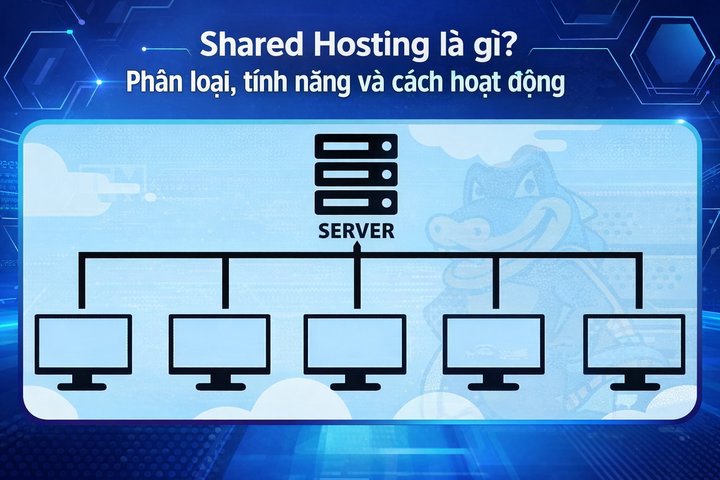
Shared Hosting là gì? Phân loại, tính năng và cách hoạt động
Cloud and Server

Shared Hosting là gì? Phân loại, tính năng và cách hoạt động

Shared hosting là hình thức lưu trữ web trong đó nhiều trang web cùng chia sẻ tài nguyên trên một máy chủ vật lý. Tìm hiểu ưu nhược điểm và cách chọn gói phù hợp.

✦ Tóm tắt nhanh
Shared hosting là hình thức lưu trữ web trong đó nhiều trang web cùng chia sẻ tài nguyên trên một máy chủ vật lý. Tìm hiểu ưu nhược điểm và cách chọn gói phù hợp.
Bài này thế nào?

Shared hosting là hình thức lưu trữ web phổ biến nhất, cho phép nhiều trang web cùng chia sẻ tài nguyên trên một máy chủ vật lý. Bài viết phân tích chi tiết cách hoạt động, ưu nhược điểm và hướng dẫn chọn gói shared hosting phù hợp.

Shared Hosting là gì?

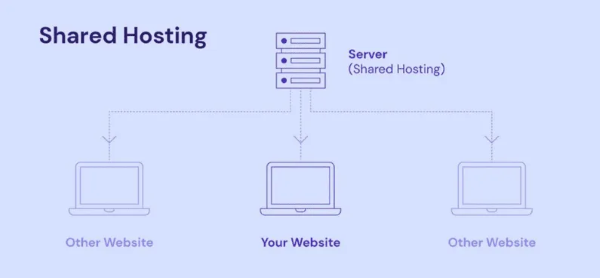
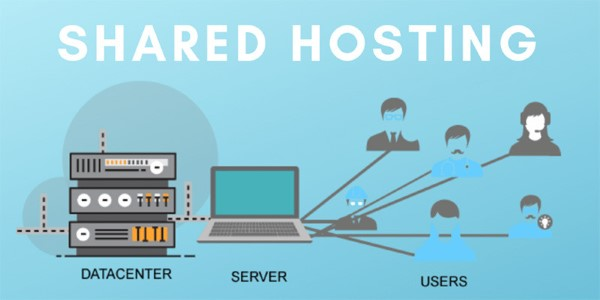
Shared hosting là một giải pháp lưu trữ nơi mà nhiều trang web được lưu trữ trên cùng một máy chủ vật lý. Mỗi trang web sẽ có không gian lưu trữ và tài nguyên giới hạn, điều này đồng nghĩa với việc tài nguyên của máy chủ như băng thông, CPU, RAM… sẽ bị chia sẻ giữa nhiều người dùng khác nhau.

Đặc điểm của Shared Hosting

Khi sử dụng shared hosting, bạn không cần phải lo lắng về việc cấu hình và bảo trì máy chủ, vì nhà cung cấp dịch vụ sẽ làm tất cả. Người dùng chỉ cần tập trung vào việc phát triển nội dung cho trang web của họ. Điều này phù hợp cho những cá nhân hay doanh nghiệp nhỏ đang bắt đầu xây dựng sự hiện diện trực tuyến.

Các đối tượng sử dụng Shared Hosting

Thường thì shared hosting được áp dụng cho những người mới bắt đầu hoặc những doanh nghiệp nhỏ không yêu cầu quá nhiều tài nguyên máy chủ. Với mức giá phải chăng và tính năng đơn giản, nó là lựa chọn lý tưởng cho blog cá nhân, website giới thiệu sản phẩm và dịch vụ.

Tính linh hoạt của Shared Hosting

Mặc dù tài nguyên bị giới hạn, nhưng nhiều nhà cung cấp dịch vụ cũng cung cấp một số gói nâng cao cho phép người dùng mở rộng tài nguyên khi cần thiết. Điều này giúp người dùng có thể phát triển theo thời gian mà không cần phải thay đổi nền tảng lưu trữ.

Network là gì? Các loại network phổ biến nhất hiện nay

Cách thức hoạt động của Shared Hosting

Cơ chế hoạt động của shared hosting khá đơn giản nhưng hiệu quả. Khi người dùng đăng ký một gói shared hosting, họ thực chất đang thuê một phần nhỏ trong tổng thể tài nguyên của máy chủ.

Quản lý tài nguyên

Khách hàng sẽ nhận được một không gian nhất định trên máy chủ, kèm theo đó là các tài nguyên như băng thông, CPU và RAM. Những tài nguyên này sẽ được phân chia theo tỷ lệ phù hợp với nhu cầu của từng trang web. Nếu một trang web tiêu thụ quá nhiều tài nguyên, nó có thể ảnh hưởng đến hiệu suất của các trang web khác trên cùng máy chủ.

Kiểm soát truy cập

Máy chủ shared hosting thường được cài đặt nhiều công cụ kiểm soát để đảm bảo rằng mỗi trang web chỉ sử dụng tài nguyên mà mình đã thuê. Các biện pháp bảo mật cũng rất quan trọng, vì một trang web bị tấn công có thể ảnh hưởng đến toàn bộ máy chủ. Chính vì vậy, các nhà cung cấp dịch vụ thường sẽ thực hiện các biện pháp bảo mật chặt chẽ để bảo vệ dữ liệu của người dùng.

Hệ thống quản lý

Người dùng thường sẽ được cung cấp một bảng điều khiển (control panel) để quản lý trang web của mình. Bảng điều khiển này cho phép người dùng dễ dàng cài đặt ứng dụng, quản lý tên miền, thư điện tử và nhiều thao tác khác mà không cần kiến thức kỹ thuật sâu rộng.
Tính năng nổi bật của Shared Hosting

Có rất nhiều tính năng nổi bật trong shared hosting thu hút người dùng. Dưới đây là một số trong số đó:

Dễ sử dụng

Với giao diện đơn giản và thân thiện, người dùng có thể dễ dàng quản lý các khía cạnh khác nhau của trang web của mình mà không gặp phải khó khăn.

Chi phí thấp

Shared hosting thường có mức giá vô cùng phải chăng, giúp người dùng tiết kiệm chi phí ban đầu cho việc phát triển trang web. Điều này đặc biệt quan trọng cho những người mới bắt đầu.

Hỗ trợ kỹ thuật

Hầu hết các nhà cung cấp shared hosting đều cung cấp hỗ trợ kỹ thuật 24/7, giúp người dùng giải quyết nhanh chóng mọi vấn đề phát sinh trong quá trình sử dụng.

Cài đặt ứng dụng đơn giản

Nhiều nhà cung cấp dịch vụ cung cấp các công cụ cài đặt ứng dụng tự động, giúp người dùng dễ dàng triển khai các hệ quản trị nội dung (CMS) phổ biến như WordPress, Joomla hay Drupal.

Ưu và nhược điểm của Shared Hosting

Như bất kỳ giải pháp nào khác, shared hosting cũng có ưu và nhược điểm riêng. Dưới đây là cái nhìn tổng quan về cả hai khía cạnh này.

Ưu điểm

  • Chi phí tiết kiệm: Với shared hosting, bạn không phải trả nhiều tiền cho việc duy trì máy chủ.
  • Dễ sử dụng: Giao diện quản lý thân thiện giúp người dùng có thể thao tác dễ dàng mà không cần quá nhiều kiến thức kỹ thuật.
  • Hỗ trợ khách hàng: Nhà cung cấp thường có đội ngũ hỗ trợ chuyên nghiệp sẵn sàng giúp đỡ khi cần thiết.

Nhược điểm

  • Tài nguyên hạn chế: Do nhiều người cùng sử dụng một máy chủ, hiệu suất của trang web có thể bị ảnh hưởng nếu một trang khác tiêu thụ quá nhiều tài nguyên.
  • Bảo mật thấp: Khi nhiều trang web cùng hoạt động trên một máy chủ, khả năng bảo mật có thể không cao bằng VPS hay dedicated server.
  • Không thể tùy chỉnh cao: Khách hàng không có quyền truy cập root và không thể tùy chỉnh máy chủ theo ý muốn của mình.

Một số lưu ý khi lựa chọn Shared Hosting

Khi chọn shared hosting, có một số yếu tố quan trọng mà bạn cần xem xét để đảm bảo lựa chọn đúng đắn.

Về tài nguyên

Đảm bảo rằng gói shared hosting mà bạn chọn cung cấp đủ tài nguyên cho nhu cầu của bạn. Các tài nguyên chính bao gồm băng thông, bộ nhớ và dung lượng ổ cứng.

Về dung lượng ổ cứng

Dung lượng ổ cứng rất quan trọng, đặc biệt nếu bạn dự định lưu trữ nhiều dữ liệu như hình ảnh, video hay các file lớn. Bạn nên chọn gói có dung lượng phù hợp với nhu cầu hiện tại và tương lai của bạn.

Về thời gian hoạt động

Thời gian hoạt động (uptime) của máy chủ là yếu tố rất quan trọng trong việc đảm bảo trang web của bạn luôn sẵn sàng phục vụ người dùng. Nên chọn nhà cung cấp có cam kết uptime cao.

Về bảng điều khiển

Một bảng điều khiển thân thiện và dễ sử dụng sẽ giúp bạn quản lý trang web một cách hiệu quả hơn. Các bảng điều khiển phổ biến như cPanel hoặc Plesk thường được ưa chuộng.

Về khả năng điều chỉnh

Hãy xem xét khả năng mở rộng trong tương lai. Một số nhà cung cấp cho phép bạn nâng cấp dễ dàng lên gói cao hơn khi bạn cần nhiều tài nguyên hơn.

Về tính năng hỗ trợ

Cuối cùng, hãy kiểm tra các dịch vụ hỗ trợ mà nhà cung cấp đưa ra, từ hỗ trợ kỹ thuật đến các tài liệu hướng dẫn. Một dịch vụ hỗ trợ tốt sẽ giúp bạn giảm thiểu rắc rối trong quá trình sử dụng.,
So sánh Shared Hosting, VPS, Dedicated Server và Cloud Server

Khi bàn về shared hosting, không thể không nhắc đến những lựa chọn khác như VPS, dedicated server và cloud server. Mỗi loại đều có ưu điểm và nhược điểm riêng.

Shared Hosting

Như đã đề cập, shared hosting là lựa chọn tối ưu cho những người mới bắt đầu hay các doanh nghiệp nhỏ với ngân sách hạn chế. Nó đáp ứng nhu cầu cơ bản nhưng lại không mạnh mẽ bằng các hình thức lưu trữ khác.

VPS Hosting

VPS (Virtual Private Server) cung cấp tài nguyên riêng cho từng người dùng, cho phép người dùng có quyền truy cập root và tùy chỉnh máy chủ theo nhu cầu. Do đó, VPS thường phức tạp hơn và đắt đỏ hơn shared hosting.

Dedicated Server

Dedicated server là máy chủ hoàn toàn dành riêng cho một người dùng hoặc một tổ chức. Điều này mang lại hiệu suất cao và khả năng tùy chỉnh tối đa. Tuy nhiên, chi phí sẽ rất cao và bạn cần có kỹ năng quản lý server.

Cloud Server

Cloud server là một hình thức lưu trữ hiện đại, cung cấp khả năng mở rộng linh hoạt. Người dùng có thể tăng hoặc giảm tài nguyên theo nhu cầu mà không cần phải chuyển sang máy chủ khác. Tuy nhiên, chi phí cũng có thể cao hơn so với shared hosting.

Một số câu hỏi liên quan đến Shared Hosting

Trong quá trình tìm hiểu về shared hosting, có rất nhiều câu hỏi xuất hiện liên quan đến hình thức lưu trữ này.

Shared Hosting phù hợp với đối tượng nào?

Shared hosting rất phù hợp cho những người mới bắt đầu, blogger cá nhân, và các doanh nghiệp nhỏ muốn xây dựng sự hiện diện trực tuyến mà không tốn quá nhiều chi phí.

Shared Hosting mang lại lợi ích gì?

Nó giảm thiểu chi phí và thời gian quản lý. Giao diện người dùng thân thiện cũng giúp người không có kinh nghiệm về kỹ thuật có thể dễ dàng quản lý trang web.

Có nên sử dụng Shared Hosting hay không?

Nếu bạn chỉ cần một trang web đơn giản với lưu lượng truy cập thấp, shared hosting là lựa chọn tuyệt vời. Tuy nhiên, nếu bạn dự định phát triển một trang web lớn hơn trong tương lai, có thể bạn nên xem xét VPS hoặc cloud hosting.

Nên mua Shared Hosting ở đâu uy tín, chất lượng?

Trên thị trường hiện nay có nhiều nhà cung cấp shared hosting. Nên tham khảo đánh giá từ người dùng trước đó và các yếu tố như hỗ trợ kỹ thuật, thời gian hoạt động và tính năng bổ sung trước khi đưa ra quyết định.
{{< test-result title="So sanh cac loai hosting" headers="Tieu chi|Shared Hosting|VPS Hosting|Dedicated Server|Cloud Server" row1="Chi phi|Thap nhat|Trung binh|Cao nhat|Linh hoat" row2="Tai nguyen|Chia se|Rieng (ao)|Rieng (vat ly)|Linh hoat" row3="Quyen root|Khong|Co|Co|Co" row4="Bao mat|Co ban|Trung binh|Cao|Cao" row5="Phu hop|Blog, web nho|Doanh nghiep vua|Doanh nghiep lon|Moi quy mo" />}}

Ghi chú

Shared hosting la lua chon tiet kiem nhat cho nguoi moi bat dau xay dung website. Voi muc gia phai chang va giao dien quan ly don gian, day la buoc khoi dau ly tuong truoc khi nang cap len VPS hoac cloud hosting khi luu luong tang.

Ket luan: Shared hosting la hinh thuc luu tru web co ban va tiet kiem nhat, phu hop voi blog ca nhan, website gioi thieu va doanh nghiep nho co luu luong truy cap thap. Du co han che ve tai nguyen va bao mat so voi VPS hay dedicated server, shared hosting van la diem khoi dau tot nho chi phi thap, giao dien de su dung va ho tro ky thuat tu nha cung cap.

Nguồn tham khảo
Câu hỏi thường gặpQ&A

Shared hosting is the most popular form of web hosting, allowing multiple websites to share resources on a single physical server. This article provides a detailed analysis of how it works, its pros and cons, and a guide to choosing the right shared hosting plan.

What is Shared Hosting?

Shared hosting is a hosting solution where multiple websites are stored on the same physical server. Each website receives limited storage space and resources, meaning server resources such as bandwidth, CPU, and RAM are shared among multiple users.

Characteristics of Shared Hosting

When using shared hosting, you don't need to worry about server configuration and maintenance, as the service provider handles everything. Users only need to focus on developing content for their websites. This is ideal for individuals or small businesses that are just starting to build their online presence.

Who Uses Shared Hosting?

Shared hosting is typically used by beginners or small businesses that don't require extensive server resources. With affordable pricing and simple features, it is an ideal choice for personal blogs, product showcase websites, and service pages.

Flexibility of Shared Hosting

Although resources are limited, many service providers offer upgraded plans that allow users to scale resources when needed. This helps users grow over time without having to switch hosting platforms.

What is a Network? The Most Common Types of Networks Today

How Shared Hosting Works

The mechanism behind shared hosting is quite simple yet effective. When users sign up for a shared hosting plan, they are essentially renting a small portion of the server's total resources.

Resource Management

Customers receive a designated amount of space on the server, along with resources such as bandwidth, CPU, and RAM. These resources are allocated proportionally based on each website's needs. If one website consumes too many resources, it can affect the performance of other websites on the same server.

Access Control

Shared hosting servers are typically equipped with multiple control tools to ensure that each website only uses its allocated resources. Security measures are also crucial, as a compromised website could affect the entire server. For this reason, service providers typically implement strict security measures to protect user data.

Management System

Users are usually provided with a control panel to manage their websites. This control panel allows users to easily install applications, manage domain names, email, and perform many other tasks without requiring deep technical knowledge.

Key Features of Shared Hosting

There are many standout features in shared hosting that attract users. Here are some of them:

Easy to Use

With a simple and user-friendly interface, users can easily manage different aspects of their websites without encountering difficulties.

Low Cost

Shared hosting typically comes at very affordable prices, helping users save on initial costs for website development. This is especially important for beginners.

Technical Support

Most shared hosting providers offer 24/7 technical support, helping users quickly resolve any issues that arise during use.

Simple Application Installation

Many service providers offer automatic application installation tools, making it easy for users to deploy popular content management systems (CMS) like WordPress, Joomla, or Drupal.

Pros and Cons of Shared Hosting

Like any other solution, shared hosting has its own pros and cons. Here is an overview of both aspects.

What is Reverse Proxy? Benefits, Usage, and How Reverse Proxy Works

Pros

  • Cost-effective: With shared hosting, you don't have to pay a lot for server maintenance.
  • Easy to use: A user-friendly management interface allows users to operate easily without requiring extensive technical knowledge.
  • Customer support: Providers typically have a professional support team ready to help when needed.

Cons

  • Limited resources: Since multiple users share one server, website performance can be affected if another site consumes too many resources.
  • Lower security: When multiple websites operate on the same server, security may not be as strong as VPS or dedicated servers.
  • Limited customization: Customers do not have root access and cannot customize the server as they wish.

Tips for Choosing Shared Hosting

When choosing shared hosting, there are several important factors you need to consider to make the right decision.

Resources

Make sure the shared hosting plan you choose provides enough resources for your needs. Key resources include bandwidth, memory, and disk space.

Disk Space

Disk space is very important, especially if you plan to store a lot of data such as images, videos, or large files. You should choose a plan with enough storage for both your current and future needs.

Uptime

Server uptime is a crucial factor in ensuring your website is always available to users. Choose a provider with a high uptime commitment.

Control Panel

A user-friendly and easy-to-use control panel will help you manage your website more effectively. Popular control panels like cPanel or Plesk are commonly preferred.

Scalability

Consider the ability to scale in the future. Some providers allow you to easily upgrade to a higher plan when you need more resources.

Support Features

Finally, check the support services offered by the provider, from technical support to documentation and guides. Good support services will help you minimize trouble during use.

Comparing Shared Hosting, VPS, Dedicated Server, and Cloud Server

When discussing shared hosting, it's impossible not to mention other options such as VPS, dedicated server, and cloud server. Each type has its own advantages and disadvantages.

Shared Hosting

As mentioned, shared hosting is the optimal choice for beginners or small businesses with limited budgets. It meets basic needs but is not as powerful as other hosting solutions.

What is Airbnb Proxy?

VPS Hosting

VPS (Virtual Private Server) provides dedicated resources for each user, allowing root access and server customization according to needs. Therefore, VPS is typically more complex and more expensive than shared hosting.

Dedicated Server

A dedicated server is entirely devoted to a single user or organization. This provides high performance and maximum customization capabilities. However, the cost is very high and you need server management skills.

Cloud Server

Cloud server is a modern hosting solution that offers flexible scalability. Users can increase or decrease resources as needed without having to switch to a different server. However, the cost may also be higher than shared hosting.

Common Questions About Shared Hosting

During the process of learning about shared hosting, many questions arise related to this hosting solution.

Who is Shared Hosting Suitable For?

Shared hosting is very suitable for beginners, personal bloggers, and small businesses looking to build an online presence without spending too much.

What Benefits Does Shared Hosting Offer?

It minimizes costs and management time. The user-friendly interface also helps people without technical experience easily manage their websites.

Should You Use Shared Hosting?

If you only need a simple website with low traffic, shared hosting is an excellent choice. However, if you plan to develop a larger website in the future, you may want to consider VPS or cloud hosting.

Where to Buy Reliable, Quality Shared Hosting?

There are currently many shared hosting providers on the market. You should refer to reviews from previous users and consider factors such as technical support, uptime, and additional features before making a decision.

{{< test-result title="Hosting Type Comparison" headers="Criteria|Shared Hosting|VPS Hosting|Dedicated Server|Cloud Server" row1="Cost|Lowest|Medium|Highest|Flexible" row2="Resources|Shared|Private (virtual)|Private (physical)|Flexible" row3="Root access|No|Yes|Yes|Yes" row4="Security|Basic|Medium|High|High" row5="Suitable for|Blogs, small sites|Medium businesses|Large enterprises|All scales" />}}

Note

Shared hosting is the most cost-effective option for beginners building a website. With affordable pricing and a simple management interface, it is an ideal starting point before upgrading to VPS or cloud hosting as traffic grows.

Conclusion: Shared hosting is the most basic and cost-effective web hosting solution, suitable for personal blogs, showcase websites, and small businesses with low traffic. Despite its limitations in resources and security compared to VPS or dedicated servers, shared hosting remains a great starting point thanks to its low cost, easy-to-use interface, and technical support from providers.

Sources
Frequently Asked QuestionsQ&A