Servlet là gì? Ứng dụng và So sánh giữa JSP và Servlet
Development

Servlet là gì? Ứng dụng và So sánh giữa JSP và Servlet

Servlet là công nghệ Java để phát triển ứng dụng web động. Tìm hiểu kiến trúc, vòng đời, chức năng, so sánh JSP và Servlet, cùng ưu nhược điểm.

✦ Tóm tắt nhanh
Servlet là công nghệ Java để phát triển ứng dụng web động. Tìm hiểu kiến trúc, vòng đời, chức năng, so sánh JSP và Servlet, cùng ưu nhược điểm.
Bài này thế nào?

Servlet là công nghệ Java cốt lõi để phát triển ứng dụng web động, cho phép tạo giao diện tương tác và quản lý dữ liệu hiệu quả. Bài viết giúp bạn hiểu rõ kiến trúc, vòng đời, chức năng và so sánh giữa JSP và Servlet.

Servlet là gì?

Servlet là một công nghệ được sử dụng để phát triển các ứng dụng web động bằng ngôn ngữ Java. Về bản chất, Servlet là một lớp Java đặc biệt được triển khai trên máy chủ web và hoạt động như một trung gian giữa trình duyệt web và các nguồn dữ liệu hoặc tài nguyên khác của ứng dụng.

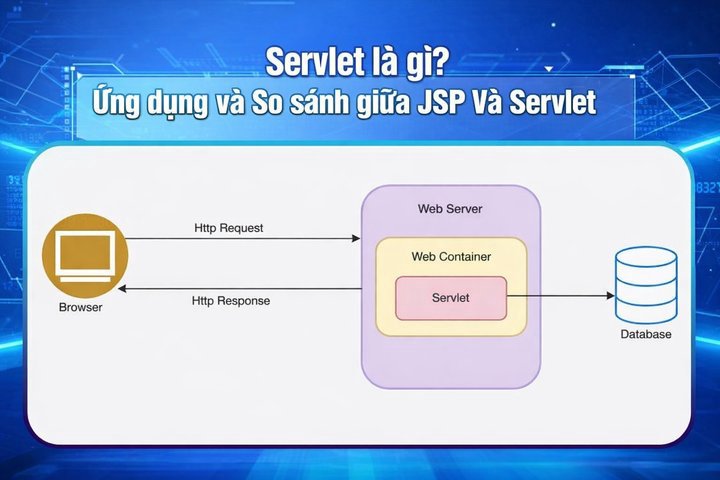
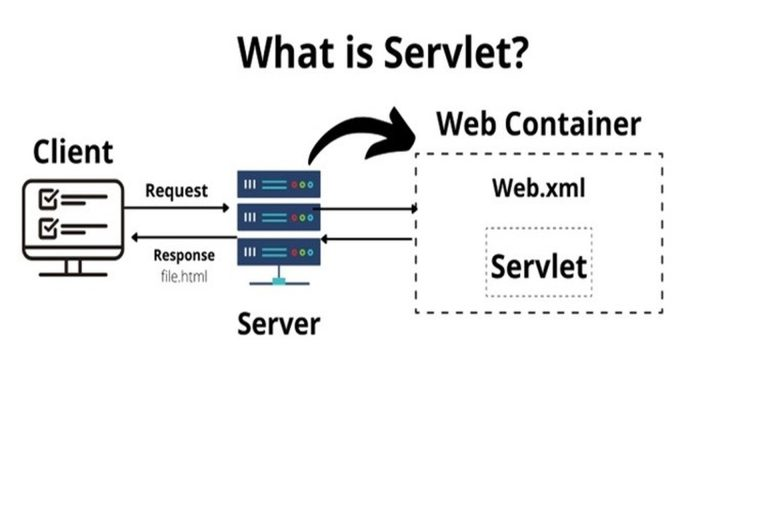
Khi người dùng truy cập vào một trang web động, trình duyệt sẽ gửi yêu cầu đến máy chủ web. Máy chủ web sẽ chuyển yêu cầu này đến Servlet tương ứng. Servlet sẽ xử lý yêu cầu, tương tác với dữ liệu (nếu cần), tạo ra nội dung đáp ứng, sau đó gửi trả về cho trình duyệt.

Servlet hoạt động bên trong một container Servlet, có thể là Tomcat, Jetty, GlassFish. Container Servlet cung cấp môi trường thực thi cho Servlet và xử lý các tác vụ liên quan đến quản lý vòng đời, xử lý yêu cầu và phản hồi.

Kiến trúc của Servlet

Trình duyệt web (Web Browser): Người dùng truy cập ứng dụng web thông qua trình duyệt, là điểm khởi đầu cho mọi yêu cầu.

Máy chủ web (Web Server): Cung cấp dịch vụ lưu trữ và phân phối các tập tin tĩnh (HTML, CSS, JavaScript) và tập tin động (Servlet).

Container Servlet: Chứa và quản lý các Servlet, xử lý các yêu cầu đến từ trình duyệt và chuyển chúng đến Servlet phù hợp.

Servlet: Thành phần chịu trách nhiệm xử lý yêu cầu, truy cập dữ liệu, tạo nội dung động và trả về kết quả.

Cơ sở dữ liệu (Database): Lưu trữ dữ liệu của ứng dụng web. Servlet tương tác với cơ sở dữ liệu qua JDBC để truy vấn, cập nhật, thêm hoặc xóa dữ liệu.

Các nhiệm vụ chính của Servlet

Xử lý biểu mẫu và dữ liệu từ trình duyệt: Servlet nhận dữ liệu từ biểu mẫu, xử lý, xác thực và lưu trữ vào cơ sở dữ liệu hoặc sử dụng cho các mục đích khác.

Giao tiếp với cơ sở dữ liệu: Servlet tương tác với các hệ thống quản trị cơ sở dữ liệu (MySQL, Oracle, PostgreSQL) thông qua JDBC để thực hiện các câu lệnh SQL.

2FA là gì? Hướng dẫn chi tiết về bảo mật hai yếu tố

Xử lý các phương thức HTTP: Servlet xử lý các yêu cầu GET, POST, PUT, DELETE, mỗi dạng tương ứng với một phương thức xử lý riêng biệt.

Giao tiếp với các thành phần khác: Servlet giao tiếp với các lớp Java, EJB, JSP và các thành phần khác trong ứng dụng web.

Thực hiện logic ứng dụng: Tính toán, kiểm tra dữ liệu, điều hướng giữa các trang.

Tại sao cần hiểu về Servlet?

  • Phát triển ứng dụng web động: Servlet là công nghệ cốt lõi để xây dựng các ứng dụng web động với tương tác người dùng.
  • Tăng hiệu suất và độ tin cậy: Servlet được thiết kế để xử lý nhiều yêu cầu đồng thời, cải thiện hiệu suất ứng dụng.
  • Tích hợp dễ dàng: Servlet tích hợp với các công nghệ Java khác như JDBC, JMS, giúp tạo ra ứng dụng web phức tạp.
  • Khả năng mở rộng: Servlet được thiết kế để dễ dàng mở rộng đáp ứng nhu cầu ứng dụng web lớn.
Mẹo học Servlet hiệu quả

Bắt đầu với Apache Tomcat — container Servlet phổ biến nhất. Thực hành tạo Servlet đơn giản xử lý GET/POST trước khi chuyển sang các tính năng nâng cao như session management và filter.

Công dụng của Servlet
  • Thương mại điện tử: Xử lý giao dịch thanh toán, quản lý giỏ hàng, cho phép mua sắm trực tuyến thuận tiện.
  • Trang web tương tác: Tạo các ứng dụng web tương tác như trò chơi trực tuyến, diễn đàn.
  • Ứng dụng web doanh nghiệp: Phát triển ứng dụng quản lý dữ liệu, quản lý nội dung.
  • Ứng dụng web di động: Servlet tương tác với ứng dụng di động để cung cấp dữ liệu hoặc thực hiện tác vụ.
  • Xây dựng API web: Phát triển API cung cấp dữ liệu cho các ứng dụng khác.

Vòng đời của Servlet

Khởi tạo (Initialization): Container Servlet gọi phương thức init(), được thực thi một lần duy nhất trong suốt vòng đời của Servlet, chuẩn bị tài nguyên cần thiết.

Xử lý yêu cầu (Request Handling): Container Servlet gọi phương thức service(), sau đó gọi doGet() hoặc doPost() tùy thuộc vào phương thức HTTP của yêu cầu.

Hủy bỏ (Destruction): Khi Servlet không còn sử dụng, Container gọi phương thức destroy() để giải phóng tài nguyên.

Vai trò của JVM trong Servlet

JVM (Java Virtual Machine) là môi trường chạy cho các ứng dụng Java bao gồm cả Servlet. JVM đảm nhận việc dịch mã bytecode Java thành mã máy, quản lý bộ nhớ, xử lý ngoại lệ và cung cấp các dịch vụ cần thiết. Servlet không thể hoạt động nếu không có JVM.

So sánh JSP và Servlet

JSP (JavaServer Pages) cho phép nhúng mã Java trực tiếp vào các trang web HTML, thường được xem như một dạng đặc biệt của Servlet.

Đặc điểm JSP Servlet
Bản chất Trang web động nhúng mã Java Lớp Java xử lý yêu cầu
Mục đích Hiển thị giao diện và xử lý logic Xử lý logic và điều khiển luồng
Cách thực hiện Viết mã Java trong HTML Viết toàn bộ mã Java
Tính linh hoạt Ít linh hoạt Linh hoạt hơn
Hiệu năng Có thể chậm hơn Nhanh hơn
Dễ sử dụng Dễ với nhà phát triển web Cần kiến thức lập trình Java

Ưu điểm của JSP

  • Tách biệt nội dung và logic: JSP cho phép tách biệt giao diện người dùng (HTML) và logic xử lý (Java).
  • Dễ sử dụng: Viết mã Java trực tiếp vào HTML, dễ dàng tạo trang web động.
  • Tái sử dụng mã: Các thành phần JSP có thể được tái sử dụng trong nhiều trang web khác nhau.

Nhược điểm của JSP

  • Hiệu năng: JSP có thể làm giảm hiệu năng nếu không được tối ưu hóa cẩn thận.
  • Độ phức tạp: Ứng dụng lớn có thể trở nên phức tạp, khó bảo trì.
  • Khả năng bảo mật: Nhúng mã Java vào HTML có thể tạo lỗ hổng bảo mật nếu không cẩn trọng.

Mô hình OSI là gì? Quy trình hoạt động của mô hình OSI

Lưu ý khi phát triển Servlet

Trong các dự án hiện đại, nhiều framework như Spring MVC, Jakarta EE đã thay thế Servlet thuần. Tuy nhiên, hiểu Servlet vẫn rất quan trọng vì nó là nền tảng mà các framework này xây dựng trên.

Kết luận: Servlet là công nghệ Java cốt lõi cho phát triển ứng dụng web động, giúp tạo trang web tương tác và quản lý dữ liệu hiệu quả. Hiểu rõ Servlet là nền tảng quan trọng cho mọi lập trình viên Java.

Nguồn tham khảo

Câu hỏi thường gặp

Câu hỏi thường gặpQ&A
Servlet là gì?
Servlet là một lớp Java đặc biệt được triển khai trên máy chủ web, hoạt động như trung gian giữa trình duyệt và các nguồn dữ liệu để phát triển ứng dụng web động.
Servlet và JSP khác nhau thế nào?
Servlet là lớp Java xử lý logic và điều khiển luồng, linh hoạt hơn. JSP là trang web động nhúng mã Java vào HTML, dễ sử dụng hơn cho hiển thị giao diện.
Container Servlet là gì?
Container Servlet (như Tomcat, Jetty, GlassFish) là môi trường thực thi cho Servlet, quản lý vòng đời, xử lý yêu cầu và phản hồi, quản lý phiên làm việc.
Vòng đời của Servlet gồm mấy giai đoạn?
Vòng đời Servlet gồm 3 giai đoạn: Khởi tạo (init()), Xử lý yêu cầu (service() → doGet()/doPost()), và Hủy bỏ (destroy()) khi Servlet không còn sử dụng.
Servlet được ứng dụng trong lĩnh vực nào?
Servlet được ứng dụng trong thương mại điện tử, trang web tương tác, ứng dụng doanh nghiệp, ứng dụng di động và xây dựng API web cung cấp dữ liệu cho các ứng dụng khác.

Servlet is a core Java technology for developing dynamic web applications, enabling the creation of interactive interfaces and efficient data management. This article helps you understand the architecture, lifecycle, features, and comparison between JSP and Servlet.

What is a Servlet?

Servlet is a technology used to develop dynamic web applications using the Java programming language. At its core, a Servlet is a special Java class deployed on a web server that acts as an intermediary between the web browser and the application's data sources or other resources.

When a user accesses a dynamic web page, the browser sends a request to the web server. The web server forwards this request to the corresponding Servlet. The Servlet processes the request, interacts with the data (if needed), generates response content, and then sends it back to the browser.

Servlets operate inside a Servlet container, which can be Tomcat, Jetty, or GlassFish. The Servlet container provides the runtime environment for Servlets and handles tasks related to lifecycle management, request and response processing.

Servlet Architecture

Web Browser: Users access the web application through their browser, which is the starting point for all requests.

Web Server: Provides hosting services and distributes static files (HTML, CSS, JavaScript) and dynamic files (Servlets).

Servlet Container: Contains and manages Servlets, processes incoming requests from the browser and routes them to the appropriate Servlet.

Servlet: The component responsible for processing requests, accessing data, generating dynamic content, and returning results.

Database: Stores the web application's data. Servlets interact with the database through JDBC to query, update, insert, or delete data.

Key Tasks of a Servlet

Processing forms and data from the browser: Servlets receive data from forms, process, validate, and store it in the database or use it for other purposes.

Communicating with the database: Servlets interact with database management systems (MySQL, Oracle, PostgreSQL) through JDBC to execute SQL statements.

What is 2FA? A Detailed Guide to Two-Factor Authentication

Handling HTTP methods: Servlets handle GET, POST, PUT, and DELETE requests, each corresponding to a separate processing method.

Communicating with other components: Servlets communicate with Java classes, EJBs, JSPs, and other components within the web application.

Executing application logic: Performing calculations, validating data, and navigating between pages.

Why Should You Understand Servlets?

  • Developing dynamic web applications: Servlet is a core technology for building dynamic web applications with user interaction.
  • Improved performance and reliability: Servlets are designed to handle many concurrent requests, improving application performance.
  • Easy integration: Servlets integrate with other Java technologies such as JDBC and JMS, enabling the creation of complex web applications.
  • Scalability: Servlets are designed to easily scale to meet the demands of large web applications.
Tips for learning Servlets effectively

Start with Apache Tomcat — the most popular Servlet container. Practice creating simple Servlets that handle GET/POST before moving on to advanced features like session management and filters.

Applications of Servlets

  • E-commerce: Processing payment transactions, managing shopping carts, enabling convenient online shopping.
  • Interactive websites: Creating interactive web applications such as online games and forums.
  • Enterprise web applications: Developing applications for data management and content management.
  • Mobile web applications: Servlets interact with mobile applications to provide data or perform tasks.
  • Building web APIs: Developing APIs that provide data to other applications.

What is a Shopee Proxy? A Guide to Choosing the Right Proxy for Shopee

Servlet Lifecycle

Initialization: The Servlet container calls the init() method, which is executed only once during the Servlet's entire lifecycle, preparing the necessary resources.

Request Handling: The Servlet container calls the service() method, which then calls doGet() or doPost() depending on the HTTP method of the request.

Destruction: When the Servlet is no longer in use, the container calls the destroy() method to release resources.

The Role of JVM in Servlets

JVM (Java Virtual Machine) is the runtime environment for Java applications, including Servlets. The JVM handles translating Java bytecode into machine code, managing memory, handling exceptions, and providing essential services. A Servlet cannot function without the JVM.

JSP vs Servlet Comparison

JSP (JavaServer Pages) allows embedding Java code directly into HTML web pages and is often regarded as a special form of Servlet.

Feature JSP Servlet
Nature Dynamic web page with embedded Java Java class that handles requests
Purpose Display UI and process logic Process logic and control flow
Implementation Write Java code within HTML Write entirely in Java
Flexibility Less flexible More flexible
Performance May be slower Faster
Ease of use Easy for web developers Requires Java programming knowledge

Advantages of JSP

  • Separation of content and logic: JSP allows separation of the user interface (HTML) and processing logic (Java).
  • Easy to use: Write Java code directly in HTML, making it easy to create dynamic web pages.
  • Code reuse: JSP components can be reused across multiple different web pages.

Disadvantages of JSP

  • Performance: JSP can reduce performance if not carefully optimized.
  • Complexity: Large applications can become complex and difficult to maintain.
  • Security concerns: Embedding Java code in HTML can create security vulnerabilities if not done carefully.

What is the OSI Model? How the OSI Model Works

Note on Servlet development

In modern projects, many frameworks like Spring MVC and Jakarta EE have replaced plain Servlets. However, understanding Servlets remains very important because they are the foundation upon which these frameworks are built.

Conclusion: Servlet is a core Java technology for developing dynamic web applications, enabling the creation of interactive web pages and efficient data management. A solid understanding of Servlets is an essential foundation for every Java developer.

Sources

Frequently Asked Questions

Frequently Asked QuestionsQ&A
What is a Servlet?
A Servlet is a special Java class deployed on a web server that acts as an intermediary between the web browser and data sources to develop dynamic web applications.
How are Servlet and JSP different?
Servlet is a Java class that handles logic and controls flow, offering greater flexibility. JSP is a dynamic web page that embeds Java code into HTML, making it easier to use for displaying user interfaces.
What is a Servlet Container?
A Servlet Container (such as Tomcat, Jetty, GlassFish) is the runtime environment for Servlets, managing their lifecycle, handling requests and responses, and managing sessions.
How many phases does the Servlet lifecycle have?
The Servlet lifecycle has 3 phases: Initialization (init()), Request Handling (service() → doGet()/doPost()), and Destruction (destroy()) when the Servlet is no longer in use.
What fields are Servlets used in?
Servlets are used in e-commerce, interactive websites, enterprise applications, mobile applications, and building web APIs that provide data to other applications.