What is OpenShift? A Complete Guide to OpenShift
Cloud and Server

What is OpenShift? A Complete Guide to OpenShift

OpenShift is Red Hat's open-source container platform built on Kubernetes, helping deploy and manage modern applications. Learn about its features and advantages.

✦ Quick summary
OpenShift is Red Hat's open-source container platform built on Kubernetes, helping deploy and manage modern applications. Learn about its features and advantages.
How was this post?

OpenShift is Red Hat's open-source container platform built on Kubernetes, helping enterprises deploy, manage, and scale containerized applications. This article provides a comprehensive guide to OpenShift from concepts to standout features.

What is OpenShift?

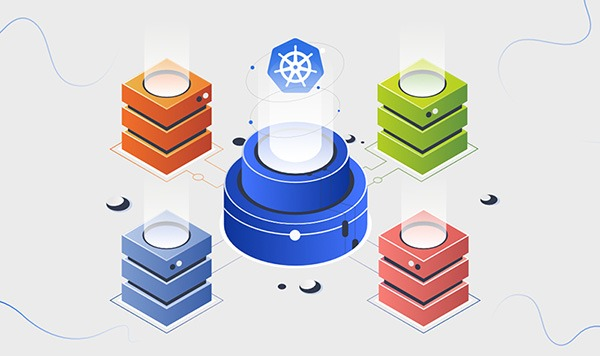
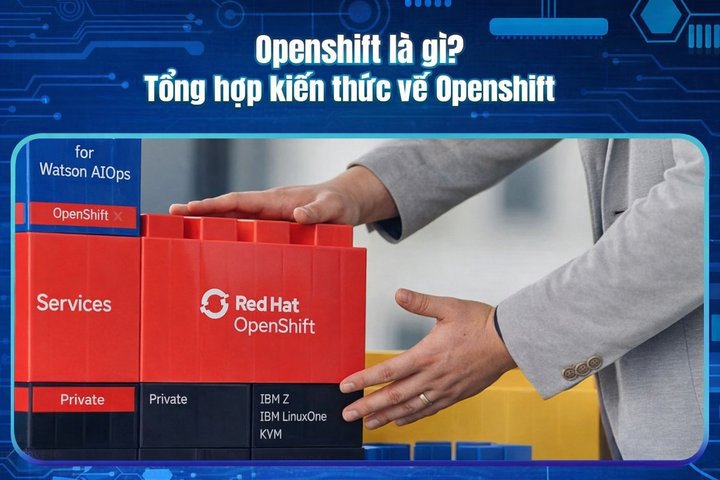
OpenShift is an open-source container as a service (CaaS) platform developed by Red Hat. It provides an environment to deploy, manage, and scale containerized applications on cloud platforms and on-premise infrastructure. With the support of Kubernetes, OpenShift has become a critical tool helping organizations build modern applications based on micro-services.

The platform not only focuses on rapid deployment but also ensures high availability and security. The combination of OpenShift and Kubernetes allows developers to easily create quality products while minimizing risks during development and deployment.

What is a Residential Proxy? How Residential Proxies Work

Frameworks Supported by OpenShift

OpenShift supports a wide range of programming languages and frameworks:

Java: Supports Spring Boot, JBoss EAP, and WildFly. The rich Java ecosystem combined with OpenShift's scalability creates an ideal environment for large and complex applications.

Python: Supports Django and Flask. Suitable for web applications and data science projects.

Node.js: Allows building powerful backend applications, especially useful for real-time applications and microservices.

Ruby on Rails: Provides a developer-friendly environment with automated deployment features, enabling application updates without downtime.

What is an IP Address? Advantages, Disadvantages, and How It Works

PHP: Supported through Apache and Nginx, making PHP application deployment easy.

.NET: Supports .NET Core and .NET Framework, opening opportunities for enterprises using Microsoft technology to transition to containerization.

Advantages and Key Features of OpenShift

Convenient Application Management

OpenShift automates many management tasks such as version updates, application deployment, monitoring, and resource management, helping reduce the burden on DevOps teams.

Easy Customization and Deployment

Users can flexibly configure resources, services, and networking to ensure applications perform optimally in specific environments.

What is OwnCloud? Benefits and Advantages of OwnCloud

Support for New Users

OpenShift provides comprehensive documentation, an active user community, and an intuitive web interface. Combined with Kubernetes, OpenShift makes deploying and scaling modern applications easy.

Tip for Getting Started with OpenShift

Use the OpenShift Developer Sandbox (free) to experiment with the platform before deploying to production. This is the best way to familiarize yourself with the interface and integrated CI/CD workflows.

Consistency Across All Infrastructures

OpenShift allows consistent application deployment across public clouds, private clouds, or on-premise environments without reconfiguring. This saves both cost and time.

Flexibility

Thanks to Kubernetes, OpenShift can deploy complex applications comprising multiple services and components, opening up many opportunities for developers to create modern applications.

Note on Costs

The commercial Red Hat OpenShift version has significant costs including subscription and support fees. Carefully evaluate your budget and compare with other solutions such as EKS (AWS) or AKS (Azure) before making a decision.

Conclusion: OpenShift is a powerful container platform built on Kubernetes, helping enterprises deploy modern applications with high flexibility, strong security, and consistency across all infrastructures.

Sources

Frequently Asked Questions

Frequently Asked QuestionsQ&A
What is OpenShift?
OpenShift is an open-source container as a service (CaaS) platform developed by Red Hat, built on Kubernetes, that helps deploy, manage, and scale containerized applications.
How is OpenShift different from Kubernetes?
OpenShift is built on Kubernetes but adds many additional features such as a web console, integrated CI/CD, enhanced security, and commercial support from Red Hat.
What programming languages does OpenShift support?
OpenShift supports many languages and frameworks: Java (Spring Boot, JBoss), Python (Django, Flask), Node.js, Ruby on Rails, PHP, .NET, and many others.
Is OpenShift free?
OpenShift has a free open-source version (OKD). Red Hat OpenShift Container Platform is the commercial version with fees, which comes with professional technical support.
Who should use OpenShift?
OpenShift is suitable for enterprises wanting to deploy containerized applications, DevOps teams needing CI/CD automation, and organizations requiring consistency across multiple cloud infrastructures.

OpenShift là nền tảng container mã nguồn mở của Red Hat dựa trên Kubernetes, giúp doanh nghiệp triển khai, quản lý và mở rộng ứng dụng container hóa. Bài viết tổng hợp kiến thức về OpenShift từ khái niệm đến tính năng nổi bật.

OpenShift là gì?

OpenShift là một nền tảng container as a service (CaaS) mã nguồn mở được phát triển bởi Red Hat. Nó cung cấp môi trường để triển khai, quản lý và mở rộng các ứng dụng container hóa trên các nền tảng đám mây và tại chỗ (on-premise). Với sự hỗ trợ từ Kubernetes, OpenShift đã trở thành công cụ quan trọng giúp các tổ chức xây dựng ứng dụng hiện đại dựa trên micro-services.

Nền tảng này không chỉ tập trung vào triển khai nhanh chóng mà còn đảm bảo tính khả dụng và bảo mật cao. Sự kết hợp giữa OpenShift và Kubernetes cho phép nhà phát triển dễ dàng tạo ra sản phẩm chất lượng, đồng thời giảm thiểu rủi ro trong quá trình phát triển và triển khai.

Các nền tảng khung hỗ trợ bởi OpenShift

OpenShift hỗ trợ một loạt các ngôn ngữ lập trình và framework:

Java: Hỗ trợ Spring Boot, JBoss EAP và WildFly. Hệ sinh thái Java giàu có cùng khả năng mở rộng của OpenShift tạo môi trường lý tưởng cho ứng dụng lớn và phức tạp.

Python: Hỗ trợ Django và Flask. Phù hợp cho các ứng dụng web và dự án khoa học dữ liệu.

Node.js: Cho phép xây dựng ứng dụng backend mạnh mẽ, đặc biệt hữu ích cho ứng dụng real-time và microservices.

Ruby on Rails: Cung cấp môi trường thân thiện với tính năng tự động hóa triển khai, giúp cập nhật ứng dụng không gây downtime.

Địa chỉ IP là gì? Ưu điểm, nhược điểm và nguyên lý hoạt động

PHP: Hỗ trợ thông qua Apache và Nginx, giúp triển khai ứng dụng PHP dễ dàng.

.NET: Hỗ trợ .NET Core và .NET Framework, mở cơ hội cho doanh nghiệp sử dụng công nghệ Microsoft chuyển sang container hóa.

Ưu điểm và tính năng nổi bật của OpenShift

Tiện lợi trong quản lý ứng dụng

OpenShift tự động hóa nhiều tác vụ quản lý như cập nhật phiên bản, triển khai ứng dụng, giám sát và quản lý tài nguyên, giúp giảm thiểu gánh nặng cho đội ngũ DevOps.

Tùy chỉnh và triển khai dễ dàng

Người dùng có thể cấu hình tài nguyên, dịch vụ và mạng một cách linh hoạt, đảm bảo ứng dụng hoạt động tốt nhất trong môi trường cụ thể.

OwnCloud là gì? Lợi ích và ưu điểm của OwnCloud

Hỗ trợ người dùng mới

OpenShift cung cấp tài liệu hướng dẫn, cộng đồng người dùng sôi động và giao diện web trực quan. Kết hợp với Kubernetes, OpenShift giúp triển khai và mở rộng ứng dụng hiện đại một cách dễ dàng.

Mẹo bắt đầu với OpenShift

Sử dụng OpenShift Developer Sandbox (miễn phí) để thử nghiệm nền tảng trước khi triển khai production. Đây là cách tốt nhất để làm quen với giao diện và quy trình CI/CD tích hợp.

Tính nhất quán trên mọi hạ tầng

OpenShift cho phép triển khai ứng dụng nhất quán trên đám mây công cộng, đám mây riêng tư hay môi trường on-premise mà không cần điều chỉnh lại cấu hình. Điều này giúp tiết kiệm chi phí và thời gian.

Tính linh hoạt

Nhờ sử dụng Kubernetes, OpenShift có thể triển khai ứng dụng phức tạp bao gồm nhiều dịch vụ và component, mở ra nhiều cơ hội cho nhà phát triển tạo ra ứng dụng hiện đại.

Lưu ý về chi phí

Phiên bản thương mại Red Hat OpenShift có chi phí đáng kể bao gồm phí subscription và hỗ trợ. Đánh giá kỹ ngân sách và so sánh với các giải pháp khác như EKS (AWS) hoặc AKS (Azure) trước khi quyết định.

Kết luận: OpenShift là nền tảng container mạnh mẽ dựa trên Kubernetes, giúp doanh nghiệp triển khai ứng dụng hiện đại với tính linh hoạt cao, bảo mật tốt và nhất quán trên mọi hạ tầng.

Nguồn tham khảo

Câu hỏi thường gặp

Câu hỏi thường gặpQ&A
OpenShift là gì?
OpenShift là nền tảng container as a service (CaaS) mã nguồn mở được phát triển bởi Red Hat, dựa trên Kubernetes, giúp triển khai, quản lý và mở rộng ứng dụng container hóa.
OpenShift khác gì so với Kubernetes?
OpenShift được xây dựng trên Kubernetes nhưng bổ sung thêm nhiều tính năng như giao diện web, CI/CD tích hợp, bảo mật nâng cao và hỗ trợ thương mại từ Red Hat.
OpenShift hỗ trợ những ngôn ngữ lập trình nào?
OpenShift hỗ trợ nhiều ngôn ngữ và framework: Java (Spring Boot, JBoss), Python (Django, Flask), Node.js, Ruby on Rails, PHP, .NET và nhiều ngôn ngữ khác.
OpenShift có miễn phí không?
OpenShift có phiên bản mã nguồn mở (OKD) miễn phí. Red Hat OpenShift Container Platform là phiên bản thương mại có phí, đi kèm hỗ trợ kỹ thuật chuyên nghiệp.
Ai nên sử dụng OpenShift?
OpenShift phù hợp với doanh nghiệp muốn triển khai ứng dụng container hóa, đội ngũ DevOps cần tự động hóa CI/CD, và tổ chức cần tính nhất quán trên nhiều hạ tầng cloud.