What is a Network? The Most Common Types of Networks Today
Networking

What is a Network? The Most Common Types of Networks Today

A network is a system that connects devices to exchange data and share resources. Learn about network architecture, classifications including LAN, WAN, MAN, PAN, and real-world applications of networks.

✦ Quick summary
A network is a system that connects devices to exchange data and share resources. Learn about network architecture, classifications including LAN, WAN, MAN, PAN, and real-world applications of network...
How was this post?

A network is a system that connects electronic devices to exchange data and share resources. This article provides a detailed analysis of common network types (LAN, WAN, MAN, PAN, GAN), network topology, advantages and disadvantages, and practical applications.

What is a Network?

What is a network? A network can be understood as a collection of electronic devices, computers, printers, and many other devices connected to each other through physical or wireless transmission lines to exchange data and share resources. In other words, a network is an interconnected system in which devices can communicate and interact with each other effectively.

Specific Definition of a Network

When talking about networks, we often think of the Internet, LAN, or WAN. However, networks actually encompass many different types, from small home networks to larger ones like global networks. Each type of network has its own structure and function, but they all serve the common purpose of creating connections between devices.

Why Do We Need Networks?

Networks are the foundation for all digitalization activities today. They allow users to easily access information, communicate, and share data without being limited by geographical distance. Through networks, we can work remotely, study online, and even enjoy entertainment through online services.

The Role of Networks in Modern Society

Networks not only affect individuals but also have a strong impact on organizations and businesses. Companies use networks to strengthen connections between departments and improve workflows. On the other hand, networks also provide opportunities for small businesses to grow through e-commerce, expanding their vision to the global market.

Network Topology

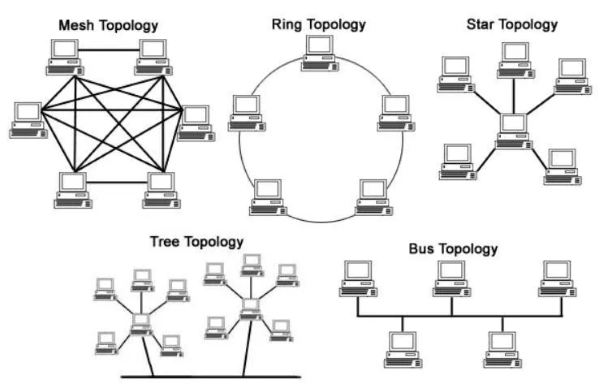
Network topology is a crucial part of ensuring that devices can communicate and transmit information effectively and securely. A network is composed of many different elements, including end devices, connecting devices, and transmission media.
WHAT IS SEO PROXY

End Devices

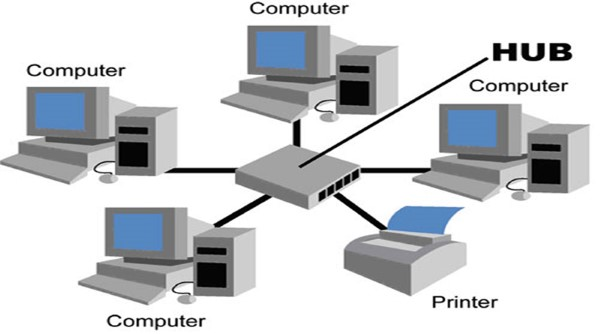
End devices are the devices that users interact with directly. They can include computers, smartphones, tablets, printers, and many other devices. The role of end devices is to send and receive data from different sources within the network.

Connecting Devices

Connecting devices such as switches, routers, hubs, and modems serve as bridges between end devices. They are responsible for forwarding data between devices and ensuring that information is transmitted in the correct direction. An effective network depends heavily on the quality and capabilities of these connecting devices.

Transmission Media

Transmission media is the environment through which information is transmitted. This can include fiber optic cables, coaxial cables, radio waves, and many other wireless technologies. The choice of transmission media affects the speed and reliability of the network.

Common Types of Networks Today

There are many types of networks, each serving different purposes and needs. Below are some of the most common network types today.

Local Area Network (LAN)
A LAN is a type of network that connects devices within a limited geographical area, such as an office or a home. This is the most common type of network due to its low cost and ease of management.

Key Characteristics

  • High speed: LANs typically offer fast data transfer speeds, ideal for sharing resources like printers and data.
  • Low cost: Building and maintaining a LAN is usually inexpensive, making it an ideal choice for many households and small businesses.

Wide Area Network (WAN)
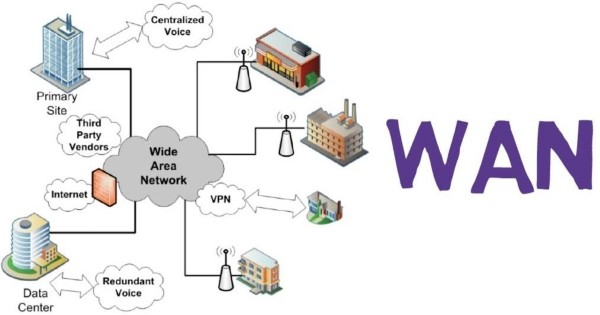
A WAN is a type of network that connects LANs together over a large geographical area such as a country or even globally.

Key Features

  • Higher cost: Due to complex technology and infrastructure requirements, WANs are typically more expensive than LANs.
  • Difficult management: Managing and maintaining a WAN requires higher levels of expertise.

Global Area Network (GAN)
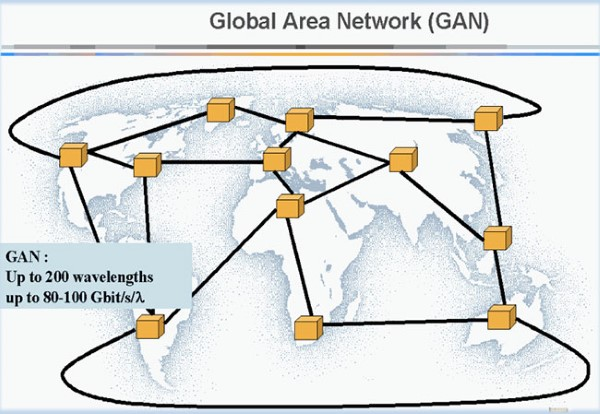
A GAN is an extension of a WAN, connecting millions of LANs worldwide.

Distinctive Properties

  • Unlimited connectivity: Everyone can connect with each other from anywhere in the world.
  • Diverse applications: GANs support many applications from e-commerce to social media.

Metropolitan Area Network (MAN)
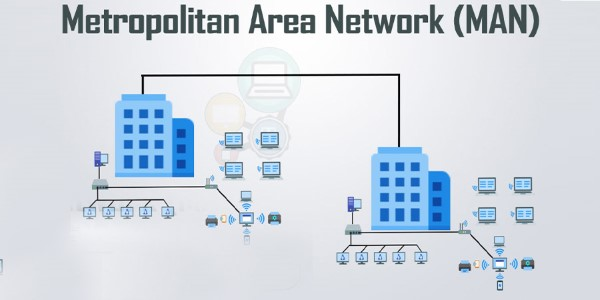
A MAN connects LANs within a city or metropolitan area, providing connectivity over a larger scope than LAN but smaller than WAN.

Advantages of MAN

  • Moderate speed: MANs typically offer fairly stable and fast data transfer speeds.
  • Reasonable cost: Compared to WAN, the cost of setting up and maintaining a MAN is much more reasonable.

Personal Area Network (PAN)
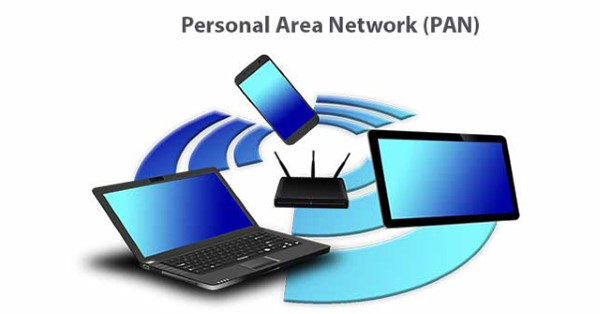
A PAN is used to connect personal devices within a close range, typically from a few meters to several tens of meters.

Applications and Potential

  • Personal device connectivity: Users can quickly connect laptops, smartphones, tablets, and other devices.
  • Wireless technology: Wi-Fi and Bluetooth are popular technologies used in PANs.

WHAT IS PROXY-PROXY SOLUTION

Advantages and Disadvantages of Networks

When considering networks, we need to look at both advantages and disadvantages for a comprehensive view.
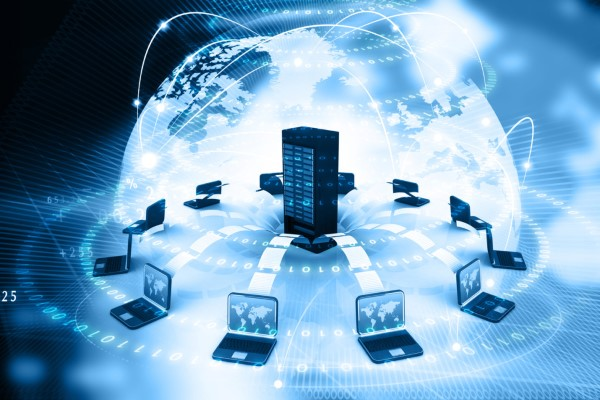
Advantages of Networks

Networks bring many benefits to individuals and organizations. Some notable advantages of networks include:

Resource Sharing One of the greatest benefits of networks is the ability to share resources. Users can easily share data, software, and devices such as printers or cameras.

Improved Work Efficiency Connectivity enables rapid exchange of information and documents, saving time and boosting work efficiency. As a result, teams and individuals can collaborate more easily.

Cost Reduction Sharing resources helps minimize investment costs for devices and software. Instead of purchasing individual devices separately, users can leverage the power of the network to optimize costs.

Global Connectivity Networks provide an open connectivity environment, allowing users to easily communicate with each other from anywhere in the world, creating new opportunities in work and daily life.

Disadvantages of Networks

However, networks also have some disadvantages that users should be aware of.

Security Risks

Networks can be attacked by malicious actors, leading to information leaks or loss of important data. This requires users to have effective cybersecurity measures in place.

Deployment Costs The cost of setting up and maintaining a network can be quite high, especially for large enterprises with complex infrastructure.

Complex Management Managing a large network requires specialized knowledge and experience. Without a capable IT team, technical issues can disrupt operations.

Technical Failures Networks may encounter technical issues such as lost connections, hardware failures, and more, causing inconvenience to users.

Applications of Networks

Networks have been and continue to impact all aspects of life, from economics, society, and education to entertainment. Below are some notable applications you can explore.

Resource and Information Sharing

Easily share resources such as printers, data, and software among devices within the same network. This not only saves time but also helps optimize workflows.

Easy Remote Access to Information

Users can easily access the vast repository of information on the internet from anywhere, as long as they have a network connection.

Convenient Personal Communication

Networks help connect people everywhere, at all times, facilitating communication and information exchange. Video calling and online chat applications like Skype and Zoom have become increasingly popular.

Enhanced Information Reliability and Security

Many modern network systems integrate advanced security measures to protect personal information and critical data from cyberattacks.

What is OpenStack? Benefits, applications, and how it works

Comparison Between Internet and Network

Although the Internet and networks are both concepts related to connectivity, they have important differences that users need to understand.
Internet

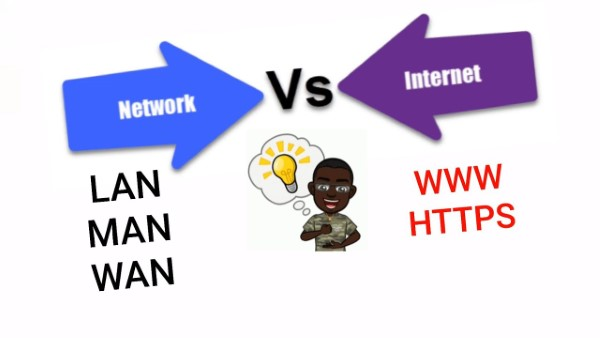
The Internet is a global network connecting billions of devices, allowing users to access information, communicate, and share data. The Internet connects different networks, allowing users to access a vast repository of information.

Network

Conversely, a network is a system connecting devices within a defined area such as an office or home. A network can be connected to the Internet, but not all networks are the Internet.

Key Differences

The main difference between these two concepts is the scope of connectivity. While the Internet is a global network, a network may be only a part of it, serving more specific needs.

Differences Between Public Network and Private Network

When learning about networks, there are two important concepts you need to know: Public Network and Private Network.
Public Network

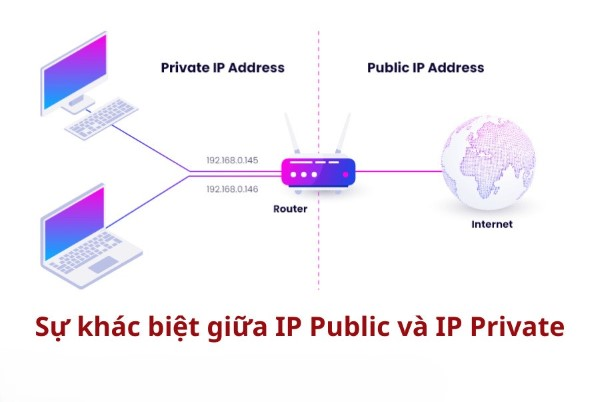
A Public Network is a public network that anyone can access. Examples include free Wi-Fi at coffee shops or airports. However, due to its public nature, the security of this type of network is usually not high.

Private Network

A Private Network is a private network that only allows a specific group of users to access. These networks are commonly used in organizations and businesses to protect sensitive information and data.

Key Highlights

The biggest difference between these two network types is access rights and security. While Public Networks are easy to access but less secure, Private Networks ensure safety but limit access.

Frequently Asked Questions About Networks

Before concluding this article, let's explore some common questions related to networks.

Is Wi-Fi a Network?

Yes, Wi-Fi is a form of network that allows devices to connect wirelessly to transmit data.

Why Do We Need to Use Networks?

Using networks helps optimize work processes, share resources and information, and connect people together.

What is the Purpose of Using a Network?

The main purpose is to create connections between devices to facilitate the exchange of information and resources quickly and efficiently.

What is an IT Network?

An IT Network refers to any network in which information technology devices are connected to share data and resources.

{{< test-result title="Comparison of Network Types" headers="Criteria|LAN|WAN|MAN|PAN" row1="Scope|Small (office, home)|Large (national, global)|City, metropolitan|Personal (a few meters)" row2="Speed|Very high|Medium - high|Medium|High" row3="Cost|Low|High|Medium|Low" row4="Security|High|Medium|Medium|High" row5="Management|Easy|Complex|Medium|Simple" />}}

Note

Networks are the foundation of all digitalization activities. Choosing the right network type (LAN, WAN, MAN, PAN) depends on the scope of use, budget, and security requirements of the organization.

Conclusion: Networks are an indispensable component of modern life, from resource sharing and communication to remote work. Understanding the structure, classification, and advantages and disadvantages of each network type helps you choose the most suitable solution for your personal and business needs.
Sources
Frequently Asked QuestionsQ&A

Network (mạng lưới) là hệ thống kết nối các thiết bị điện tử để trao đổi dữ liệu và chia sẻ tài nguyên. Bài viết phân tích chi tiết các loại network phổ biến (LAN, WAN, MAN, PAN, GAN), cấu trúc liên kết, ưu nhược điểm và ứng dụng thực tế.

Network là gì?

Network là gì? Mạng lưới (network) có thể được hiểu là một tập hợp các thiết bị điện tử, máy tính, máy in, và nhiều thiết bị khác được kết nối với nhau qua các đường truyền vật lý hoặc không dây để trao đổi dữ liệu và chia sẻ tài nguyên. Nói cách khác, network là một hệ thống liên kết mà trong đó các thiết bị có thể giao tiếp và tương tác với nhau một cách hiệu quả.

Định nghĩa cụ thể của network

Khi nói đến network, chúng ta thường nghĩ đến mạng Internet, mạng LAN hay WAN. Tuy nhiên, thực tế mạng lưới còn bao gồm nhiều loại hình khác nhau, từ các mạng nhỏ gọn trong gia đình cho đến các mạng lớn hơn như mạng toàn cầu. Mỗi loại mạng có cấu trúc và chức năng riêng, nhưng đều phục vụ mục đích chung là tạo ra sự kết nối giữa các thiết bị.

Tại sao cần có Network?

Mạng lưới là nền tảng cho mọi hoạt động số hóa hiện nay. Nó cho phép người dùng dễ dàng truy cập thông tin, giao tiếp cũng như chia sẻ dữ liệu mà không bị giới hạn bởi khoảng cách địa lý. Thông qua mạng lưới, chúng ta có thể làm việc từ xa, học tập trực tuyến và thậm chí là giải trí thông qua các dịch vụ trực tuyến.

Vai trò của network trong xã hội hiện đại

Mạng lưới không chỉ ảnh hưởng đến cá nhân mà còn tác động mạnh mẽ đến tổ chức và doanh nghiệp. Các công ty sử dụng mạng để tăng cường sự kết nối giữa các phòng ban và cải thiện quy trình làm việc. Mặt khác, mạng lưới cũng mang lại cơ hội cho các doanh nghiệp nhỏ phát triển thông qua thương mại điện tử, mở rộng tầm nhìn ra thị trường toàn cầu.

Cấu trúc liên kết của network

Cấu trúc liên kết của một mạng lưới là một phần quan trọng để đảm bảo rằng các thiết bị có thể giao tiếp và truyền tải thông tin một cách hiệu quả và an toàn. Một mạng lưới được cấu thành từ nhiều phần tử khác nhau, bao gồm thiết bị đầu cuối, thiết bị kết nối, và phương tiện truyền dẫn.

Thiết bị đầu cuối

Thiết bị đầu cuối là những thiết bị mà người dùng trực tiếp tương tác. Chúng có thể bao gồm máy tính, điện thoại thông minh, máy tính bảng, máy in, và nhiều thiết bị khác. Vai trò của các thiết bị đầu cuối là gửi và nhận dữ liệu từ các nguồn khác nhau trong mạng.

Thiết bị kết nối

Các thiết bị kết nối như switch, router, hub và modem là cầu nối giữa các thiết bị đầu cuối. Chúng chịu trách nhiệm chuyển tiếp dữ liệu giữa các thiết bị và đảm bảo rằng thông tin được truyền đi đúng hướng. Một mạng lưới hiệu quả phụ thuộc rất nhiều vào chất lượng và khả năng của các thiết bị kết nối này.

Phương tiện truyền dẫn

Phương tiện truyền dẫn là môi trường mà qua đó thông tin được truyền tải. Điều này có thể bao gồm cáp quang, cáp đồng trục, sóng radio và nhiều công nghệ không dây khác. Sự lựa chọn phương tiện truyền dẫn ảnh hưởng đến tốc độ và độ tin cậy của mạng lưới.

Các loại network phổ biến hiện nay

Có nhiều loại mạng lưới, mỗi loại phục vụ cho các mục đích và nhu cầu khác nhau. Dưới đây là một số loại mạng phổ biến hiện nay.

Mạng cục bộ (Local Area Network – LAN)

Mạng LAN là loại mạng kết nối các thiết bị trong một khu vực địa lý hạn chế, như văn phòng hay ngôi nhà. Đây là kiểu mạng phổ biến nhất do chi phí thấp và dễ dàng quản lý.

Đặc điểm nổi bật

  • Tốc độ cao: Mạng LAN thường có tốc độ truyền tải dữ liệu nhanh chóng, thích hợp cho việc chia sẻ tài nguyên như máy in và dữ liệu.
  • Chi phí thấp: Việc xây dựng và duy trì mạng LAN thường không tốn kém, làm cho nó trở thành lựa chọn lý tưởng cho nhiều hộ gia đình và doanh nghiệp nhỏ.

Mạng diện rộng (Wide Area Network – WAN)

Mạng WAN là loại mạng kết nối các mạng LAN lại với nhau trên một phạm vi rộng lớn như quốc gia hoặc thậm chí là toàn cầu.

Tính năng đặc trưng

  • Chi phí cao hơn: Do yêu cầu công nghệ và hạ tầng phức tạp, mạng WAN thường tốn kém hơn so với mạng LAN.
  • Quản lý khó khăn: Quá trình quản lý và bảo trì mạng WAN đòi hỏi kiến thức chuyên môn cao hơn.

Mạng toàn cầu (Global Area Network – GAN)

Mạng GAN là hình thức mở rộng của mạng WAN, kết nối hàng triệu mạng LAN trên toàn cầu.

Tính chất riêng biệt

  • Khả năng kết nối không giới hạn: Mọi người có thể kết nối với nhau từ bất kỳ nơi nào trên thế giới.
  • Ứng dụng đa dạng: Gan hỗ trợ nhiều ứng dụng từ thương mại điện tử đến truyền thông xã hội.

Mạng đô thị (Metropolitan Area Network – MAN)

Mạng MAN kết nối các mạng LAN trong một thành phố hoặc khu vực đô thị, mang đến khả năng kết nối trong phạm vi lớn hơn so với LAN nhưng nhỏ hơn WAN.

Ưu điểm của mạng MAN

  • Tốc độ trung bình: Mạng MAN thường có tốc độ truyền tải dữ liệu khá ổn định và nhanh.
  • Chi phí hợp lý: So với WAN, chi phí để thiết lập và duy trì một mạng MAN là hợp lý hơn nhiều.

Mạng cá nhân (Personal Area Network – PAN)

Mạng PAN được sử dụng để kết nối các thiết bị cá nhân trong một khoảng cách gần, thường là từ vài mét đến vài chục mét.

Ứng dụng và tiềm năng

  • Kết nối thiết bị cá nhân: Người dùng có thể kết nối laptop, smartphone, tablet và các thiết bị khác một cách nhanh chóng.
  • Sử dụng công nghệ không dây: Wi-Fi, Bluetooth là những công nghệ phổ biến trong mạng PAN.

Ưu điểm và nhược điểm của network

Khi xem xét về network, chúng ta cần nhìn nhận tổng quan cả ưu điểm và nhược điểm để có cái nhìn toàn diện hơn.

Ưu điểm của network

Mạng lưới mang lại nhiều lợi ích cho cá nhân và tổ chức, một số ưu điểm nổi bật của network như sau:

Chia sẻ tài nguyên Một trong những lợi ích lớn nhất của mạng lưới là khả năng chia sẻ tài nguyên. Người dùng có thể dễ dàng chia sẻ dữ liệu, phần mềm và các thiết bị như máy in hoặc camera.

Cải thiện hiệu suất làm việc

Sự kết nối cho phép trao đổi thông tin và tài liệu nhanh chóng, giúp tiết kiệm thời gian và nâng cao hiệu suất làm việc. Nhờ đó, các nhóm và cá nhân có thể cộng tác dễ dàng hơn.

Giảm chi phí Việc chia sẻ tài nguyên giúp giảm thiểu chi phí đầu tư cho các thiết bị và phần mềm. Thay vì mua sắm từng thiết bị riêng biệt, người dùng có thể tận dụng sức mạnh của mạng để tối ưu hóa chi phí.

Kết nối toàn cầu Mạng lưới cung cấp một môi trường kết nối mở, giúp người dùng dễ dàng giao tiếp với nhau từ bất kỳ đâu trên thế giới, tạo ra những cơ hội mới trong công việc và cuộc sống hàng ngày.

Nhược điểm của network

Tuy nhiên, mạng lưới cũng tồn tại một số nhược điểm mà người sử dụng cần lưu ý.

Nguy cơ bảo mật

Mạng lưới có thể bị tấn công bởi những phần tử xấu, dẫn đến rò rỉ thông tin hoặc mất dữ liệu quan trọng. Điều này đòi hỏi người dùng phải có các biện pháp bảo vệ an ninh mạng hiệu quả.

Chi phí triển khai Chi phí để thiết lập và duy trì một mạng lưới có thể khá cao, đặc biệt đối với những doanh nghiệp lớn với hạ tầng phức tạp.

Quản lý phức tạp Quá trình quản lý một mạng lưới lớn đòi hỏi kiến thức chuyên môn và kinh nghiệm. Nếu không có đội ngũ IT đủ năng lực, vấn đề kỹ thuật có thể gây gián đoạn hoạt động.

Sự cố kỹ thuật Mạng lưới có thể gặp phải các sự cố kỹ thuật như mất kết nối, lỗi phần cứng… gây ra sự bất tiện cho người sử dụng.

Các ứng dụng của network

Mạng lưới đã và đang tác động đến mọi mặt của cuộc sống, từ kinh tế, xã hội, giáo dục đến giải trí. Dưới đây là một số ứng dụng tiêu biểu mà bạn có thể tham khảo.

Chia sẻ tài nguyên và thông tin

Dễ dàng chia sẻ tài nguyên như máy in, dữ liệu và phần mềm giữa các thiết bị trong cùng một mạng lưới. Điều này không chỉ tiết kiệm thời gian mà còn giúp tối ưu hóa quy trình làm việc.

Truy cập thông tin từ xa dễ dàng

Người dùng có thể dễ dàng truy cập vào kho thông tin khổng lồ trên internet từ bất kỳ đâu, miễn là họ có kết nối mạng.

Giao tiếp cá nhân thuận tiện

Mạng lưới giúp kết nối mọi người với nhau ở mọi nơi, mọi lúc, tạo điều kiện cho giao tiếp và trao đổi thông tin. Các ứng dụng gọi video, chat trực tuyến như Skype hay Zoom đã ngày càng phổ biến.

Tăng cường độ tin cậy và bảo mật thông tin

Nhiều hệ thống mạng hiện nay tích hợp các biện pháp bảo mật tiên tiến, giúp bảo vệ thông tin cá nhân và dữ liệu quan trọng khỏi các cuộc tấn công mạng.

Openstack là gì? Lợi ích, ứng dụng và cách hoạt động

So sánh giữa Internet và network

Mặc dù Internet và network đều là những khái niệm liên quan đến việc kết nối, nhưng chúng có những khác biệt quan trọng mà người sử dụng cần nắm rõ.

Internet

Internet là một mạng lưới toàn cầu kết nối hàng tỷ thiết bị, cho phép người dùng truy cập thông tin, giao tiếp và chia sẻ dữ liệu. Internet kết nối các mạng lưới khác nhau, cho phép người dùng truy cập vào một kho thông tin khổng lồ.

Network

Ngược lại, mạng lưới là một hệ thống kết nối giữa các thiết bị trong một khu vực xác định như văn phòng hay gia đình. Mạng lưới có thể được kết nối với Internet nhưng không phải tất cả các mạng lưới đều là Internet.

Điểm khác biệt chính

Điểm khác biệt chủ yếu giữa hai khái niệm này chính là phạm vi kết nối. Trong khi Internet là một mạng lưới toàn cầu, thì mạng lưới có thể chỉ là một phần trong đó, phục vụ cho các nhu cầu cụ thể hơn.

Sự khác biệt giữa Public Network và Private Network

Khi tìm hiểu về network, có hai khái niệm quan trọng mà bạn cần biết, đó là Public Network và Private Network.

Public Network

Public Network là các mạng lưới công cộng mà bất kỳ ai cũng có thể truy cập. Ví dụ như Wi-Fi miễn phí tại quán cà phê hay sân bay. Tuy nhiên, do tính công cộng, bảo mật của loại mạng này thường không cao.

Private Network

Private Network là mạng lưới riêng tư chỉ cho phép một nhóm người dùng nhất định truy cập. Những mạng này thường được sử dụng trong các tổ chức, doanh nghiệp để bảo vệ thông tin và dữ liệu nhạy cảm.

Điểm nổi bật

Sự khác biệt lớn nhất giữa hai loại mạng này là quyền truy cập và bảo mật. Trong khi Public Network dễ dàng truy cập nhưng kém bảo mật, thì Private Network bảo đảm an toàn nhưng giới hạn về quyền truy cập.

Một số câu hỏi thường gặp về network

Trước khi kết thúc bài viết, hãy cùng tìm hiểu thêm một số câu hỏi phổ biến liên quan đến network.

Mạng Wi-Fi có phải là network không?

Có, mạng Wi-Fi chính là một dạng của network, cho phép các thiết bị kết nối không dây để truyền tải dữ liệu.

Tại sao cần sử dụng network?

Việc sử dụng network giúp tối ưu hóa quá trình làm việc, chia sẻ tài nguyên và thông tin, đồng thời kết nối mọi người lại với nhau.

Mục đích sử dụng network là gì?

Mục đích chính là để tạo ra sự liên kết giữa các thiết bị nhằm phục vụ cho việc trao đổi thông tin và tài nguyên một cách nhanh chóng và hiệu quả.

IT Network là gì?

IT Network đề cập đến bất kỳ mạng lưới nào mà các thiết bị công nghệ thông tin kết nối với nhau để chia sẻ dữ liệu và tài nguyên.

{{< test-result title="So sanh cac loai Network" headers="Tieu chi|LAN|WAN|MAN|PAN" row1="Pham vi|Nho (van phong, nha)|Rong (quoc gia, toan cau)|Thanh pho, do thi|Ca nhan (vai met)" row2="Toc do|Rat cao|Trung binh - cao|Trung binh|Cao" row3="Chi phi|Thap|Cao|Trung binh|Thap" row4="Bao mat|Cao|Trung binh|Trung binh|Cao" row5="Quan ly|De dang|Phuc tap|Trung binh|Don gian" />}}

Ghi chú

Network la nen tang cua moi hoat dong so hoa. Lua chon loai mang phu hop (LAN, WAN, MAN, PAN) tuy thuoc vao pham vi su dung, ngan sach va yeu cau bao mat cua to chuc.

Ket luan: Mang luoi (network) la thanh phan khong the thieu trong cuoc song hien dai, tu chia se tai nguyen, giao tiep den lam viec tu xa. Viec hieu ro cau truc, phan loai va uu nhuoc diem cua tung loai mang giup ban lua chon giai phap phu hop nhat cho nhu cau ca nhan va doanh nghiep.

Nguồn tham khảo
Câu hỏi thường gặpQ&A