What is mTLS? Pros, Cons, Applications and How It Works
Networking

What is mTLS? Pros, Cons, Applications and How It Works

mTLS (Mutual TLS) is a security protocol with two-way authentication between client and server. Learn how it works, pros, cons, and deployment guide.

✦ Quick summary
mTLS (Mutual TLS) is a security protocol with two-way authentication between client and server. Learn how it works, pros, cons, and deployment guide.
How was this post?

mTLS (Mutual TLS) is an enhanced security protocol that requires both client and server to authenticate each other's identity. This article explains what mTLS is, how it works, its pros and cons, and a deployment guide.

What is mTLS?

mTLS (Mutual Transport Layer Security) is an enhanced version of TLS that requires both client and server to authenticate each other's identity through digital certificates. While standard TLS only requires the server to prove its identity, mTLS adds the step where the client must also present a valid certificate.

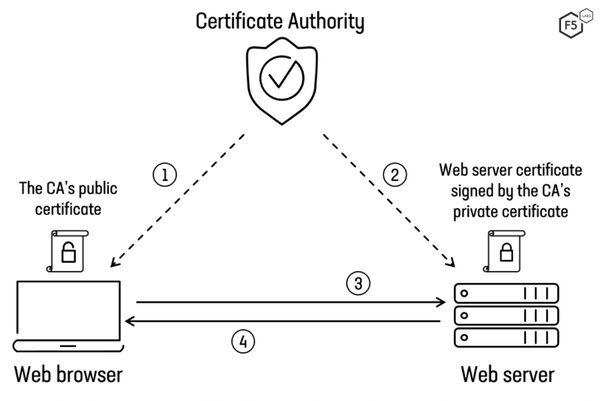
Digital certificates are issued by a trusted Certificate Authority (CA) and contain identity information, domain name, and validity period. mTLS creates a dual security layer — ensuring both parties are legitimate before exchanging data.

How mTLS Works
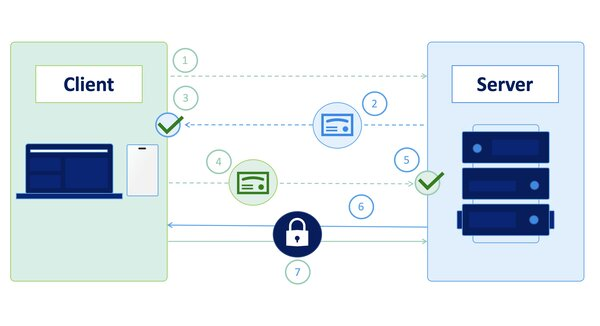
The mTLS handshake process consists of these steps:

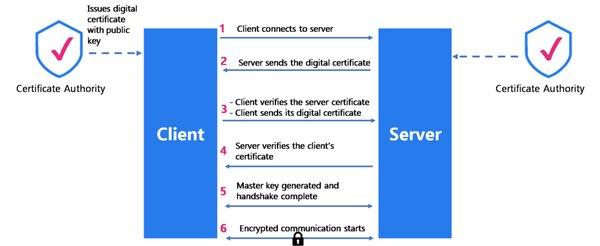
  1. Client sends connection request (ClientHello) to server with a list of supported cipher suites.
  2. Server responds (ServerHello) with the selected cipher suite and sends its SSL certificate.
  3. Client verifies server certificate — checks CA, validity period, domain name.
  4. Server requests client certificate (CertificateRequest) — this is the step that differentiates mTLS from TLS.
  5. Client sends its certificate to the server.
  6. Server verifies client certificate — checks CA, validity period, access rights.
  7. Encrypted channel is established — both sides exchange session keys to encrypt data.

The entire process takes just a few hundred milliseconds. After successful handshake, all transmitted data is encrypted and authenticated.

Benefits and Applications
Two-way Authentication: Both client and server must prove their identity, preventing unauthorized access and impersonation.

Man-in-the-Middle (MITM) Protection: Attackers cannot intercept connections because they lack valid certificates to pass authentication.

Data Protection in Transit: End-to-end encryption — even if data is intercepted on an insecure network, it cannot be decrypted.

Common Applications:

  • Microservices: Authentication between services in Kubernetes, Istio service mesh.
  • Zero Trust Network: Every connection must be authenticated, no default trust.
  • Internal APIs: Securing APIs between backend systems not exposed to public Internet.
  • IoT: Authenticating IoT devices connecting to central servers.
  • Finance and Healthcare: Compliance with PCI DSS, HIPAA security regulations.

What is SSL? The Importance of SSL Certificates

mTLS Deployment Guide

Step 1 — Install server certificate: Choose a trusted CA (Let's Encrypt, DigiCert, or Internal CA), create a CSR (Certificate Signing Request), and install the SSL certificate on your server.

Step 2 — Configure server to require client certificates: Update your web server or application configuration to enable ssl_verify_client on (Nginx) or SSLVerifyClient require (Apache). Specify the CA trust store containing the list of accepted CAs.

Step 3 — Install certificates on clients: Issue certificates to each client from an internal CA or trusted CA. Configure client applications to use their certificates when connecting to the server.

mTLS Deployment Considerations

Set up automated certificate renewal before expiration. Expired certificates will disrupt all connections. Use tools like cert-manager (Kubernetes) or HashiCorp Vault to manage certificate lifecycle.

TLS vs mTLS Comparison
Criteria TLS mTLS
Authentication One-way (server only) Two-way (server + client)
Client Certificate Not required Required
Security Encrypts data in transit Encryption + two-way authentication
MITM Protection Partial Stronger
Complexity Easy to deploy More complex
Performance Low overhead Higher overhead (handshake)
Certificate Management Server only Server + all clients
Use Cases Websites, email, apps Microservices, APIs, IoT, Zero Trust

When to use TLS: Public websites, standard web applications, email — where only server authentication is needed.

When to use mTLS: Microservices, internal APIs, IoT, financial systems — where both parties need authentication and high security.

mTLS Performance Tips

Use TLS session resumption to reduce handshake overhead for repeated connections. Combine mTLS with connection pooling to reuse authenticated connections.

What is 2FA? How Two-Factor Authentication Works

Conclusion: mTLS is a powerful security solution with two-way authentication, especially suitable for microservices, internal APIs, and Zero Trust architecture. While more complex to deploy than TLS, mTLS provides superior security for high-requirement systems.

Sources

Frequently Asked Questions

Frequently Asked QuestionsQ&A
What is mTLS?
mTLS (Mutual Transport Layer Security) is an enhanced security protocol of TLS that requires both client and server to authenticate each other's identity through digital certificates before establishing a connection.
How is mTLS different from TLS?
TLS only authenticates the server (one-way), the client doesn't need a certificate. mTLS authenticates both ways — both client and server must present valid digital certificates.
Where is mTLS used?
mTLS is common in microservices architecture, internal APIs, Zero Trust Networks, IoT, financial services, healthcare, and systems requiring high security.
What are the disadvantages of mTLS?
mTLS is more complex to deploy than TLS, requires certificate management for both client and server, adds handshake overhead, and can impact performance with high traffic.
How do you implement mTLS?
Three main steps: (1) Install SSL certificate on server from a trusted CA, (2) Configure server to require client certificates, (3) Install certificates on connecting clients.

mTLS (Mutual TLS) là giao thức bảo mật nâng cao yêu cầu cả client và server xác thực danh tính lẫn nhau. Bài viết giúp bạn hiểu rõ mTLS là gì, cách hoạt động, ưu nhược điểm và hướng dẫn triển khai.

mTLS là gì?

mTLS (Mutual Transport Layer Security) là phiên bản nâng cao của TLS, yêu cầu cả client và server xác thực danh tính lẫn nhau thông qua chứng chỉ số (digital certificate). Trong khi TLS thông thường chỉ yêu cầu server chứng minh danh tính, mTLS thêm bước client cũng phải trình chứng chỉ hợp lệ.

Chứng chỉ số được cấp bởi Certificate Authority (CA) đáng tin cậy, chứa thông tin danh tính, tên miền và thời hạn hiệu lực. mTLS tạo ra lớp bảo mật kép — đảm bảo cả hai bên đều là đối tượng hợp lệ trước khi trao đổi dữ liệu.

Cách thức hoạt động của mTLS

Quy trình handshake mTLS gồm các bước:

  1. Client gửi yêu cầu kết nối (ClientHello) đến server kèm danh sách cipher suite hỗ trợ.
  2. Server phản hồi (ServerHello) với cipher suite đã chọn và gửi chứng chỉ SSL của mình.
  3. Client xác thực chứng chỉ server — kiểm tra CA, thời hạn, tên miền.
  4. Server yêu cầu chứng chỉ client (CertificateRequest) — đây là bước khác biệt so với TLS.
  5. Client gửi chứng chỉ của mình đến server.
  6. Server xác thực chứng chỉ client — kiểm tra CA, thời hạn, quyền truy cập.
  7. Kênh mã hóa được thiết lập — cả hai bên trao đổi khóa phiên (session key) để mã hóa dữ liệu.

Toàn bộ quá trình diễn ra trong vài trăm mili giây. Sau khi handshake thành công, mọi dữ liệu truyền tải đều được mã hóa và xác thực.

Lợi ích và ứng dụng

Xác thực hai chiều: Cả client và server đều phải chứng minh danh tính, ngăn chặn truy cập trái phép và giả mạo.

Chống tấn công Man-in-the-Middle (MITM): Kẻ tấn công không thể xen vào giữa vì không có chứng chỉ hợp lệ để vượt qua xác thực.

Bảo vệ dữ liệu truyền tải: Mã hóa end-to-end, ngay cả khi dữ liệu bị chặn trên mạng không an toàn cũng không thể giải mã.

Ứng dụng phổ biến:

  • Microservices: Xác thực giữa các service trong Kubernetes, Istio service mesh.
  • Zero Trust Network: Mọi kết nối đều phải xác thực, không tin tưởng mặc định.
  • API nội bộ: Bảo vệ API giữa các hệ thống backend không qua public Internet.
  • IoT: Xác thực thiết bị IoT kết nối đến server trung tâm.
  • Tài chính và y tế: Tuân thủ quy định bảo mật PCI DSS, HIPAA.

Hướng dẫn triển khai mTLS

Bước 1 — Cài đặt chứng chỉ server: Chọn CA đáng tin cậy (Let's Encrypt, DigiCert, hoặc Internal CA), tạo CSR (Certificate Signing Request) và cài đặt chứng chỉ SSL lên server.

Bước 2 — Cấu hình server yêu cầu chứng chỉ client: Cập nhật cấu hình web server hoặc ứng dụng để bật ssl_verify_client on (Nginx) hoặc SSLVerifyClient require (Apache). Chỉ định CA trust store chứa danh sách CA được chấp nhận.

Bước 3 — Cài đặt chứng chỉ cho client: Cấp chứng chỉ cho từng client từ CA nội bộ hoặc CA đáng tin cậy. Cấu hình ứng dụng client sử dụng chứng chỉ khi kết nối đến server.

Lưu ý khi triển khai mTLS

Thiết lập quy trình tự động gia hạn chứng chỉ trước khi hết hạn. Chứng chỉ hết hạn sẽ làm gián đoạn toàn bộ kết nối. Sử dụng công cụ như cert-manager (Kubernetes) hoặc HashiCorp Vault để quản lý vòng đời chứng chỉ.

So sánh TLS và mTLS

Tiêu chí TLS mTLS
Xác thực Một chiều (chỉ server) Hai chiều (server + client)
Chứng chỉ client Không yêu cầu Bắt buộc
Bảo mật Mã hóa dữ liệu truyền tải Mã hóa + xác thực hai bên
Chống MITM Một phần Mạnh hơn
Độ phức tạp Dễ triển khai Phức tạp hơn
Hiệu suất Overhead thấp Overhead cao hơn (handshake)
Quản lý chứng chỉ Chỉ server Server + tất cả client
Ứng dụng Website, email, app Microservices, API, IoT, Zero Trust

Khi nào dùng TLS: Website công cộng, ứng dụng web thông thường, email — nơi chỉ cần xác thực server.

Khi nào dùng mTLS: Microservices, API nội bộ, IoT, hệ thống tài chính — nơi cần xác thực cả hai bên và bảo mật cao.

Mẹo tối ưu hiệu suất mTLS

Sử dụng TLS session resumption để giảm overhead handshake cho các kết nối lặp lại. Kết hợp mTLS với connection pooling để tái sử dụng kết nối đã xác thực.

Kết luận: mTLS là giải pháp bảo mật mạnh mẽ với xác thực hai chiều, đặc biệt phù hợp cho microservices, API nội bộ và kiến trúc Zero Trust. Dù phức tạp hơn TLS khi triển khai, mTLS mang lại mức bảo mật vượt trội cho các hệ thống yêu cầu cao.

Nguồn tham khảo

SSL là gì? Tầm quan trọng của chứng chỉ SSL

2FA là gì? Xác thực hai yếu tố hoạt động như thế nào

Câu hỏi thường gặp

Câu hỏi thường gặpQ&A
mTLS là gì?
mTLS (Mutual Transport Layer Security) là giao thức bảo mật nâng cao của TLS, yêu cầu cả client và server xác thực danh tính lẫn nhau thông qua chứng chỉ số trước khi thiết lập kết nối.
mTLS khác TLS như thế nào?
TLS chỉ xác thực server (một chiều), client không cần chứng chỉ. mTLS xác thực cả hai chiều — cả client và server đều phải trình chứng chỉ số hợp lệ.
mTLS được sử dụng ở đâu?
mTLS phổ biến trong kiến trúc microservices, API nội bộ, Zero Trust Network, IoT, dịch vụ tài chính, y tế và các hệ thống yêu cầu bảo mật cao.
mTLS có nhược điểm gì?
mTLS phức tạp hơn TLS khi triển khai, cần quản lý chứng chỉ cho cả client lẫn server, tăng overhead cho handshake và có thể ảnh hưởng hiệu suất với lưu lượng lớn.
Làm thế nào để triển khai mTLS?
Ba bước chính: (1) Cài đặt chứng chỉ SSL cho server từ CA đáng tin cậy, (2) Cấu hình server yêu cầu chứng chỉ client, (3) Cài đặt chứng chỉ cho các client kết nối.