Mo hinh OSI la nen tang ly thuyet quan trong de hieu cach mang may tinh hoat dong. Trong thuc te, mo hinh TCP/IP duoc su dung rong rai hon nhung OSI van la cong cu huu ich cho viec hoc tap va phan tich su co mang.
The OSI model (Open Systems Interconnection) is a network reference model consisting of 7 layers that standardizes the communication process between devices. This article provides a detailed analysis of each layer's functions, protocols, how the model works, and a comparison with the TCP/IP model.
2019Trusted since
B2BData solutions
Data·AIExpertise
Need data solutions for your business?
AlgoData has helped businesses with data engineering, analytics & AI since 2019.
The OSI model is a network reference model developed by the International Organization for Standardization (ISO) in 1984. The primary goal of this model is to provide a standardized structure for designing and deploying networks, ensuring that devices from different manufacturers can communicate with each other effectively and compatibly.
The OSI model breaks down the network communication process into seven distinct layers, each responsible for specific tasks, from data transmission to encoding and decoding information. Thanks to this division, the OSI model makes it easier to improve, maintain, and develop modern network systems.
Main Purposes of the OSI Model
The main purpose of the OSI model is to create a standard framework for designing and developing computer networks. Below are the specific objectives this model aims to achieve:
Providing a Clear Framework
The OSI model provides a clear framework for engineers and developers in designing and developing networks. Each layer in the model has its own responsibilities, making it easy to identify errors and improvements during development.
Ensuring Compatibility
The OSI model promotes compatibility between different network systems. Through standardization, devices from various manufacturers can easily interact and work together without encountering compatibility issues.
Supporting Education and Training
With its clear seven-layer division, the OSI model is extremely useful for education and training. It provides favorable conditions for students and learners to grasp how complex network systems operate.
The OSI model plays an extremely important role in the modern technology world. Below are the main reasons why this model is highly valued in the field of computer networking:
Understanding Complex Systems
The OSI model helps users and engineers better understand how complex network systems operate. When you can analyze and break down the components of a network, you can more easily identify problems and find solutions.
Accelerating Research and Development
Using the OSI model helps speed up research and development in network technology. When principles and rules are standardized, development teams can focus on creating new applications and services instead of solving compatibility issues.
Flexible Standardization
The OSI model provides a flexible yet sufficiently strict standard to ensure that new applications and systems can interact with each other seamlessly. This is particularly useful in the context of rapidly evolving technology.
Protocols in the OSI Model
Protocols are a critical part of the OSI model, as they determine how layers communicate and exchange information with each other. There are two main types of protocols in the OSI model:
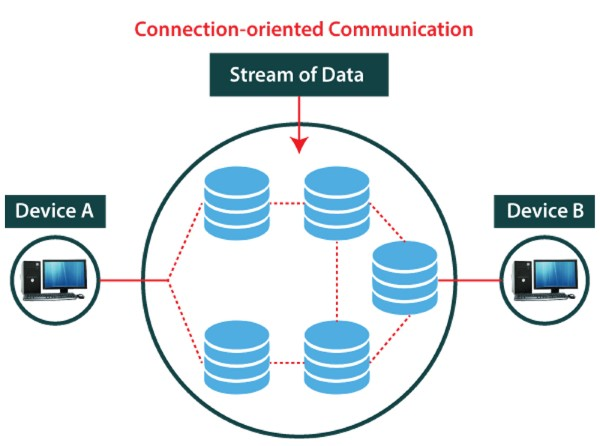
Connection-Oriented Protocol
Connection-oriented protocols require a stable connection between sending and receiving devices before transmitting data. A typical example of this type of protocol is TCP (Transmission Control Protocol). TCP ensures that data packets are sent safely and accurately, while also controlling data transmission to ensure no packets are lost during the process.
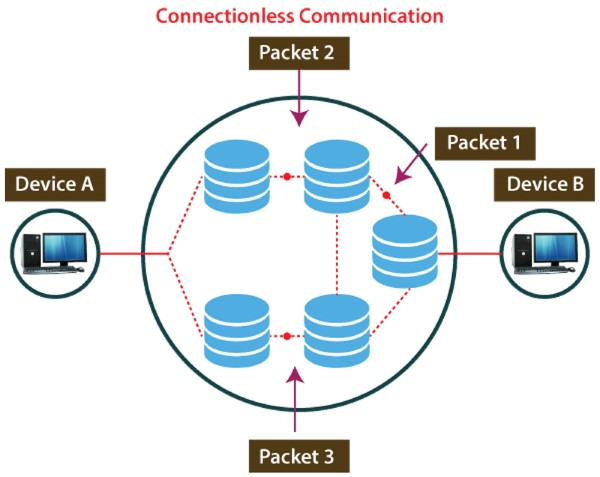
Connectionless Protocol
Unlike connection-oriented protocols, connectionless protocols do not require establishing a connection before transmitting data. UDP (User Datagram Protocol) is a typical example of this type. Although UDP has faster transmission speeds, it does not guarantee that all data packets are sent or received completely, which can lead to data loss.
Detailed Roles and Functions of the 7 OSI Layers
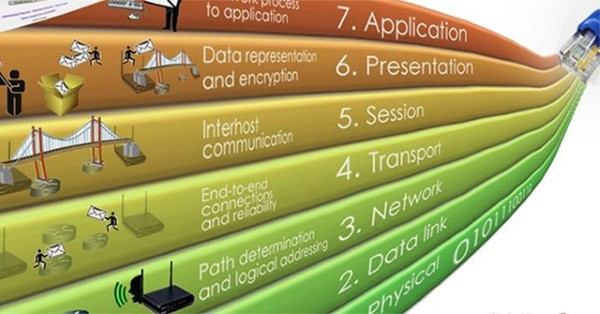
The OSI model is divided into seven distinct layers, each performing specific functions and interacting with each other to complete the network communication process. Below is an overview of these seven layers:
Layer 7 – Application Layer
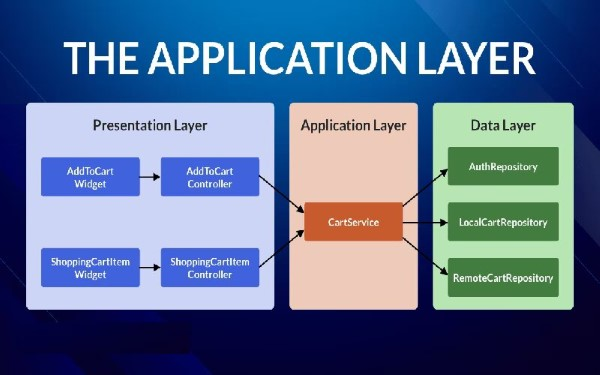
The Application layer is the highest layer in the OSI model and provides an interface for end users. It interacts directly with the applications that users are using, such as web browsers, email applications, or FTP software.
The main functions of the Application layer include providing services such as email, file storage, and web protocols. This layer handles data transmission between users and network services.
Layer 6 – Presentation Layer
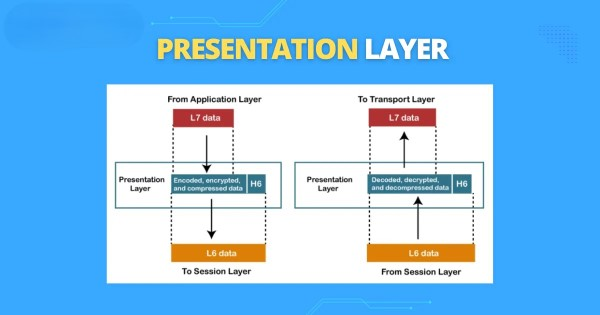
The Presentation layer is responsible for encoding and decoding data to ensure that information transmitted between applications can be understood. It also performs functions such as data compression and format conversion.
For example, if an application sends data in plain text format, the Presentation layer may convert this text to HTML format before sending.
Layer 5 – Session Layer
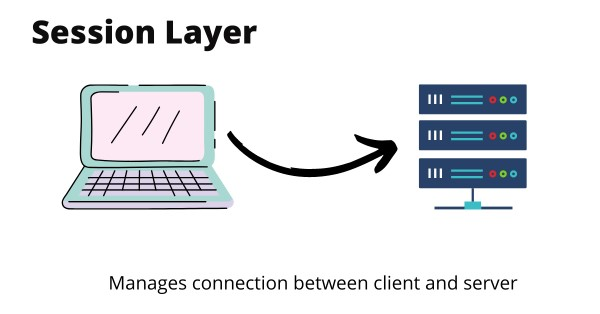
The Session layer manages the timing and conditions of connections between applications. It establishes, maintains, and terminates working sessions between applications on different devices.
This is particularly important in video calls or online conferences, where maintaining a stable and synchronized connection is essential.
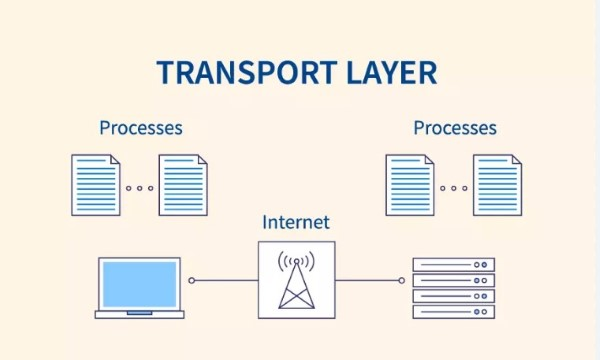
The Transport layer ensures that data is transmitted reliably from source to destination. It can divide data into segments, ensuring that every data segment is sent to the correct address and in the correct order.
Notable protocols in the Transport layer include TCP and UDP, with TCP providing reliability and UDP providing speed.
Layer 3 – Network Layer
The Network layer is responsible for routing data across different networks. It uses IP addresses to determine the destination of data and finds the shortest path for data transmission.
This is extremely important in ensuring that data is sent to the correct destination quickly and efficiently.
Layer 2 – Data Link Layer
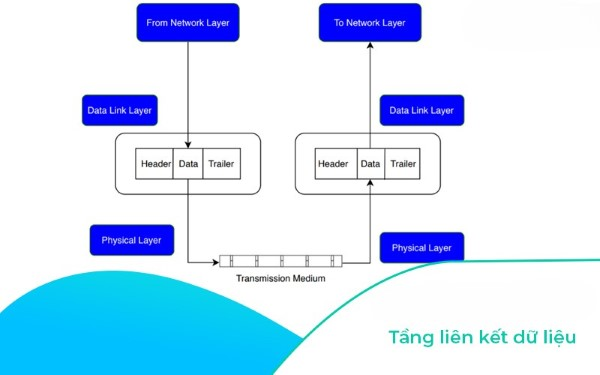
The Data Link layer ensures data transmission between adjacent nodes on the network. It divides data into frames and adds control information for error detection and correction.
Common protocols in this layer include Ethernet, Wi-Fi, and PPP.
Layer 1 – Physical Layer
Layer 1 – Physical Layer
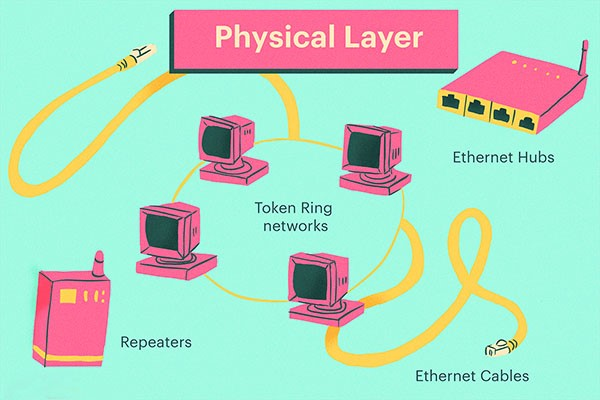
The Physical layer is the lowest layer in the OSI model and is responsible for transmitting electrical or optical signals between devices. It defines the physical characteristics of the transmission medium, including cable type, transmission speed, voltage, etc.
This means the Physical layer directly affects the speed and quality of data transmission.
How the OSI Model Works
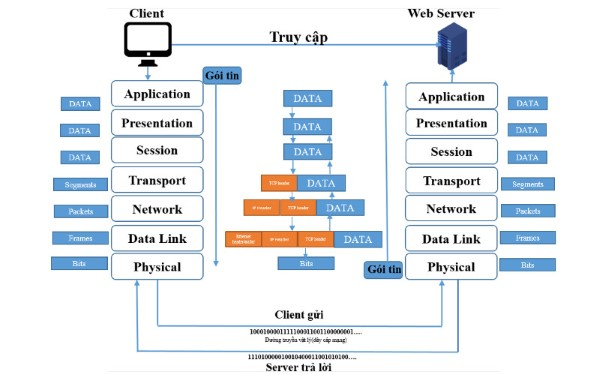
The OSI model operates on a top-down and bottom-up principle. When a device sends data, it passes through the model's layers from the Application layer down to the Physical layer, after which the signal is transmitted through the physical channel. On the receiving end, the signal travels back in reverse order from the Physical layer to the Application layer.
Example of Data Transmission in the OSI Model
Imagine you are sending an email to a friend. The data transmission process works as follows:
Application Layer: You open your email application and compose the email content.
Presentation Layer: The email may be encrypted for security.
Session Layer: This layer establishes a connection between your email application and the email server.
Transport Layer: The email is divided into segments and each segment is assigned an address.
Network Layer: This layer finds the best path to send the email to the recipient's email server.
Data Link Layer: Creates data frames and adds control information for accurate transmission.
Physical Layer: Converts data into electrical or optical signals for transmission over the network.
How Data Transmission Works in the OSI Model
When a device sends data, the transmission process goes through the following steps:
Data Encapsulation: Data is encapsulated at each layer. Each layer adds control information and formatting.
Transmission: Data is transmitted through the physical medium. During this process, data may encounter issues such as interference or packet loss.
Decoding and Processing: When data reaches its destination, it passes through each layer of the OSI model in reverse order. Each layer removes the control information that was added during the sending process.
Advantages and Disadvantages of the OSI Model
The OSI model offers many benefits but also has its limitations.
Advantages of the OSI Model
Easy to Understand and Learn: With seven clearly defined layers, the OSI model is easy for learners and engineers to grasp.
High Abstraction: Provides an overview of the communication process without depending on specific technologies.
Simpler Design and Development: The OSI model simplifies the network design and development process.
Compatibility: Enables network systems from different manufacturers to communicate with each other.
Complexity: The OSI model is quite complex with many layers and different tasks, making implementation difficult.
Rarely Fully Implemented: In practice, the model is rarely implemented in full; other models like TCP/IP are typically used instead.
Performance: Dividing the communication process into many layers can reduce network performance.
Alternatives to the OSI Model
While the OSI model is a useful tool, there are other options that may be more suitable in certain situations.
TCP/IP Model
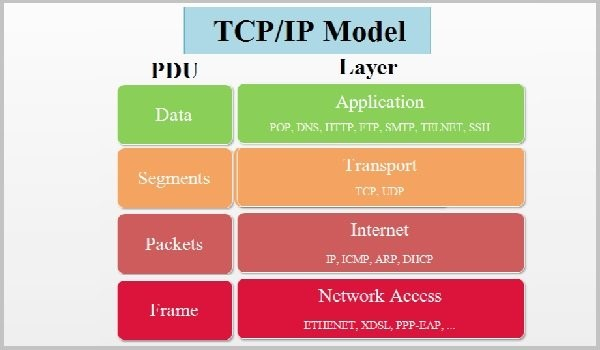
The TCP/IP model is one of the most popular network models today. This model is divided into four layers: Application layer, Transport layer, Internet layer, and Link layer. It has become the foundation for most computer networks in the real world.
Note on Proprietary Protocols and Models
Some manufacturers develop their own models and protocols for their systems, which can lead to incompatibility with the OSI model. This sometimes makes it difficult to apply common standards.
Detailed Comparison Between OSI and TCP/IP Models
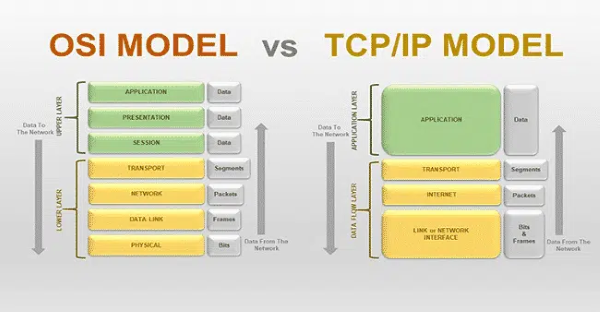
Both the OSI and TCP/IP models play important roles in computer networking, but they have some similarities and differences.
Similarities
Both play important roles in network communication: Both models aim to improve communication between different network devices.
Use of layers: Both divide the communication process into layers, making management and troubleshooting easier.
Differences
Number of layers: The OSI model has seven layers while the TCP/IP model has four layers. This can make the OSI model more complex.
Practical application: The TCP/IP model is generally more widely used in practice compared to the OSI model.
Applications of the OSI Model
The OSI model is not just theoretical but also has practical applications in many areas, including:
Network design and development: The OSI model provides guidance for engineers in building network systems.
Education and training: It is an important part of computer networking curricula.
Analysis and troubleshooting: Helps technicians identify and fix network issues effectively.
Frequently Asked Questions About the OSI Model
Why is the OSI model important in computer networking?
The OSI model is a standard tool that shapes how network devices communicate. It provides a clear structure for designing and developing networks while enabling compatibility between different systems.
Which layer in the OSI model is responsible for routing?
The Network Layer is the layer responsible for routing data between different networks, using IP addresses to determine the destination.
What protocols are used in the Application layer of the OSI model?
Common protocols in the Application layer include HTTP (Hypertext Transfer Protocol), FTP (File Transfer Protocol), SMTP (Simple Mail Transfer Protocol), and DNS (Domain Name System).
Mo hinh OSI la nen tang ly thuyet quan trong de hieu cach mang may tinh hoat dong. Trong thuc te, mo hinh TCP/IP duoc su dung rong rai hon nhung OSI van la cong cu huu ich cho viec hoc tap va phan tich su co mang.
Conclusion: The OSI model with its 7 layers provides a standardized framework for network communication, ensuring compatibility between systems from different manufacturers. Although rarely implemented directly, OSI remains an essential tool for network design, education, and troubleshooting.