Middleware là gì? Tính năng và ứng dụng middleware cho REST API
Development

Middleware là gì? Tính năng và ứng dụng middleware cho REST API

Middleware là phần mềm trung gian kết nối các thành phần trong hệ thống. Tìm hiểu cách hoạt động, phân loại, ứng dụng trong REST API và Laravel.

✦ Tóm tắt nhanh
Middleware là phần mềm trung gian kết nối các thành phần trong hệ thống. Tìm hiểu cách hoạt động, phân loại, ứng dụng trong REST API và Laravel.
Bài này thế nào?

Middleware (phần mềm trung gian) là lớp phần mềm kết nối các thành phần trong hệ thống, xử lý request trước khi đến ứng dụng chính. Bài viết giải thích cách hoạt động, phân loại, ứng dụng trong REST API và ví dụ thực tế với Laravel.

Middleware là gì?

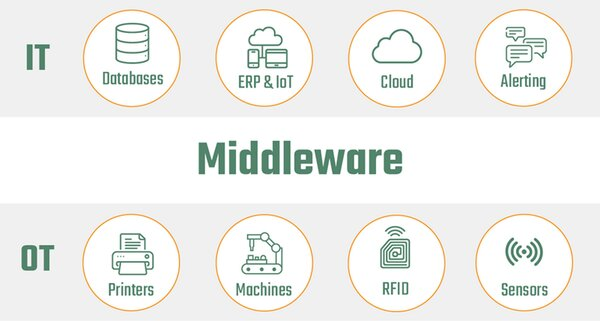
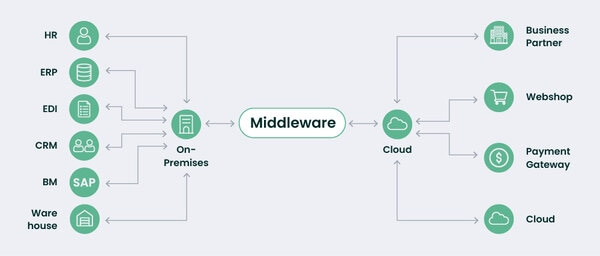
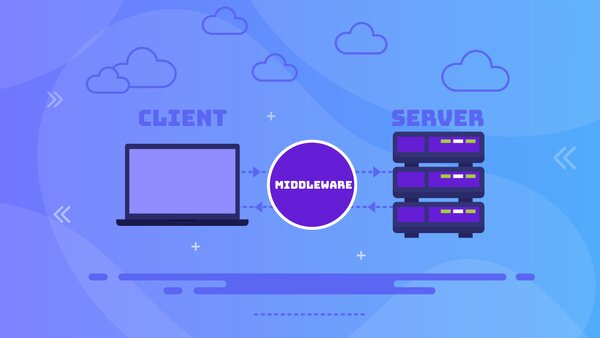
Middleware (phần mềm trung gian) là lớp phần mềm nằm giữa hệ điều hành, cơ sở dữ liệu và ứng dụng. Nó đóng vai trò cầu nối giúp các thành phần khác nhau trong hệ thống giao tiếp và trao đổi dữ liệu, bất kể ngôn ngữ lập trình hay nền tảng.

Khái niệm middleware xuất hiện từ những năm 1980 khi các hệ thống doanh nghiệp cần tích hợp nhiều ứng dụng trên các nền tảng khác nhau. Thay vì mỗi ứng dụng tự xử lý kết nối, middleware cung cấp lớp trừu tượng chung — giảm độ phức tạp và tăng khả năng mở rộng.

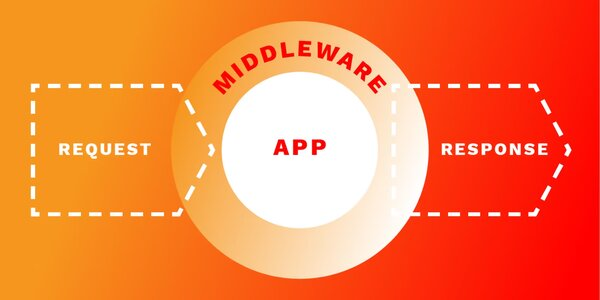
Trong phát triển web hiện đại, middleware thường chỉ cơ chế xử lý request/response trong các framework như Express.js, Laravel, Django — chặn và xử lý HTTP request trước khi đến controller.

Cách hoạt động
Middleware hoạt động theo mô hình pipeline (chuỗi xử lý):

  1. Client gửi HTTP request đến server.
  2. Middleware 1 chặn request → thực hiện xử lý (VD: kiểm tra CORS).
  3. Middleware 2 tiếp tục xử lý (VD: xác thực JWT token).
  4. Middleware 3 xử lý tiếp (VD: logging, rate limiting).
  5. Controller nhận request đã qua middleware, thực thi logic nghiệp vụ.
  6. Response đi ngược qua middleware pipeline trước khi trả về client.

Mỗi middleware có thể:

  • Chuyển tiếp request đến middleware tiếp theo (gọi next()).
  • Chặn request và trả response ngay (VD: 401 Unauthorized).
  • Biến đổi request/response (thêm header, transform dữ liệu).

Phân loại middleware
Loại Chức năng Ví dụ
Message-Oriented (MOM) Truyền tin nhắn bất đồng bộ giữa các hệ thống RabbitMQ, Apache Kafka, ActiveMQ
Database Middleware Kết nối ứng dụng với nhiều loại database ODBC, JDBC, Sequelize
Application Server Cung cấp môi trường thực thi ứng dụng Tomcat, WildFly, IIS
API/Integration Kết nối và quản lý API giữa các dịch vụ MuleSoft, Apache Camel, Kong
Web Middleware Xử lý HTTP request trong web framework Express middleware, Laravel middleware
RPC Middleware Gọi hàm từ xa giữa các hệ thống gRPC, XML-RPC, JSON-RPC

Application Server là gì? Tính năng, lợi ích và ứng dụng

Middleware vs API Gateway

Middleware xử lý logic bên trong ứng dụng (authentication, logging). API Gateway quản lý traffic bên ngoài (routing, rate limiting, load balancing). Trong microservices, API Gateway thường kết hợp nhiều middleware bên trong.

Middleware trong REST API

Trong REST API, middleware xử lý các tác vụ chung tách biệt khỏi logic nghiệp vụ:

Middleware Chức năng Ví dụ
Authentication Xác thực người dùng qua JWT, OAuth, API Key passport.js, jwt-auth
Authorization Kiểm tra quyền truy cập tài nguyên Role-based, Policy-based
Validation Validate dữ liệu đầu vào express-validator, Form Request
Rate Limiting Giới hạn số request trong khoảng thời gian express-rate-limit, throttle
CORS Cho phép request từ domain khác cors middleware
Logging Ghi log request/response morgan, monolog
Compression Nén response để giảm bandwidth compression, gzip
Error Handling Xử lý lỗi tập trung Error middleware

Ví dụ middleware xác thực trong Express.js:

JavaScript
 1const authMiddleware = (req, res, next) => {
 2  const token = req.headers.authorization?.split(' ')[1];
 3  if (!token) return res.status(401).json({ error: 'Token required' });
 4
 5  try {
 6    req.user = jwt.verify(token, process.env.JWT_SECRET);
 7    next(); // Chuyển đến middleware/controller tiếp theo
 8  } catch (err) {
 9    res.status(403).json({ error: 'Invalid token' });
10  }
11};
12
13app.get('/api/profile', authMiddleware, profileController);

Middleware trong Laravel
Laravel tích hợp middleware mạnh mẽ vào HTTP pipeline, chia thành 3 cấp:

  • Global Middleware: Chạy cho mọi request (VD: TrustProxies, HandleCors).
  • Route Middleware: Gán cho route cụ thể (VD: auth, throttle).
  • Middleware Group: Nhóm nhiều middleware (VD: web, api).

Tạo middleware tùy chỉnh:

Bash
1php artisan make:middleware CheckAge
php
1// app/Http/Middleware/CheckAge.php
2public function handle(Request $request, Closure $next)
3{
4    if ($request->age < 18) {
5        return redirect('home');
6    }
7    return $next($request);
8}

Đăng ký và sử dụng:

php
1// routes/web.php
2Route::get('/dashboard', function () {
3    // Logic
4})->middleware('check.age');

Laravel cũng hỗ trợ terminable middleware — xử lý sau khi response đã gửi đến client (VD: ghi log, gửi notification).

Lợi ích và ứng dụng

  • Tách biệt mối quan tâm (SoC): Logic xác thực, logging, caching tách khỏi business logic — code sạch hơn, dễ maintain.
  • Tái sử dụng: Một middleware có thể dùng cho nhiều route/controller mà không lặp code.
  • Bảo mật tập trung: Xác thực, phân quyền, validate input tại một điểm thay vì rải rác.
  • Dễ mở rộng: Thêm/bớt middleware không ảnh hưởng đến logic ứng dụng chính.
  • Hiệu năng: Caching middleware, compression middleware giúp tối ưu response time.
  • Monitoring: Logging middleware ghi lại mọi request để theo dõi và debug.
Best practices khi dùng Middleware

Giữ mỗi middleware đơn giản, chỉ làm một việc (Single Responsibility). Sắp xếp thứ tự đúng — CORS trước Authentication trước Authorization. Tránh đặt business logic trong middleware. Sử dụng middleware group để quản lý dễ hơn.

Kết luận: Middleware là lớp phần mềm trung gian thiết yếu trong kiến trúc ứng dụng hiện đại, từ tích hợp hệ thống doanh nghiệp đến xử lý HTTP request trong web framework. Hiểu và sử dụng middleware đúng cách giúp xây dựng ứng dụng bảo mật, dễ mở rộng và dễ bảo trì.

Nguồn tham khảo

Laravel là gì? Framework PHP phổ biến nhất

Câu hỏi thường gặp

Câu hỏi thường gặpQ&A
Middleware là gì?
Middleware (phần mềm trung gian) là lớp phần mềm nằm giữa hệ điều hành/cơ sở dữ liệu và ứng dụng, giúp các thành phần giao tiếp, trao đổi dữ liệu và xử lý request một cách hiệu quả.
Middleware hoạt động như thế nào?
Middleware chặn request trước khi đến ứng dụng chính, thực hiện xử lý (xác thực, logging, transform dữ liệu), sau đó chuyển tiếp hoặc trả về response. Quá trình này tạo thành chuỗi middleware pipeline.
Có những loại middleware nào?
Gồm: Message-Oriented (MOM), Database Middleware, Application Server Middleware, API/Integration Middleware, và Web Middleware (xử lý HTTP request trong framework như Express, Laravel, Django).
Middleware trong REST API dùng để làm gì?
Trong REST API, middleware xử lý các tác vụ chung như xác thực JWT/OAuth, logging, rate limiting, CORS, validate input, nén response và xử lý lỗi — tách biệt khỏi logic nghiệp vụ chính.
Làm sao tạo middleware trong Laravel?
Dùng lệnh php artisan make:middleware TenMiddleware, viết logic trong hàm handle(), đăng ký trong bootstrap/app.php hoặc gán trực tiếp cho route/group. Laravel hỗ trợ middleware global, route và group.

Middleware is a software layer that connects system components, processing requests before they reach the main application. This article explains how it works, types, applications in REST API, and practical examples with Laravel.

What is Middleware?

Middleware is a software layer between the operating system, database, and application. It acts as a bridge enabling different system components to communicate and exchange data, regardless of programming language or platform.

The concept of middleware emerged in the 1980s when enterprise systems needed to integrate applications across different platforms. Instead of each application handling its own connections, middleware provides a common abstraction layer — reducing complexity and improving scalability.

In modern web development, middleware typically refers to the request/response processing mechanism in frameworks like Express.js, Laravel, and Django — intercepting and processing HTTP requests before they reach the controller.

How It Works

Middleware operates on a pipeline model (processing chain):

  1. Client sends an HTTP request to the server.
  2. Middleware 1 intercepts the request → performs processing (e.g., CORS check).
  3. Middleware 2 continues processing (e.g., JWT token authentication).
  4. Middleware 3 processes further (e.g., logging, rate limiting).
  5. Controller receives the middleware-processed request, executes business logic.
  6. Response travels back through the middleware pipeline before reaching the client.

Each middleware can:

  • Forward the request to the next middleware (call next()).
  • Block the request and return a response immediately (e.g., 401 Unauthorized).
  • Transform the request/response (add headers, transform data).

Middleware Types

Type Function Examples
Message-Oriented (MOM) Asynchronous messaging between systems RabbitMQ, Apache Kafka, ActiveMQ
Database Middleware Connects applications to multiple database types ODBC, JDBC, Sequelize
Application Server Provides application runtime environment Tomcat, WildFly, IIS
API/Integration Connects and manages APIs between services MuleSoft, Apache Camel, Kong
Web Middleware Processes HTTP requests in web frameworks Express middleware, Laravel middleware
RPC Middleware Remote procedure calls between systems gRPC, XML-RPC, JSON-RPC
Middleware vs API Gateway

Middleware handles logic inside the application (authentication, logging). API Gateway manages external traffic (routing, rate limiting, load balancing). In microservices, an API Gateway often combines multiple middleware internally.

Middleware in REST API

In REST APIs, middleware handles common tasks separated from business logic:

Middleware Function Examples
Authentication Verifies users via JWT, OAuth, API Key passport.js, jwt-auth
Authorization Checks resource access permissions Role-based, Policy-based
Validation Validates input data express-validator, Form Request
Rate Limiting Limits requests per time period express-rate-limit, throttle
CORS Allows requests from other domains cors middleware
Logging Logs request/response data morgan, monolog
Compression Compresses responses to reduce bandwidth compression, gzip
Error Handling Centralized error processing Error middleware

Example authentication middleware in Express.js:

JavaScript
 1const authMiddleware = (req, res, next) => {
 2  const token = req.headers.authorization?.split(' ')[1];
 3  if (!token) return res.status(401).json({ error: 'Token required' });
 4
 5  try {
 6    req.user = jwt.verify(token, process.env.JWT_SECRET);
 7    next(); // Pass to next middleware/controller
 8  } catch (err) {
 9    res.status(403).json({ error: 'Invalid token' });
10  }
11};
12
13app.get('/api/profile', authMiddleware, profileController);

What is an Application Server? Features, Benefits and Use Cases

Middleware in Laravel

Laravel integrates middleware into its HTTP pipeline at 3 levels:

  • Global Middleware: Runs for every request (e.g., TrustProxies, HandleCors).
  • Route Middleware: Assigned to specific routes (e.g., auth, throttle).
  • Middleware Group: Groups multiple middleware (e.g., web, api).

Creating custom middleware:

Bash
1php artisan make:middleware CheckAge
php
1// app/Http/Middleware/CheckAge.php
2public function handle(Request $request, Closure $next)
3{
4    if ($request->age < 18) {
5        return redirect('home');
6    }
7    return $next($request);
8}

Register and use:

php
1// routes/web.php
2Route::get('/dashboard', function () {
3    // Logic
4})->middleware('check.age');

Laravel also supports terminable middleware — processing after the response has been sent to the client (e.g., logging, sending notifications).

Benefits and Use Cases

  • Separation of Concerns (SoC): Authentication, logging, and caching logic separated from business logic — cleaner code, easier maintenance.
  • Reusability: A single middleware can be used across multiple routes/controllers without code duplication.
  • Centralized Security: Authentication, authorization, and input validation at a single point instead of scattered throughout.
  • Easy Scaling: Adding/removing middleware doesn't affect core application logic.
  • Performance: Caching and compression middleware optimize response time.
  • Monitoring: Logging middleware records all requests for tracking and debugging.
Middleware Best Practices

Keep each middleware simple, doing one thing (Single Responsibility). Order correctly — CORS before Authentication before Authorization. Avoid placing business logic in middleware. Use middleware groups for easier management.

What is Laravel? The Most Popular PHP Framework

Conclusion: Middleware is an essential intermediary software layer in modern application architecture, from enterprise system integration to HTTP request processing in web frameworks. Understanding and using middleware correctly helps build secure, scalable, and maintainable applications.

Sources

Frequently Asked Questions

Frequently Asked QuestionsQ&A
What is Middleware?
Middleware is a software layer between the operating system/database and applications, helping components communicate, exchange data, and process requests efficiently.
How does Middleware work?
Middleware intercepts requests before they reach the main application, performs processing (authentication, logging, data transformation), then forwards or returns a response. This forms a middleware pipeline.
What are the types of Middleware?
Types include: Message-Oriented (MOM), Database Middleware, Application Server Middleware, API/Integration Middleware, and Web Middleware (handling HTTP requests in frameworks like Express, Laravel, Django).
What does Middleware do in REST APIs?
In REST APIs, middleware handles common tasks like JWT/OAuth authentication, logging, rate limiting, CORS, input validation, response compression, and error handling — separated from business logic.
How do you create Middleware in Laravel?
Use php artisan make:middleware MiddlewareName, write logic in the handle() method, register in bootstrap/app.php or assign directly to routes/groups. Laravel supports global, route, and group middleware.