Livestream Commerce Là Gì? TikTok Shop & Shopee Live Cho Brand
Báo cáo xu hướng

Livestream Commerce Là Gì? TikTok Shop & Shopee Live Cho Brand

Livestream Commerce là gì? Khám phá cách TikTok Shop và Shopee Live đang thay đổi cách mua sắm tại Đông Nam Á và chiến lược brand cần biết.

Trong series: Algo Data
  1. 1 Livestream Commerce Là Gì? TikTok Shop & Shopee Live Cho Brand
  2. 2 Phân tích Facebook/Meta chuyên sâu với Algo Data
  3. 3 Churn Là Gì? Phân Tích Và Giảm Tỷ Lệ Rời Bỏ Khách Hàng
  4. 4 Algo Data cho ngành điện tử: Cuộc chiến giá (price war) và Launch Timing
  5. 5 Phân tích Zalo chuyên sâu với Algo Data
  6. 6 RFM Là Gì? Mô Hình Phân Khúc Khách Hàng Cho E-Commerce
  7. 7 KOC vs KOL Là Gì? Chọn Đúng Người Influencer Cho Brand
  8. 8 Algo Data cho ngành mỹ phẩm: KOC-driven và Ingredient Trend
  9. 9 Phân tích dữ liệu thị trường chuyên sâu với Algo Data
✦ Tóm tắt nhanh
Livestream Commerce là gì? Khám phá cách TikTok Shop và Shopee Live đang thay đổi cách mua sắm tại Đông Nam Á và chiến lược brand cần biết.
Bài này thế nào?

Chỉ trong vòng chưa đầy một thập kỷ, hình thức mua sắm trực tuyến đã biến đổi hoàn toàn nhờ một phát kiến đơn giản nhưng cực kỳ hiệu quả: phát trực tiếp kết hợp với thanh toán tức thì. Livestream Commerce không còn là xu hướng của tương lai — nó đã là thực tế của hiện tại với hàng triệu phiên live diễn ra mỗi ngày trên khắp Đông Nam Á. Nếu brand của bạn chưa có mặt trên kênh này, bạn đang để lại một lượng doanh thu đáng kể trên bàn.

Livestream Commerce là gì?

Livestream Commerce là hình thức thương mại điện tử trong đó người bán hoặc người dẫn chương trình (host) giới thiệu sản phẩm qua video phát trực tiếp, trong khi người xem có thể đặt hàng và thanh toán ngay trong cùng một giao diện mà không cần rời khỏi buổi live. Đây là sự kết hợp giữa hai thứ mạnh nhất trong hành vi tiêu dùng hiện đại: entertainment và commerce — người dùng vừa được giải trí, vừa mua sắm, tất cả trong một trải nghiệm liền mạch.

Khái niệm này bắt nguồn từ Trung Quốc vào năm 2016 khi Alibaba ra mắt tính năng Taobao Live. Chỉ trong hai năm đầu, Taobao Live đã tạo ra hơn 15 tỷ USD GMV và trở thành kênh bán hàng chủ lực cho hàng chục nghìn thương hiệu Trung Quốc. Thành công đó đã truyền cảm hứng cho các nền tảng toàn cầu như TikTok, Shopee, Instagram và YouTube nhanh chóng tích hợp tính năng livestream mua sắm vào sản phẩm của mình.

Điều phân biệt Livestream Commerce với các hình thức bán hàng trực tuyến thông thường chính là yếu tố thời gian thực. Người xem không chỉ nhìn thấy sản phẩm — họ thấy host dùng thử, trả lời câu hỏi ngay lập tức, tạo ra sự minh bạch và tin tưởng mà ảnh sản phẩm tĩnh không thể làm được. Áp lực thời gian từ flash deal và số lượng hàng có hạn kích hoạt tâm lý FOMO (Fear Of Missing Out) mạnh mẽ, thúc đẩy quyết định mua hàng nhanh hơn nhiều so với browse thông thường.

Tại sao Livestream Commerce bùng nổ ở Đông Nam Á?

Đông Nam Á là thị trường lý tưởng cho Livestream Commerce nhờ vào sự giao thoa của nhiều yếu tố thuận lợi cùng một lúc. Tỷ lệ thâm nhập smartphone cao (trên 80% ở Indonesia, Thái Lan, Philippines), chi phí data di động thấp, và văn hóa tiêu dùng nội dung video ngắn đã tạo nền tảng hoàn hảo. TikTok Shop tại thị trường Đông Nam Á đã đạt GMV vượt 20 tỷ USD trong năm 2024, tăng gần 3 lần so với năm 2022. Shopee Live cũng ghi nhận mức tăng trưởng 3 lần về số phiên livestream trong cùng giai đoạn.

Tâm lý FOMO và social proof là hai động lực cốt lõi thúc đẩy hành vi mua sắm trong livestream. Khi người xem thấy bình luận "đã order rồi", "đặt 3 cái", "hết hàng chưa?" tràn ngập màn hình, não bộ tự động kích hoạt phản xạ bầy đàn — cảm giác rằng nếu mình không mua ngay bây giờ, mình sẽ bỏ lỡ điều gì đó mà người khác đang tận hưởng. Số lượng giới hạn được đếm ngược trực quan (còn 50 cái, còn 20 cái, hết rồi!) càng tăng cường áp lực này. Đây là cơ chế tâm lý mà không một hình thức quảng cáo truyền thống nào có thể tái tạo hiệu quả tương đương.

Social Listening là gì?

FOMO giả tạo phản tác dụng

Đừng dùng số lượng tồn kho hoặc bộ đếm ngược giả để tạo áp lực mua hàng. Người mua ngày càng tinh ý — nếu họ phát hiện ra đây là chiêu thức, lòng tin vào brand sẽ sụp đổ rất khó xây dựng lại. Chỉ tạo FOMO trên sản phẩm thực sự có số lượng giới hạn hoặc deal chỉ có trong buổi live.

Ngoài tâm lý người dùng, hạ tầng thanh toán kỹ thuật số đã đủ trưởng thành để hỗ trợ quá trình checkout tức thì. Ví điện tử như ShopeePay, MoMo, GrabPay và các phương thức mua trước trả sau (BNPL) giúp rào cản thanh toán gần như biến mất. Người dùng không cần nhập thông tin thẻ, không cần chuyển sang app khác — tất cả được xử lý trong vòng vài cú tap ngay trong màn hình live. Sự liền mạch này là yếu tố then chốt giúp conversion rate của Livestream Commerce cao hơn đáng kể so với các hình thức thương mại điện tử khác.

Cơ chế hoạt động của một buổi Livestream Commerce

Một buổi Livestream Commerce vận hành theo một flow được thiết kế để tối đa hóa cả engagement lẫn doanh số. Host bắt đầu buổi live với nội dung warming up — thường là chia sẻ tips, câu chuyện thú vị hoặc mini-game nhỏ để kéo người xem vào và tạo không khí sôi động. Khi lượng viewer đã đạt ngưỡng ổn định, host bắt đầu ghim sản phẩm (product pin) vào khung hình — người xem chỉ cần tap vào sản phẩm ghim là có thể thêm vào giỏ hàng ngay lập tức mà không cần thoát khỏi live.
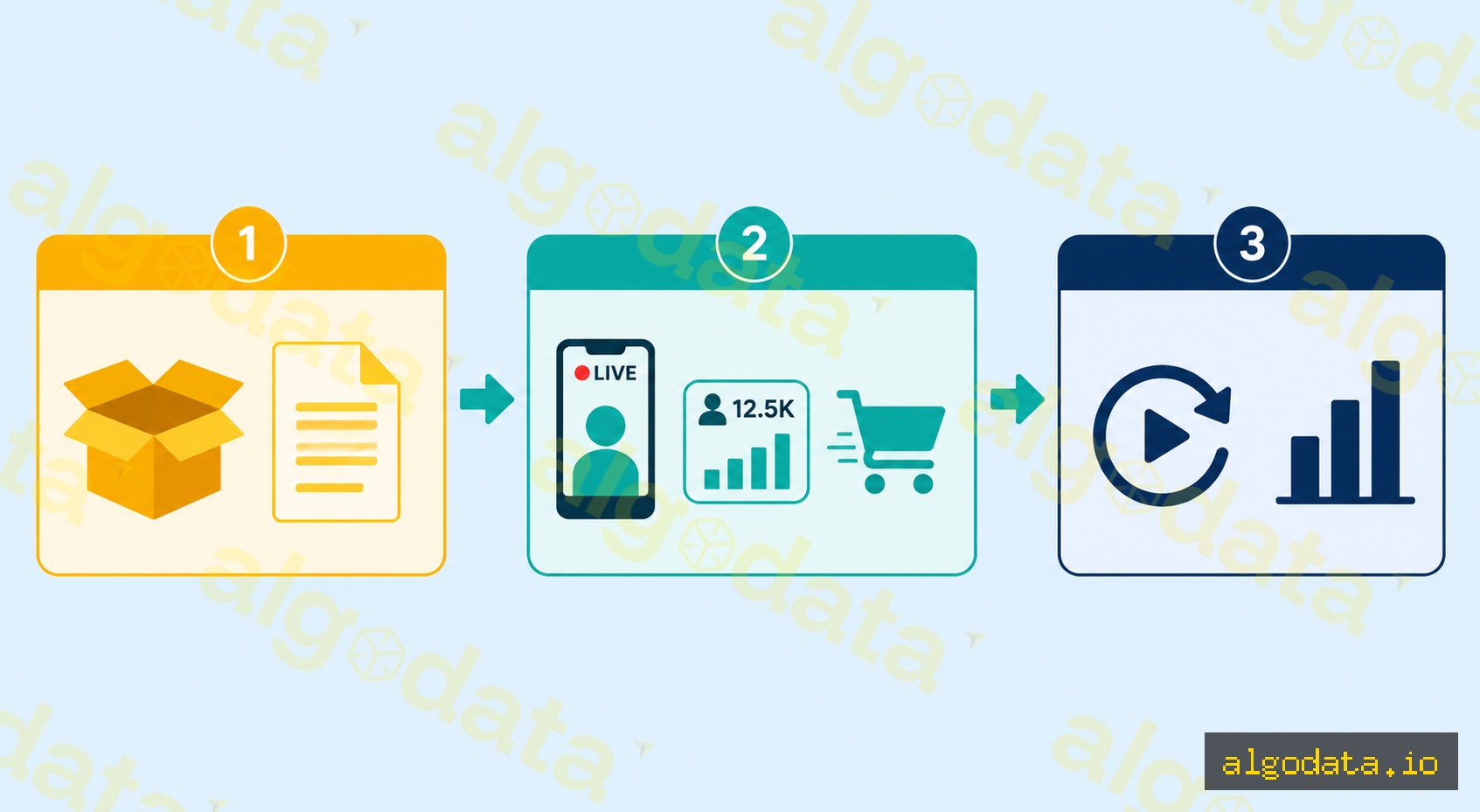
Ba giai đoạn của một buổi Livestream Commerce: Pre-Live, Live và Post-Live

Flash deal là vũ khí chiến lược mạnh nhất trong Livestream Commerce. Mỗi 20-30 phút, host thông báo một deal đặc biệt chỉ tồn tại trong 5-10 phút hoặc với số lượng giới hạn, kèm theo đồng hồ đếm ngược hiển thị trực tiếp trên màn hình. Hiệu ứng tâm lý là tức thì: spike viewer và spike add-to-cart thường tăng 3-5 lần so với mức nền. Những brand livestream hiệu quả thường có ít nhất 3-4 flash deal được phân bố đều trong buổi live 2 tiếng, kết hợp với voucher exclusive chỉ dành cho người xem live.

Algorithm của TikTok và Shopee đều ưu tiên boost content livestream đang có tương tác cao. Khi một buổi live có nhiều comment, like, share và add-to-cart, hệ thống sẽ tự động phân phối nội dung đó cho nhiều người dùng hơn — tạo ra một vòng lặp tích cực: càng nhiều tương tác, càng nhiều reach, càng nhiều viewer mới, càng nhiều tương tác. Đây là lý do tại sao việc kích thích người xem comment (đặt câu hỏi, yêu cầu vote màu sắc, kêu gọi tag bạn bè) không chỉ là tăng engagement mà còn là chiến lược tăng trưởng organic miễn phí.
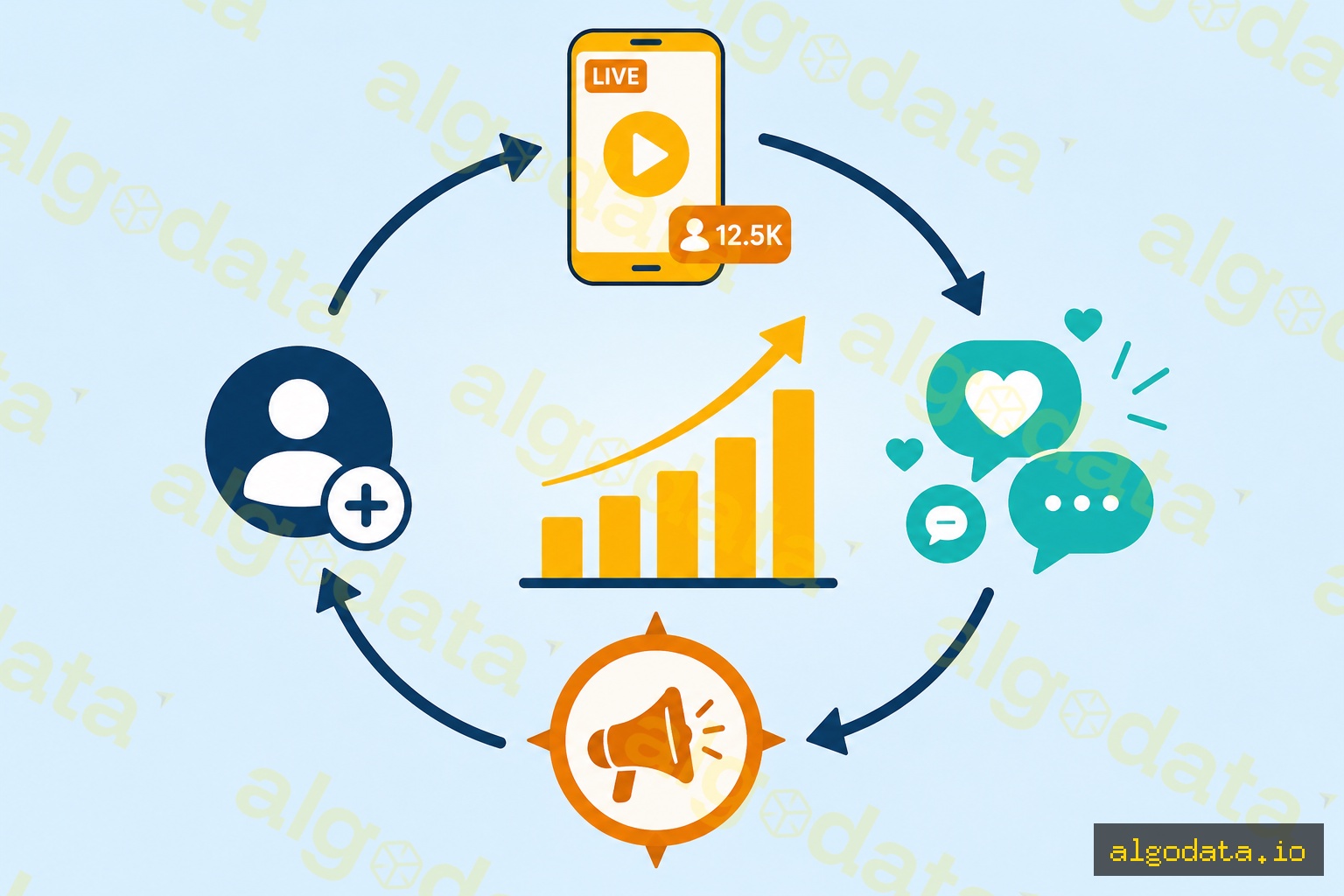
Vòng lặp tích cực của thuật toán livestream: tương tác cao → reach rộng hơn → viewer mới → tương tác nhiều hơn

TikTok Shop vs Shopee Live: Chọn nền tảng nào?

TikTok Shop và Shopee Live phục vụ hai tâm lý người dùng khác nhau và phù hợp với hai loại chiến lược khác nhau. TikTok Shop là nền tảng discovery-first — người dùng không lên TikTok để mua sắm nhưng bị thu hút và thuyết phục bởi nội dung. Algorithm TikTok có khả năng viral cực kỳ mạnh: một buổi live từ một shop mới hoàn toàn vẫn có thể đạt 10.000-50.000 viewer đồng thời nếu content đủ hấp dẫn. Audience chủ yếu là Gen Z và Millennials trẻ (18-30 tuổi), có xu hướng mua theo cảm xúc và trend.

Shopee Live ngược lại là nền tảng intent-driven — người dùng lên Shopee với mục đích mua sắm rõ ràng và livestream là một công cụ để họ tìm hiểu thêm trước khi quyết định. Audience Shopee Live có profile mua sắm khác: thường so sánh giá kỹ hơn, quan tâm đến đánh giá và loyalty với brand nhiều hơn. Conversion rate trên Shopee Live thường cao hơn TikTok Shop nhưng reach organic thấp hơn. Brand thường cần đầu tư vào Shopee Ads để boost live hoặc tận dụng base follower đã có sẵn.

Phân tích theo ngành hàng: fashion, beauty, skincare và FMCG (đồ ăn vặt, thức uống, sản phẩm chăm sóc cá nhân) hoạt động tốt hơn trên TikTok Shop vì tính impulse buy cao và có thể demo trực quan qua video. Electronics, đồ gia dụng lớn, sản phẩm mua theo subscription hoặc supplement phù hợp hơn với Shopee Live vì người mua thường cần thời gian cân nhắc và ưu tiên thương hiệu quen thuộc. Nhiều brand lớn hiện nay chạy song song cả hai nền tảng với strategy khác nhau: TikTok để acquire customer mới, Shopee để convert và retain.

Bắt đầu với một nền tảng duy nhất

Nếu nguồn lực còn hạn chế, hãy chọn một nền tảng và làm thật tốt trước khi mở rộng. Brand bán fashion, beauty hoặc FMCG nên ưu tiên TikTok Shop để tận dụng khả năng viral organic. Brand bán electronics, gia dụng hoặc supplement nên bắt đầu với Shopee Live nơi người mua đã có intent rõ ràng hơn. Chạy cùng lúc cả hai mà không có đủ team và nội dung sẽ dàn mỏng nguồn lực và khó tối ưu bất kỳ kênh nào.
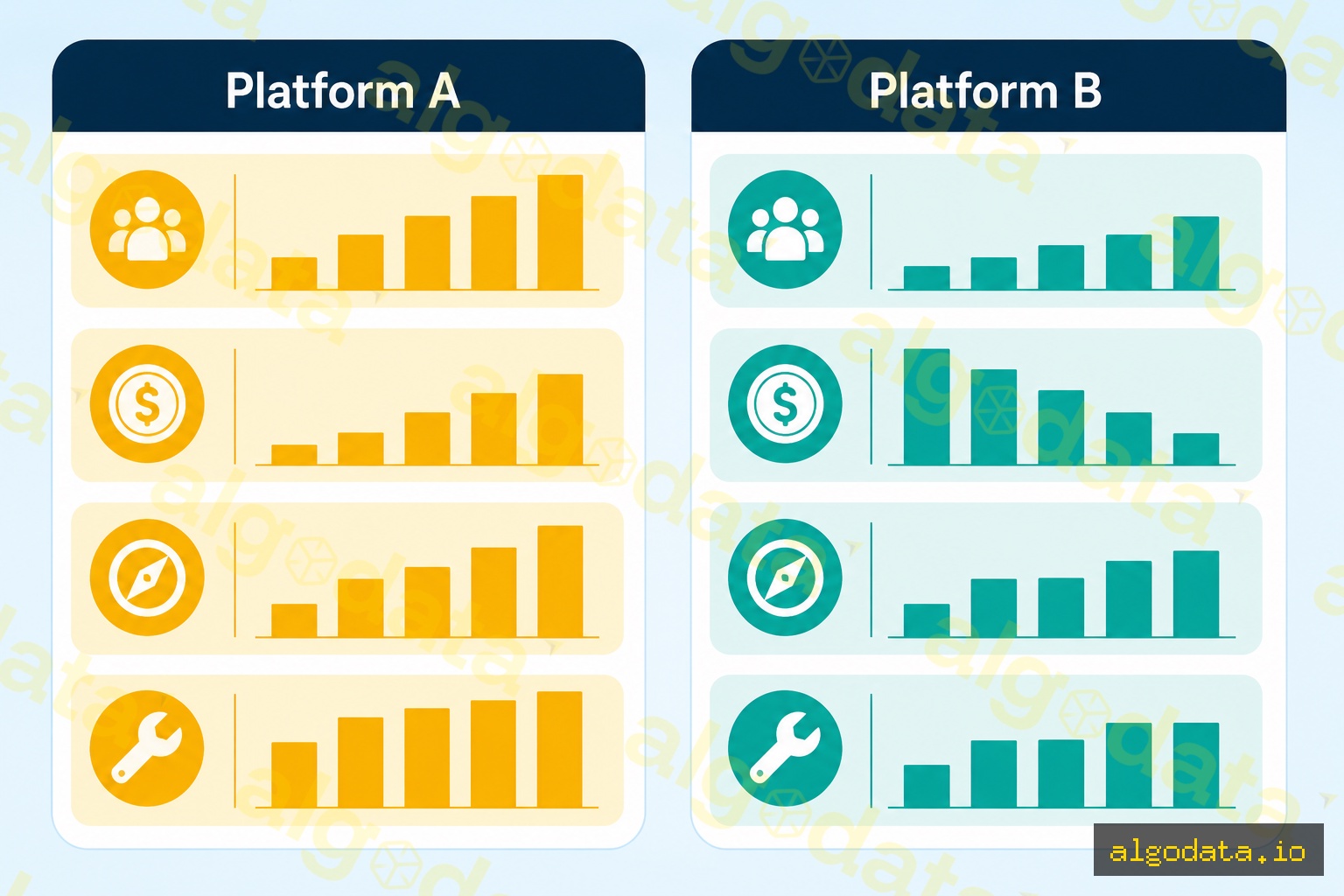
So sánh TikTok Shop và Shopee Live theo audience, commission, thuật toán và công cụ bán hàng

KPIs đo hiệu quả Livestream Commerce

Đo hiệu quả Livestream Commerce đòi hỏi một bộ KPI riêng biệt, khác với các kênh marketing truyền thống. GMV/session (Gross Merchandise Value trên mỗi buổi live) là chỉ số quan trọng nhất — đây là tổng giá trị đơn hàng tạo ra từ một buổi live, bao gồm cả đơn được đặt trong live lẫn đơn đặt trong vòng 24 giờ sau live (attributed GMV). Một brand mới với sản phẩm tầm trung (200K-500K/sản phẩm) có thể kỳ vọng GMV/session từ 20-50 triệu đồng sau 2-3 tháng tối ưu.

Peak concurrent viewers là chỉ số thể hiện sức hút của content và thời điểm live. Trung bình, tỷ lệ viewer→buyer (conversion rate) của Livestream Commerce dao động từ 3-8%, cao hơn đáng kể so với tỷ lệ 1-2% của e-commerce thông thường. Average Order Value (AOV) trong live thường cao hơn mua lẻ do hiệu ứng bundle deal và cross-sell: host thường gợi ý combo hoặc sản phẩm đi kèm ngay trong lúc live, khi người mua đang trong trạng thái hứng khởi nhất. AOV trung bình trong livestream thường cao hơn 20-35% so với AOV trên trang sản phẩm thông thường.

Add-to-cart rate và cart abandonment rate cũng cần được theo dõi chặt chẽ. Tỷ lệ thêm giỏ hàng cao nhưng không checkout có thể chỉ ra vấn đề về giá, thiếu voucher hoặc friction trong quá trình thanh toán. Ngoài ra, đừng bỏ qua chỉ số Return Viewer Rate — tỷ lệ người xem quay lại theo dõi buổi live tiếp theo. Một brand với return viewer rate trên 30% đang xây dựng được cộng đồng trung thành quanh kênh live của mình, đây là nền tảng cho tăng trưởng bền vững dài hạn.
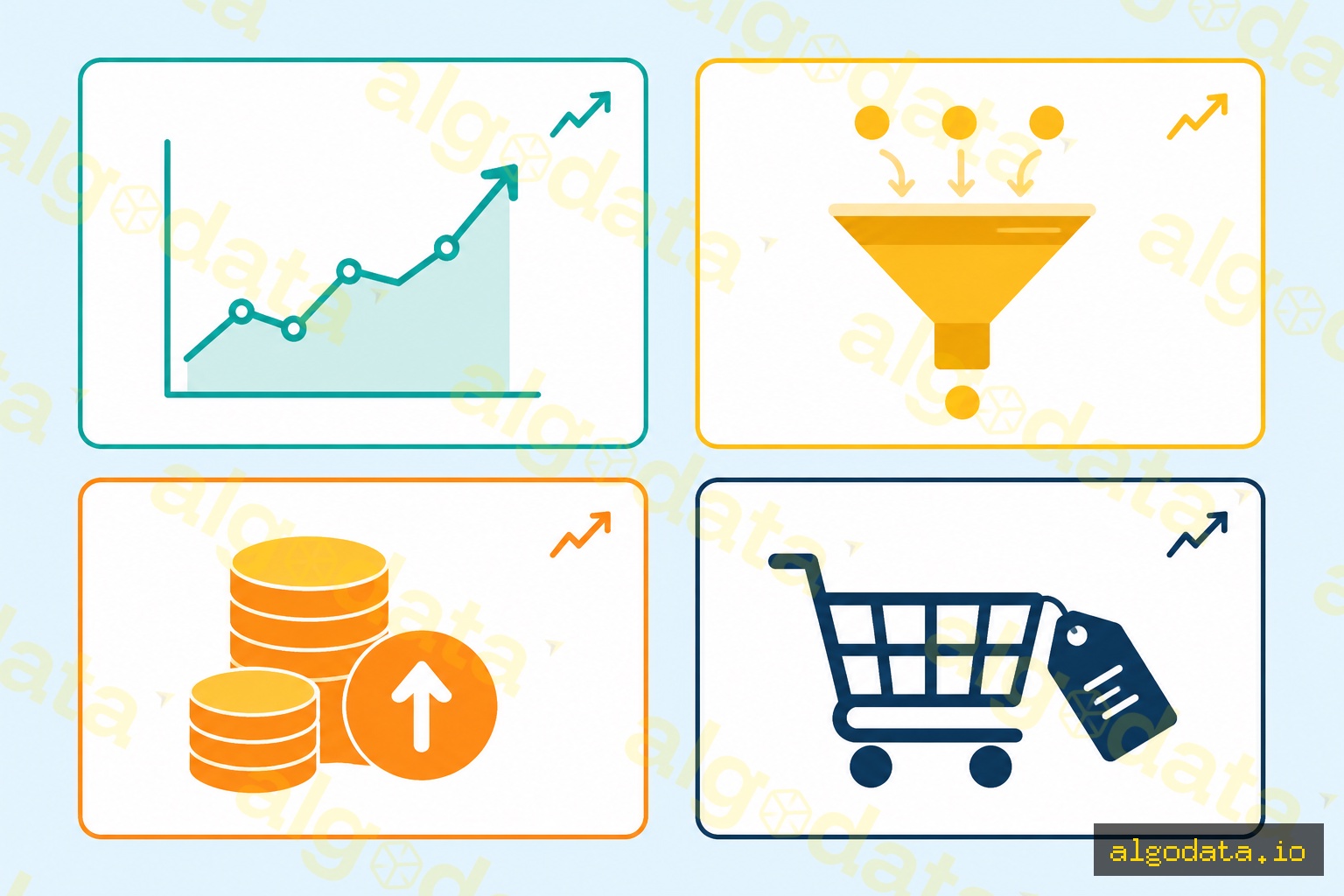
Bốn KPI cốt lõi của Livestream Commerce: Viewer Count, Conversion Rate, GMV và Average Order Value

AlgoData Livestream Analytics: Theo dõi thị trường thời gian thực

AlgoData cung cấp một bộ công cụ phân tích Livestream Commerce toàn diện, giúp brand không chỉ đo lường hiệu quả nội bộ mà còn nắm được bức tranh cạnh tranh toàn ngành. Module Competitor Livestream Tracking tự động thu thập lịch live của các đối thủ trực tiếp trong cùng ngành hàng — bao gồm thời điểm bắt đầu, thời lượng buổi live, số viewer đỉnh điểm, danh sách sản phẩm được ghim và các mốc flash deal trong buổi. Dữ liệu được cập nhật hàng ngày, cho phép brand hiểu được nhịp hoạt động và chiến lược nội dung của đối thủ một cách hệ thống.

GMV Estimation Engine của AlgoData ước tính doanh thu của từng buổi live dựa trên tương quan giữa rank sản phẩm trước và sau live, số lượng đánh giá mới phát sinh và velocity của review trong 24-48 giờ sau live. Tuy không phải con số chính xác tuyệt đối, nhưng sai số ở mức dưới 15% so với GMV thực tế giúp brand có được benchmark đủ đáng tin cậy để so sánh. Tính năng Industry Livestream Benchmark cho phép brand so sánh hiệu suất live của mình (viewer count, engagement rate, estimated GMV) với trung bình ngành và top performers trong cùng category.

Optimal Broadcast Time Analyzer là tính năng phân tích dữ liệu lịch sử livestream của cả thị trường để tìm ra khung giờ nào đang có tỷ lệ engagement và conversion cao nhất trong từng ngành hàng cụ thể. Kết quả thường bất ngờ: không phải lúc nào khung giờ prime time 20:00-22:00 cũng là tốt nhất — đối với một số ngành như beauty hay F&B, khung giờ 12:00-13:00 (giờ nghỉ trưa) hoặc 15:00-16:00 có thể cho kết quả tốt hơn do ít cạnh tranh hơn. AlgoData heatmap hiển thị mức độ cạnh tranh và cơ hội theo từng khung giờ, giúp brand lựa chọn thời điểm phát sóng chiến lược hơn.

Tips tối ưu hiệu quả Livestream Commerce

Khung giờ là yếu tố đầu tiên cần tối ưu và thường bị underestimate nhất. Dữ liệu tổng hợp từ hàng nghìn buổi live trên TikTok Shop và Shopee Live tại Việt Nam cho thấy khung giờ 20:00-22:00 có traffic người xem cao nhất nhưng cũng cạnh tranh nhất. Brand mới hoặc brand nhỏ nên cân nhắc khung giờ 12:00-13:00 hoặc 19:00-20:00 — traffic thấp hơn một chút nhưng tỷ lệ thuận với mức độ cạnh tranh thấp hơn đáng kể, giúp algorithm dễ boost hơn. Phân tích dữ liệu theo ngành hàng cụ thể (không phải tổng thị trường) mới cho kết quả chính xác.

Flash deal là cơ chế tạo spike engagement hiệu quả nhất và cần được lên kế hoạch trước kỹ lưỡng. Lịch flash deal lý tưởng trong một buổi live 2 tiếng: bắt đầu buổi live với một deal nhẹ để warm up (~5-10 phút đầu), deal chính đầu tiên vào phút 20-25, deal thứ hai vào phút 50-60, grand finale deal vào 15 phút cuối. Mỗi flash deal cần được thông báo trước 5-10 phút (teaser) để viewer biết và ở lại xem. Product mix trong một buổi live nên có cấu trúc rõ ràng: 1-2 hero products (sản phẩm chủ lực, margin cao, có thể demo tốt), 3-5 cross-sell products (sản phẩm bổ sung), và 1-2 value products (sản phẩm giá thấp để kéo đơn mới).

Chọn host là quyết định quan trọng nhất và thường bị nhìn nhận sai. Nhiều brand ưu tiên người có follower count cao nhưng thực tế, KOC có 10.000-50.000 followers trong đúng niche thường cho kết quả tốt hơn nhiều so với celebrity với triệu followers không liên quan đến sản phẩm. Một host livestream giỏi cần có: khả năng đọc comment nhanh và trả lời thông minh, năng lượng duy trì liên tục trong 2-3 tiếng, am hiểu sản phẩm đủ để trả lời câu hỏi kỹ thuật, và khả năng tạo urgency mà không nghe có vẻ quá forced. Script chuẩn bị kỹ với các key messages, USP sản phẩm và câu trả lời cho 20 câu hỏi phổ biến nhất sẽ giúp host tự tin và chuyên nghiệp hơn đáng

KOC vs KOL là gì?

kể.

Chi phí thiết bị ban đầu không cần cao

Nhiều brand nghĩ cần studio chuyên nghiệp mới bắt đầu livestream được — thực tế không phải vậy. Một điện thoại flagship đời mới, ring light 200K và mic lavalier khoảng 300-500K là đủ để bắt đầu. Chất lượng hình ảnh và âm thanh ở mức "đủ dùng" thường không ảnh hưởng nhiều đến conversion bằng kịch bản bán hàng và chất lượng sản phẩm. Đầu tư vào setup chuyên nghiệp hơn khi doanh thu đã ổn định.

RFM là gì?

Kết luận: Livestream Commerce không còn là tùy chọn

Livestream Commerce đã vượt qua giai đoạn thử nghiệm và trở thành một kênh bán hàng không thể bỏ qua cho bất kỳ thương hiệu nào muốn cạnh tranh nghiêm túc trên thị trường Đông Nam Á. Với GMV TikTok Shop SEA vượt 20 tỷ USD năm 2024 và tốc độ tăng trưởng của Shopee Live duy trì ở mức 3 lần mỗi hai năm, kênh này đang ngày càng chiếm tỷ trọng lớn hơn trong tổng chi tiêu thương mại điện tử của khu vực.

Brand thành công trên Livestream Commerce không chỉ cần execution tốt — họ cần data để ra quyết định. Biết đối thủ đang live vào khung giờ nào, sản phẩm nào đang trending trong ngành, benchmark hiệu suất như thế nào so với thị trường là những thông tin không thể có được nếu chỉ nhìn vào dashboard nội bộ. AlgoData cung cấp toàn bộ lớp intelligence này, giúp brand từ việc chọn khung giờ phát sóng đến tối ưu product mix và benchmark cạnh tranh.

Dù brand của bạn đang bắt đầu với buổi live đầu tiên hay đang cố gắng scale từ 100 triệu lên 1 tỷ GMV/tháng từ kênh live, việc có dữ liệu thị trường đúng đắn sẽ rút ngắn đáng kể đường cong học hỏi. Liên hệ AlgoData để được demo dashboard Livestream Analytics và nhận báo cáo benchmark ngành hàng của bạn — không tốn chi phí cho buổi khảo sát đầu tiên.
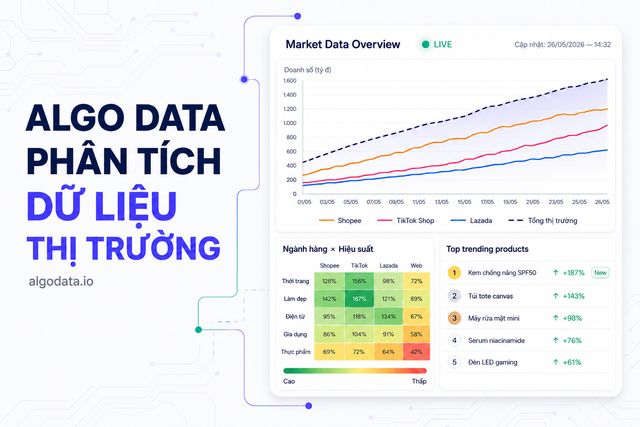
Câu hỏi thường gặp

Câu hỏi thường gặpQ&A
Cần bao nhiêu viewer để một buổi livestream có lãi?
Phụ thuộc vào AOV và margin sản phẩm. Ví dụ sản phẩm 200K, margin 40%, cần khoảng 125 viewer với tỷ lệ chuyển đổi 5% để tạo ra 6-7 đơn. Càng optimize script, sản phẩm và khung giờ thì ngưỡng hòa vốn càng thấp. Thông thường brand mới cần 3-5 buổi đầu để calibrate.
AlgoData theo dõi livestream của đối thủ như thế nào?
AlgoData track lịch live, số viewer đỉnh điểm, danh sách sản phẩm được ghim, thời điểm flash deal và ước tính GMV từ dữ liệu xếp hạng sản phẩm sau buổi live. Dashboard cập nhật theo ngày giúp brand nắm được nhịp của đối thủ.
TikTok Shop hay Shopee Live phù hợp hơn cho ngành hàng nào?
TikTok Shop hiệu quả hơn với fashion, beauty, FMCG — những ngành hàng mua theo cảm xúc (impulse buy). Shopee Live phù hợp hơn với electronics, household, sản phẩm mua lại (intent buy) vì người dùng Shopee thường có intent mua sắm rõ ràng hơn.
Làm sao biết khung giờ livestream nào đang hiệu quả nhất trong ngành?
AlgoData tổng hợp livestream performance data của competitors theo ngành, phân tích peak engagement hours theo thời gian thực và lịch sử. Brand có thể xem heatmap hoạt động livestream theo giờ trong ngày để chọn khung giờ tối ưu.
Brand nhỏ có nên đầu tư vào Livestream Commerce không?
Có, và chi phí bắt đầu thấp hơn nhiều so với advertising truyền thống. Bắt đầu với host nội bộ và KOC seeding, chi phí ban đầu chỉ cần thiết bị cơ bản và sản phẩm mẫu. ROI có thể dương ngay từ tuần đầu nếu product-market fit tốt và script được chuẩn bị kỹ.

In less than a decade, online shopping has been fundamentally transformed by a deceptively simple innovation: real-time video broadcasting combined with instant checkout. Livestream Commerce is no longer a future trend — it is the present reality, with millions of live sessions unfolding every day across Southeast Asia alone. Brands that have yet to establish a presence on this channel are leaving a significant share of revenue on the table.

What Is Livestream Commerce?

Livestream Commerce is a form of e-commerce in which a seller or host presents products via a live video broadcast while viewers can place orders and complete payment without ever leaving the stream interface. It fuses two of the most powerful forces in modern consumer behavior — entertainment and commerce — into a single seamless experience. Viewers are not passively watching an advertisement; they are actively participating in a live event where they can ask questions, see products demonstrated in real time, and buy on the spot.

The concept originated in China in 2016 when Alibaba launched Taobao Live. Within its first two years, Taobao Live generated over $15 billion in GMV and became a primary sales channel for tens of thousands of Chinese brands. That success inspired global platforms including TikTok, Shopee, Instagram, and YouTube to rapidly integrate shoppable livestream features into their products. What started as a Chinese phenomenon has since become a global commerce infrastructure layer.

What separates Livestream Commerce from conventional online retail is the real-time dimension. Viewers do not merely see a product — they watch the host demonstrate it, answer skeptical questions on the spot, and react to audience feedback live. This radical transparency builds trust that static product photography simply cannot achieve. Combined with countdown timers, limited-quantity flash deals, and the visible social proof of hundreds of viewers buying simultaneously, Livestream Commerce triggers purchasing decisions far faster than any standard browsing experience.

Why Livestream Commerce Has Exploded in Southeast Asia

Southeast Asia is an ideal market for Livestream Commerce because of the convergence of multiple enabling factors. Smartphone penetration exceeds 80% in Indonesia, Thailand, and the Philippines. Mobile data costs rank among the lowest globally. And cultural affinity for short-form video content — fueled by TikTok's meteoric rise — has conditioned hundreds of millions of users to consume entertainment on their phones for hours each day. TikTok Shop across Southeast Asia surpassed $20 billion in GMV in 2024, nearly tripling from 2022. Shopee Live recorded a 3x increase in live sessions over the same period.

The psychological mechanics of FOMO and social proof are the core engines driving purchase behavior inside livestreams. When viewers see comments like "just ordered two," "sold out in 30 seconds," or "my third time buying this" flood the screen, the brain's herd instinct activates automatically. The cognitive shortcut is straightforward: if many people are buying right now, the product must be worth it. Visible inventory countdowns — 100 remaining, then 50, then 10 — compound this urgency into an almost irresistible pressure. No form of traditional advertising can replicate this psychological mechanism with equivalent efficiency.

Beyond psychology, Southeast Asia's digital payment infrastructure has matured sufficiently to support frictionless instant checkout. Digital wallets like ShopeePay, GoPay, GrabPay, and MoMo, combined with buy-now-pay-later options from Kredivo and Akulaku, have virtually eliminated payment friction. Viewers need not enter card details or switch to another application — checkout completes in two or three taps within the live interface itself. This seamlessness is a decisive factor in why Livestream Commerce conversion rates routinely outperform standard e-commerce by three to five times.

How a Livestream Commerce Session Works

A professional Livestream Commerce session follows a carefully engineered flow designed to maximize both engagement and revenue. The host opens with a warming-up segment — sharing tips, a mini-game, or a compelling story — to build audience and establish energy. Once viewership stabilizes, the host begins pinning products to the broadcast frame. A single tap on a pinned product takes the viewer directly to the product card with an add-to-cart button, all without exiting the live stream. The purchase journey from discovery to checkout can complete in under fifteen seconds.

Flash deals are the single most effective tactical weapon in Livestream Commerce. Every twenty to thirty minutes, the host announces a special offer that exists for only five to ten minutes or while stock lasts, accompanied by a visible countdown timer. The psychological impact is immediate and measurable: add-to-cart rates typically spike three to five times above the session baseline during flash deal windows. Brands running high-performing livestreams typically engineer three to four flash deals per two-hour session, distributed at strategic intervals, layered with exclusive viewer-only vouchers that cannot be obtained elsewhere.

Platform algorithms on both TikTok and Shopee actively amplify live content that demonstrates strong engagement signals. Sessions with high comment volume, reactions, shares, and add-to-cart actions are distributed to progressively larger audiences in real time, creating a compounding growth loop: more engagement drives more reach, which drives more new viewers, which drives more engagement. This is why hosts actively solicit comments — asking viewers to vote on product colors, comment their city, or tag a friend — rather than simply presenting products. Interactive engagement is simultaneously a conversion tactic and an organic distribution strategy.

TikTok Shop vs Shopee Live: Which Platform Fits Your Brand?

TikTok Shop and Shopee Live serve fundamentally different user mindsets and reward different brand strategies. TikTok Shop is a discovery-first platform: users open TikTok for entertainment, not with shopping intent, yet they are drawn into purchase decisions by compelling content. TikTok's algorithm delivers exceptional viral potential — a brand-new shop with zero followers can reach 10,000 to 50,000 concurrent viewers if its live content resonates strongly enough. The core audience skews toward Gen Z and younger millennials (18–30 years old), who are predisposed to impulse and trend-driven purchases.

Shopee Live operates on an intent-driven model. Users who open Shopee typically arrive with a purchase goal in mind, and livestreams serve as a research and validation tool that accelerates the final decision. Shopee's audience profile differs meaningfully: shoppers tend to compare prices more carefully, value brand familiarity, and respond strongly to loyalty programs and voucher stacking. Conversion rates on Shopee Live are generally higher than on TikTok Shop, but organic reach is significantly lower; brands typically need Shopee Ads budget or an established follower base to drive consistent viewership.

Matching platform to product category is essential. Fashion, beauty, skincare, and fast-moving consumer goods perform best on TikTok Shop because they lend themselves to visual demonstration and emotional impulse buying. Electronics, large household appliances, nutritional supplements, and subscription products fit more naturally with Shopee Live because their buyers require deliberate consideration and prefer established brands. Many sophisticated brands now operate parallel strategies: TikTok Shop to acquire new customers through discovery, Shopee Live to convert and retain them through intent. The two platforms are complementary rather than competitive when approached with distinct content strategies.

KPIs for Measuring Livestream Commerce Performance

Measuring Livestream Commerce performance requires a dedicated KPI framework that differs from conventional marketing metrics. GMV per session — the total order value generated attributable to a single livestream, including orders placed within 24 hours after the session ends — is the primary commercial indicator. A brand with mid-range products (priced $8–$20) and solid execution can reasonably target $1,000–$2,500 in GMV per session after two to three months of optimization. Top-tier brand accounts on TikTok Shop in categories like beauty and fashion regularly exceed $50,000 in a single two-hour live.

Peak concurrent viewers indicates the content pull of the broadcast and the effectiveness of the promotional build-up. The viewer-to-buyer conversion rate — the percentage of unique viewers who complete a purchase — typically ranges from 3% to 8% for well-optimized sessions, which is two to four times higher than standard e-commerce conversion benchmarks. Average Order Value inside a livestream tends to run 20–35% higher than on standard product pages, driven by bundle promotions and in-session cross-selling. A host who can naturally connect a hero product to two or three complementary items during a single product pitch is adding significant AOV uplift that compounds across an entire session.

Add-to-cart rate and cart abandonment rate deserve close tracking alongside conversion. A high add-to-cart rate paired with elevated abandonment suggests friction at checkout — possibly a missing voucher, unclear shipping cost, or a payment method gap. The Return Viewer Rate — the proportion of previous session viewers who return for the next live — is a leading indicator of community health and long-term channel viability. Brands achieving return viewer rates above 30% are building a loyal livestream audience, which dramatically reduces the cost of driving future sessions and creates a sustainable moat against competitor campaigns.

AlgoData Livestream Analytics: Real-Time Market Intelligence

AlgoData provides a comprehensive Livestream Commerce analytics suite that equips brands with both internal performance measurement and full competitive market intelligence. The Competitor Livestream Tracking module automatically monitors the live activity of direct competitors within the same product category — capturing broadcast schedules, session durations, peak viewer counts, pinned product lists, and flash deal timing with daily updates. Brands can reconstruct a competitor's entire live strategy — what they sell, when they sell it, and how it performs — without ever watching a single session manually.

The GMV Estimation Engine infers competitor session revenue using the correlation between pre-live and post-live product rankings, the velocity of new reviews appearing in the 24–48 hours following a session, and aggregate platform sales rank data. While not an exact figure, the margin of error stays below 15% versus actual GMV in backtested comparisons, making it a reliable enough benchmark for competitive intelligence purposes. The Industry Livestream Benchmark feature allows brands to compare their own session performance — viewer count, engagement rate, and estimated GMV — against both the category average and the top-quartile performers in their specific segment.

The Optimal Broadcast Time Analyzer processes historical livestream data across the entire competitive landscape within a given category to identify which time windows deliver the highest engagement and estimated conversion. Results consistently surprise brands: prime time at 20:00–22:00 is not always the optimal choice. In several categories including beauty and food and beverage, the 12:00–13:00 lunch slot and the 15:00–16:00 afternoon window yield stronger outcomes due to meaningfully lower competitive density. AlgoData's hourly heatmap displays both competitive intensity and opportunity index side by side, allowing brands to make informed, data-driven scheduling decisions rather than defaulting to convention.

Optimization Tips for Stronger Livestream Commerce Results

Broadcast timing is the most frequently underestimated lever in a brand's livestream strategy. Aggregate data from thousands of sessions on TikTok Shop and Shopee Live in Vietnam and broader Southeast Asia confirms that 20:00–22:00 commands the highest absolute viewer traffic but also the most intense competition. New or smaller brands should seriously evaluate the 12:00–13:00 or 19:00–20:00 windows, where traffic is moderately lower but competitive density drops substantially more, giving platform algorithms an easier path to amplifying a session to new audiences. Industry-specific analysis, rather than market-wide averages, consistently produces more actionable scheduling guidance.

Flash deal planning should happen during the pre-production stage, not improvised on air. The proven structure for a two-hour live session distributes deals as follows: a light warm-up deal in the first five to ten minutes to signal value and retain early arrivals; the first major flash deal around the twenty to twenty-five minute mark after audience volume has stabilized; a second deal near the fifty to sixty minute mark to re-energize attention; and a grand finale deal in the final fifteen minutes to recover viewers who may have been browsing without committing. Each deal should be teased five to ten minutes in advance. Product mix within a session should follow a deliberate architecture: one to two hero products that demonstrate well on video and carry strong margins, three to five cross-sell products that complement the heroes, and one to two accessible entry-price products to capture first-time buyers.

Host selection is often the single most consequential decision in a livestream strategy, and it is frequently misunderstood. Many brands default to influencers with large follower counts, but a KOC with 10,000 to 50,000 highly engaged followers in the precise product niche consistently outperforms a celebrity with millions of loosely relevant followers. An effective livestream host needs four core competencies: the ability to read and respond to incoming comments intelligently and at speed; sustained energy and charisma across two to three hours without fading; genuine product knowledge sufficient to answer technical questions with authority; and the skill to create authentic urgency without sounding scripted. A well-prepared brief covering the ten key product messages, the top twenty anticipated audience questions, and the exact flash deal sequence gives any host a significant performance advantage.

Conclusion: Livestream Commerce Is No Longer Optional

Livestream Commerce has cleared its experimental phase and established itself as an indispensable revenue channel for any brand competing seriously in the Southeast Asian market. With TikTok Shop SEA GMV exceeding $20 billion in 2024 and Shopee Live maintaining a tripling growth rate over two-year cycles, this channel is claiming an increasing share of total regional e-commerce spend with no deceleration in sight.

Brands that succeed at scale in Livestream Commerce do not rely on execution quality alone — they compete with data. Knowing what time competitors go live, which products are trending in the category, and how your session metrics compare against industry benchmarks are competitive inputs that internal dashboards cannot provide. AlgoData delivers this market intelligence layer in full, supporting brands from broadcast scheduling through product mix optimization to post-session competitive analysis.

Whether your brand is planning its first live session or working to scale from $5,000 to $50,000 in monthly livestream GMV, having the right market data in hand compresses the learning curve significantly. Contact AlgoData to schedule a demo of the Livestream Analytics dashboard and receive a complimentary industry benchmark report for your product category.

What is KOC vs KOL? What is Social Listening? What is RFM Analysis?