
FileZilla là gì? Ưu điểm và nhược điểm của FileZilla Server
Development

FileZilla là gì? Ưu điểm và nhược điểm của FileZilla Server

Tìm hiểu FileZilla là gì, so sánh FileZilla Client và Server, hỗ trợ FTP/FTPS/SFTP, hướng dẫn cài đặt, tạo tài khoản FTP, kết nối hosting và cấu hình bảo mật.

✦ Tóm tắt nhanh
Tìm hiểu FileZilla là gì, so sánh FileZilla Client và Server, hỗ trợ FTP/FTPS/SFTP, hướng dẫn cài đặt, tạo tài khoản FTP, kết nối hosting và cấu hình bảo mật.
Bài này thế nào?

FileZilla là phần mềm FTP mã nguồn mở phổ biến nhất, hỗ trợ FTP/FTPS/SFTP để truyền tải file giữa máy tính và server. Bài viết hướng dẫn chi tiết cài đặt FileZilla Client và Server, tạo tài khoản FTP, kết nối hosting, cùng các lưu ý bảo mật quan trọng.

Tổng quan về FileZilla

FileZilla là một phần mềm quản lý file FTP (File Transfer Protocol) được sử dụng phổ biến để truyền tải dữ liệu giữa máy tính cá nhân và máy chủ. Nó hỗ trợ nhiều giao thức truyền tải file, bao gồm FTP, FTPS và SFTP, giúp người dùng dễ dàng quản lý và truyền tải file một cách hiệu quả và an toàn.

FileZilla là gì?

FileZilla là gì? FileZilla là một phần mềm mã nguồn mở cho phép người dùng truyền tải file qua mạng. Nó được phát triển để giúp việc tải lên và tải xuống file giữa máy tính và máy chủ trở nên đơn giản và trực quan hơn. FileZilla có sẵn trên nhiều hệ điều hành như Windows, macOS và Linux. Với giao diện thân thiện và dễ sử dụng, nó rất phổ biến trong cộng đồng lập trình viên, quản trị viên hệ thống và người dùng cá nhân.

FileZilla Client là gì?

FileZilla Client là phiên bản ứng dụng mà người dùng cài đặt trên máy tính cá nhân để kết nối và quản lý file trên máy chủ. Nó cho phép người dùng thực hiện các thao tác như tải lên, tải xuống, xóa và chỉnh sửa file trên máy chủ. FileZilla Client hỗ trợ nhiều tính năng hữu ích như kéo và thả file, quản lý nhiều kết nối đồng thời và hỗ trợ các giao thức bảo mật như FTPS và SFTP.

FileZilla Server là gì?
FileZilla Server là phần mềm máy chủ cho phép người dùng thiết lập một máy chủ FTP riêng. Nó cho phép người dùng chia sẻ file qua mạng và quản lý quyền truy cập cho các người dùng khác. FileZilla Server cung cấp giao diện quản lý dễ sử dụng, cho phép cấu hình các thông số như tài khoản người dùng, thư mục chia sẻ và các tùy chọn bảo mật. Đây là một giải pháp lý tưởng cho những ai muốn thiết lập một máy chủ FTP cho tổ chức hoặc cá nhân.

SFTP là gì?
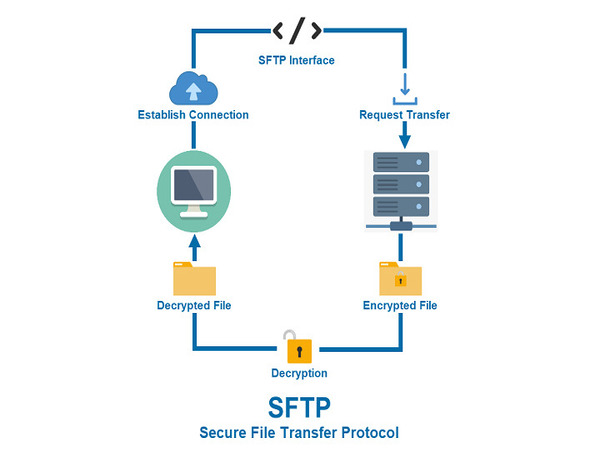
SFTP (SSH File Transfer Protocol) là một giao thức bảo mật cho việc truyền tải file qua mạng. Nó được thiết kế để hoạt động qua một kết nối SSH (Secure Shell), đảm bảo rằng dữ liệu được mã hóa trong quá trình truyền tải. SFTP cung cấp tính năng bảo mật cao hơn so với FTP truyền thống, bao gồm xác thực người dùng và mã hóa dữ liệu, giúp bảo vệ thông tin nhạy cảm trong quá trình trao đổi file.

Lịch sử hình thành và phát triển
Lịch sử hình thành của FileZilla là gì? FileZilla được phát triển lần đầu vào năm 2001 bởi Tim Kosse và một nhóm các nhà phát triển khác. Ban đầu, FileZilla được thiết kế như một dự án mã nguồn mở với mục tiêu cung cấp một ứng dụng FTP mạnh mẽ và dễ sử dụng. Qua nhiều năm, FileZilla đã trải qua nhiều bản cập nhật và cải tiến, mở rộng tính năng và khả năng tương thích với nhiều hệ điều hành khác nhau.

Năm 2003, FileZilla Client và FileZilla Server đã được phát hành dưới dạng phần mềm mã nguồn mở, cho phép người dùng và các nhà phát triển khác đóng góp vào sự phát triển của nó. Từ đó, FileZilla đã trở thành một trong những ứng dụng quản lý file FTP phổ biến nhất trên thế giới, với hàng triệu lượt tải về và một cộng đồng người dùng lớn. Ngày nay, FileZilla tiếp tục được cập nhật và phát triển, bổ sung các tính năng mới để đáp ứng nhu cầu của người dùng trong bối cảnh công nghệ ngày càng thay đổi.

Ưu điểm và nhược điểm của FileZilla

Ưu nhược điểm của FileZilla là gì? FileZilla Server là một trong những phần mềm quản lý FTP được ưa chuộng bởi tính thân thiện và hiệu quả trong việc truyền tải dữ liệu. Tuy nhiên, như bất kỳ công cụ nào khác, FileZilla Server cũng có những ưu điểm và nhược điểm riêng. Việc hiểu rõ những điểm mạnh và điểm yếu này sẽ giúp người dùng đưa ra quyết định sáng suốt khi lựa chọn giải pháp cho nhu cầu truyền tải và quản lý file của mình.

Ưu điểm của FileZilla

Ưu điểm của FileZilla là gì? FileZilla Server sở hữu nhiều ưu điểm nổi bật, khiến nó trở thành lựa chọn hàng đầu cho cả người dùng cá nhân và doanh nghiệp. Từ giao diện thân thiện, khả năng hỗ trợ nhiều giao thức truyền tải đến tính năng bảo mật cao, FileZilla mang lại sự linh hoạt và tiện lợi cho người dùng trong việc quản lý dữ liệu.

  • Miễn phí và mã nguồn mở: FileZilla Server là phần mềm miễn phí, giúp người dùng tiết kiệm chi phí mà vẫn có thể sử dụng các tính năng mạnh mẽ của một máy chủ FTP. Với mã nguồn mở, người dùng có thể tùy chỉnh và phát triển phần mềm theo nhu cầu riêng.
  • Dễ dàng cài đặt và cấu hình: Giao diện người dùng trực quan và dễ sử dụng của FileZilla Server giúp người dùng nhanh chóng thiết lập và cấu hình máy chủ FTP mà không cần nhiều kiến thức kỹ thuật.
  • Hỗ trợ đa giao thức: FileZilla Server hỗ trợ nhiều giao thức truyền tải file, bao gồm FTP, FTPS và SFTP, cho phép người dùng lựa chọn phương thức bảo mật phù hợp.
  • Quản lý người dùng linh hoạt: FileZilla Server cho phép người quản trị dễ dàng quản lý tài khoản người dùng, thiết lập quyền truy cập và kiểm soát thư mục chia sẻ, giúp bảo đảm an ninh cho dữ liệu.
  • Tính năng ghi log: FileZilla Server cung cấp khả năng ghi lại các hoạt động của người dùng, giúp người quản trị theo dõi và kiểm tra các thao tác trên máy chủ.

Tìm hiểu cURL là gì và cách sử dụng cURL cơ bản trong PHP

Tóm lại, ưu điểm của FileZilla Server không chỉ nằm ở sự dễ dàng trong việc sử dụng mà còn ở khả năng bảo mật và tính linh hoạt trong quản lý file. Những yếu tố này thực sự làm cho FileZilla trở thành một công cụ hữu ích, góp phần nâng cao hiệu suất làm việc và giúp người dùng tiết kiệm thời gian trong quá trình truyền tải dữ liệu.

Nhược điểm của FileZilla

Nhược điểm của FileZilla là gì? Việc nhận diện và hiểu rõ những hạn chế này là rất quan trọng để người dùng có thể đưa ra những quyết định đúng đắn khi sử dụng phần mềm. Một số vấn đề có thể ảnh hưởng đến hiệu quả sử dụng của FileZilla cần được xem xét kỹ lưỡng.

  • Thiếu hỗ trợ cho các tính năng nâng cao: Mặc dù FileZilla Server cung cấp các tính năng cơ bản cần thiết cho một máy chủ FTP, nhưng một số tính năng nâng cao có thể không được hỗ trợ, như quản lý băng thông chi tiết hoặc xác thực LDAP.
  • Chưa tối ưu cho môi trường doanh nghiệp lớn: FileZilla Server có thể không đáp ứng tốt nhất cho các tổ chức lớn với nhu cầu phức tạp về bảo mật và quản lý người dùng.
  • Chưa có giao diện web: FileZilla Server không có giao diện web tích hợp, điều này có thể làm khó khăn cho việc quản lý từ xa so với một số phần mềm máy chủ FTP khác.

Nhìn chung, nhược điểm của FileZilla Server như vấn đề bảo mật và khả năng hỗ trợ các tính năng nâng cao có thể là trở ngại cho một số người dùng. Tuy nhiên, việc nhận thức rõ về những nhược điểm này sẽ giúp người dùng có thể áp dụng các biện pháp khắc phục và tối ưu hóa quá trình sử dụng.

Các tính năng nổi bật của FileZilla

Các tính năng của FileZilla là gì? FileZilla không chỉ là một phần mềm FTP thông thường mà còn là một công cụ đa chức năng với nhiều tính năng nổi bật. Từ việc hỗ trợ nhiều giao thức truyền tải đến khả năng quản lý file một cách linh hoạt, FileZilla đáp ứng nhu cầu của cả cá nhân lẫn doanh nghiệp. Dưới đây là các tính năng nổi bật của FileZilla sẽ giúp người dùng nhận biết được những lợi ích mà phần mềm này mang lại.

Tính năng nổi bật

FileZilla nổi bật với nhiều tính năng đặc trưng, giúp đơn giản hóa quá trình truyền tải file và quản lý server. Những tính năng này không chỉ giúp cải thiện hiệu suất làm việc mà còn mang lại trải nghiệm người dùng tốt nhất. Việc hiểu rõ những tính năng nổi bật của FileZilla sẽ giúp người dùng tận dụng tối đa công cụ này.

  • Kéo và thả: Người dùng có thể dễ dàng kéo và thả file giữa máy tính và máy chủ, giúp tiết kiệm thời gian và thao tác.
  • Quản lý nhiều kết nối: FileZilla cho phép người dùng mở nhiều kết nối FTP cùng lúc, giúp tăng tốc độ truyền tải dữ liệu.
  • Hỗ trợ các giao thức bảo mật: FileZilla hỗ trợ FTPS (FTP Secure) và SFTP (SSH File Transfer Protocol), giúp bảo vệ dữ liệu trong quá trình truyền tải.
  • Quản lý hàng đợi truyền tải: Người dùng có thể xem và quản lý các file đang được tải lên hoặc tải xuống, giúp kiểm soát tốt hơn quá trình truyền tải.

Những tính năng này không chỉ giúp cải thiện hiệu quả công việc mà còn nâng cao trải nghiệm người dùng, biến FileZilla trở thành một trong những lựa chọn phổ biến nhất trong lĩnh vực truyền tải dữ liệu.

Các tính năng khác

Ngoài những tính năng nổi bật, FileZilla còn cung cấp nhiều chức năng khác giúp nâng cao khả năng quản lý và truyền tải file. Những tính năng này tuy không được nhắc đến nhiều nhưng lại đóng vai trò quan trọng trong việc hoàn thiện trải nghiệm người dùng. Khám phá các tính năng khác của FileZilla sẽ giúp người dùng khai thác tối đa tiềm năng của phần mềm.

  • Lưu trữ thông tin đăng nhập: FileZilla cho phép lưu trữ thông tin đăng nhập cho các máy chủ FTP khác nhau, giúp người dùng dễ dàng truy cập mà không cần nhập lại mật khẩu.
  • Báo cáo lỗi: FileZilla có khả năng thông báo lỗi chi tiết, giúp người dùng dễ dàng xác định và khắc phục sự cố trong quá trình truyền tải.
  • Tùy chỉnh giao diện: Người dùng có thể tùy chỉnh giao diện của FileZilla theo sở thích cá nhân, giúp cải thiện trải nghiệm sử dụng.

Các tính năng khác của FileZilla, từ quản lý file đến tùy chỉnh cài đặt, tạo ra một môi trường làm việc linh hoạt và hiệu quả. Việc tận dụng những chức năng này sẽ giúp người dùng không chỉ tiết kiệm thời gian mà còn nâng cao độ chính xác trong quá trình truyền tải dữ liệu.

Các thuật ngữ quan trọng khi sử dụng FileZilla

Thuật ngữ khi sử dụng FileZilla là gì? Khi sử dụng FileZilla Server, việc hiểu rõ các thuật ngữ chuyên ngành là điều cần thiết để người dùng có thể tối ưu hóa quá trình truyền tải file. Những thuật ngữ này không chỉ giúp người dùng nắm bắt cách thức hoạt động của phần mềm mà còn giúp họ giải quyết các vấn đề phát sinh một cách hiệu quả hơn.

  • FTP (File Transfer Protocol): Giao thức truyền tải file được sử dụng để truyền dữ liệu giữa máy tính và máy chủ.

  • FTPS: Phiên bản FTP an toàn, sử dụng SSL/TLS để mã hóa dữ liệu trong quá trình truyền tải.

  • SFTP: Giao thức truyền tải file qua SSH, cung cấp tính năng bảo mật cao hơn cho việc truyền tải dữ liệu.

  • Tài khoản người dùng: Thông tin đăng nhập được sử dụng để xác thực người dùng khi kết nối đến máy chủ FTP.

  • Quyền truy cập: Các quyền mà người dùng được cấp để thực hiện các thao tác trên file và thư mục, như đọc, ghi hoặc xóa.

  • Thư mục chia sẻ: Thư mục trên máy chủ nơi người dùng có thể truy cập và truyền tải file.

  • Ghi log: Tính năng cho phép ghi lại các hoạt động của người dùng trên máy chủ, phục vụ cho việc kiểm tra và theo dõi.

Nắm vững các thuật ngữ quan trọng khi sử dụng FileZilla sẽ giúp người dùng tự tin hơn trong việc quản lý file và cấu hình server. Sự hiểu biết này không chỉ giúp nâng cao kỹ năng sử dụng phần mềm mà còn tạo điều kiện thuận lợi cho việc trao đổi thông tin và giải quyết các vấn đề kỹ thuật trong quá trình làm việc.

Hướng dẫn cài đặt và sử dụng FileZilla Client

FileZilla Client là một công cụ FTP (File Transfer Protocol) miễn phí và mã nguồn mở, giúp bạn dễ dàng quản lý các file trên máy chủ web từ xa. Với FileZilla, bạn có thể tải lên, tải xuống và chỉnh sửa các file trên hosting một cách nhanh chóng và hiệu quả. Trong phần này sẽ hướng dẫn bạn chi tiết cách cài đặt và sử dụng FileZilla Client.

VPS Windows là gì? Tìm hiểu cơ bản về dịch vụ máy chủ ảo Windows

Cách tải và cài đặt FileZilla
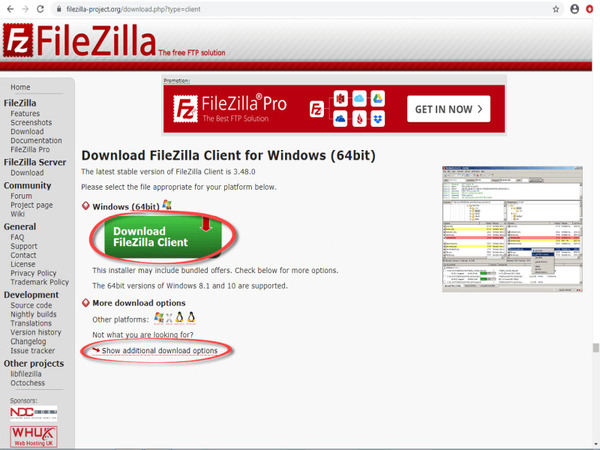
Việc tải và cài đặt FileZilla tương đối đơn giản và nhanh chóng, giúp người dùng dễ dàng bắt đầu quản lý file của mình. Trong phần hướng dẫn này, chúng ta sẽ tìm hiểu quy trình tải và cài đặt FileZilla để bạn có thể sử dụng phần mềm này một cách hiệu quả.

  • Truy cập trang web chính thức của FileZilla: Vào filezilla-project.org.
  • Chọn phiên bản phù hợp: Nhấp vào nút "Download FileZilla Client" và chọn phiên bản tương thích với hệ điều hành của bạn (Windows, macOS, hoặc Linux).
  • Tải về và cài đặt:
    • Đối với Windows: Nhấp đúp vào file .exe vừa tải về, sau đó làm theo hướng dẫn để cài đặt.
    • Đối với macOS: Kéo file FileZilla vào thư mục Applications.
    • Đối với Linux: Bạn có thể cài đặt FileZilla thông qua các package manager như APT (Ubuntu) hoặc YUM (CentOS).
  • Khởi động FileZilla: Sau khi cài đặt, mở FileZilla để bắt đầu sử dụng.

Cách tạo tài khoản FTP trên hosting
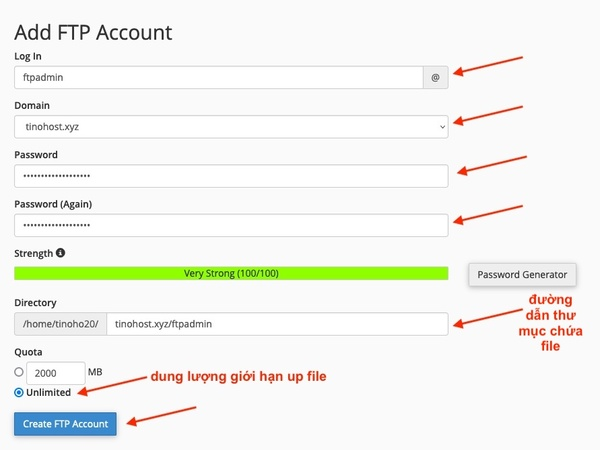
Tài khoản FTP cho phép bạn kết nối với hosting, từ đó thực hiện các thao tác như tải lên hoặc tải xuống file. Dưới đây là hướng dẫn chi tiết từng bước để tạo tài khoản FTP trên hosting một cách đơn giản và nhanh chóng.

  • Đăng nhập vào cPanel: Sử dụng thông tin đăng nhập do nhà cung cấp hosting cung cấp.
  • Truy cập mục FTP Accounts: Tìm và chọn mục "FTP Accounts" hoặc "Tài khoản FTP" trong cPanel.
  • Tạo tài khoản FTP mới:
    • Username: Điền tên người dùng cho tài khoản FTP.
    • Password: Nhập mật khẩu và xác nhận mật khẩu.
    • Directory: Chọn thư mục gốc mà tài khoản FTP có thể truy cập. Thường là "/public_html/".
    • Quota: Đặt giới hạn dung lượng cho tài khoản này nếu cần, hoặc chọn "Unlimited" để không giới hạn.
  • Nhấp vào "Create Account": Hoàn tất việc tạo tài khoản FTP.

Cách đăng nhập FTP vào hosting
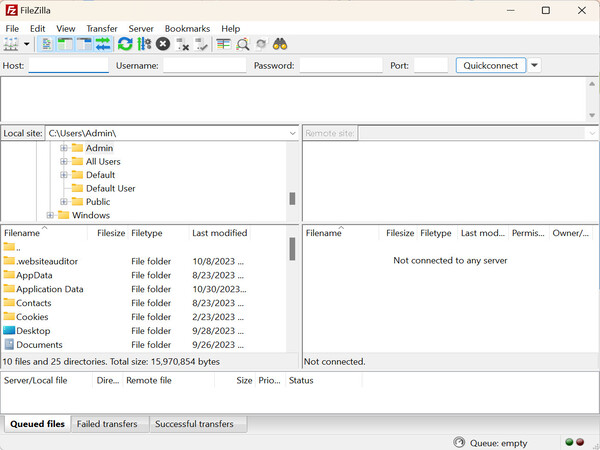
Sau khi đã tạo tài khoản FTP trên hosting, bước tiếp theo là đăng nhập vào FTP để quản lý file. Việc đăng nhập FTP cho phép bạn truy cập vào các file và thư mục trên máy chủ, giúp bạn thực hiện các thao tác như tải lên, tải xuống, hoặc chỉnh sửa file.

  • Mở FileZilla: Khởi động ứng dụng FileZilla Client.
  • Nhập thông tin kết nối:
    • Host: Nhập địa chỉ IP hoặc tên miền của máy chủ hosting.
    • Username: Tên người dùng FTP bạn đã tạo.
    • Password: Mật khẩu tương ứng với tài khoản FTP.
    • Port: Thường để mặc định là 21, hoặc 22 nếu bạn sử dụng SFTP.
  • Nhấp vào "Quickconnect": FileZilla sẽ kết nối tới máy chủ và hiển thị cấu trúc thư mục của bạn trên máy chủ ở cột bên phải.

Cách chỉnh sửa file với FileZilla
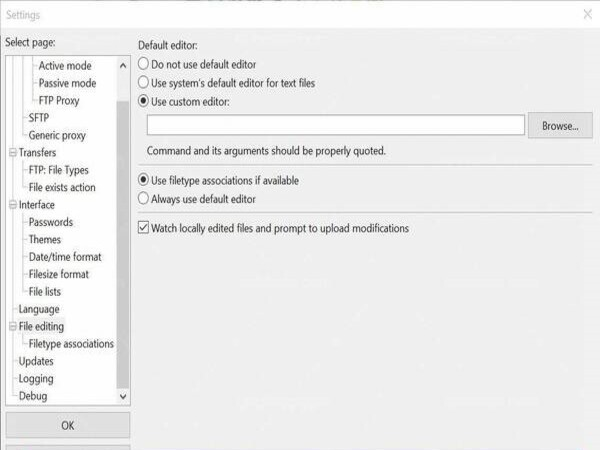
Chỉnh sửa file trên hosting là một trong những tính năng hữu ích mà FileZilla cung cấp cho người dùng. Thao tác này giúp bạn cập nhật nội dung của file mà không cần tải xuống và tải lên lại, tiết kiệm thời gian và công sức. Trong phần hướng dẫn này, sẽ giúp bạn hiểu rõ cách chỉnh sửa file một cách hiệu quả với FileZilla.

  • Kết nối FTP: Đăng nhập vào máy chủ FTP như đã hướng dẫn ở trên.

  • Tìm file cần chỉnh sửa: Ở cột bên phải, tìm đến thư mục và file mà bạn muốn chỉnh sửa.

  • Chọn file và nhấp chuột phải: Chọn "View/Edit" (Xem/Sửa).

  • Sửa file bằng trình soạn thảo: File sẽ mở bằng trình soạn thảo văn bản mặc định (Notepad, Sublime Text, v.v.). Bạn có thể chỉnh sửa và lưu lại.

  • Lưu thay đổi và cập nhật: Sau khi chỉnh sửa, lưu lại file và FileZilla sẽ tự động cập nhật file trên máy chủ.

Cách đăng tải và tải dữ liệu lên hosting với FileZilla
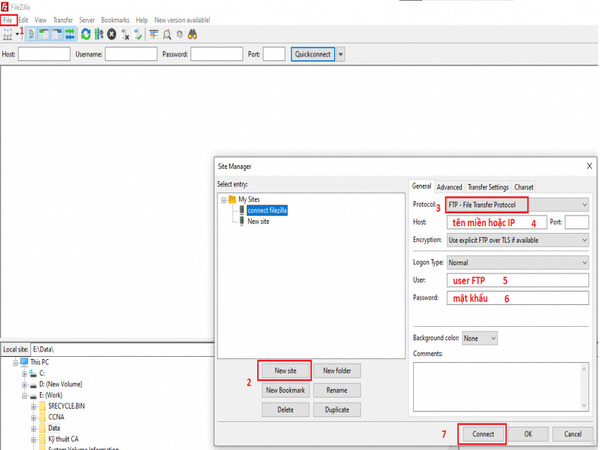
Đăng tải và tải dữ liệu lên hosting là một trong những chức năng chính của FileZilla, cho phép bạn quản lý file một cách hiệu quả. Bằng cách sử dụng FileZilla, bạn có thể dễ dàng truyền tải dữ liệu từ máy tính cá nhân lên máy chủ hosting, cũng như tải xuống các file cần thiết.

  • Tải dữ liệu lên máy chủ:
    • Kết nối tới máy chủ FTP: Đăng nhập như hướng dẫn ở phần 4.
    • Chọn file từ máy tính: Ở cột bên trái, chọn file hoặc thư mục mà bạn muốn tải lên.
    • Kéo và thả vào cột bên phải: Kéo file từ cột bên trái (máy tính của bạn) sang cột bên phải (máy chủ). FileZilla sẽ tự động tải lên máy chủ.
  • Tải dữ liệu từ máy chủ về máy tính:
    • Chọn file từ máy chủ: Ở cột bên phải, chọn file hoặc thư mục mà bạn muốn tải về.
    • Kéo và thả vào cột bên trái: Kéo file từ cột bên phải (máy chủ) sang cột bên trái (máy tính của bạn). File sẽ được tải về máy tính của bạn.

Cài đặt và sử dụng FileZilla Server Interface

FileZilla Server là một công cụ mạnh mẽ giúp người dùng thiết lập và quản lý máy chủ FTP. Dưới đây là hướng dẫn chi tiết từng bước để cài đặt và sử dụng FileZilla Server Interface.

Tải và cài đặt FileZilla Server Interface
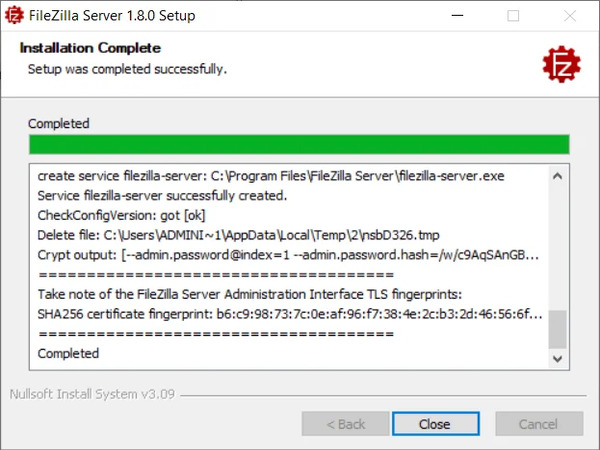
Để bắt đầu sử dụng FileZilla Server, bước đầu tiên là tải và cài đặt FileZilla Server Interface. Quy trình này rất đơn giản và nhanh chóng, giúp bạn sớm có thể tận dụng những tính năng hữu ích mà phần mềm này mang lại.

  • Tải FileZilla Server: Truy cập trang web chính thức của FileZilla (https://filezilla-project.org/) và tìm mục tải xuống cho FileZilla Server. Chọn phiên bản phù hợp với hệ điều hành của bạn (Windows, macOS, hoặc Linux).
  • Cài đặt: Sau khi tải xong, chạy file cài đặt. Bạn sẽ được hướng dẫn qua các bước cài đặt. Đảm bảo chọn tùy chọn để cài đặt giao diện quản lý server, sau đó hoàn tất cài đặt.
  • Khởi động Server: Khi cài đặt hoàn tất, khởi động FileZilla Server Interface từ menu Start hoặc màn hình chính.

Thiết lập Group trên FileZilla Server
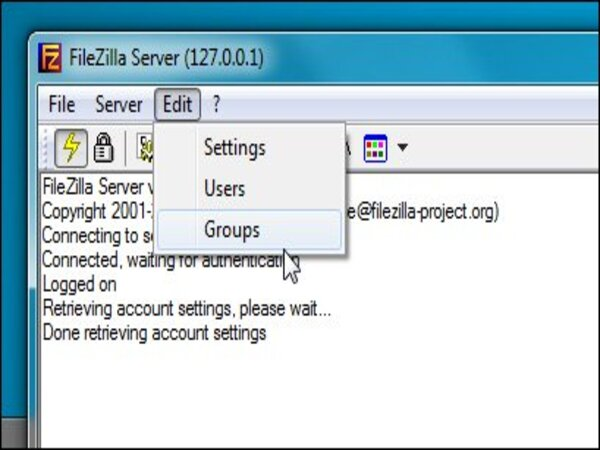
Trong môi trường máy chủ FTP, việc tổ chức người dùng vào các nhóm là rất quan trọng để quản lý quyền truy cập và bảo mật dữ liệu. FileZilla Server cho phép bạn thiết lập các nhóm người dùng (Group) một cách dễ dàng, giúp bạn kiểm soát quyền truy cập cho từng nhóm người dùng.

  • Mở giao diện quản lý: Sau khi khởi động FileZilla Server Interface, kết nối đến server (mặc định là localhost với cổng 14147).
  • Thêm Group mới: Trong menu bên trái, chọn "Edit" > "Groups." Bấm vào nút "Add" để tạo một group mới. Nhập tên group và thiết lập quyền truy cập cho group đó.
  • Cấu hình quyền: Bạn có thể thiết lập quyền truy cập cho các thư mục cụ thể như đọc, ghi, xóa, hoặc thay đổi file. Sau khi hoàn tất, nhấn "OK" để lưu.

Thiết lập User trên FileZilla Server
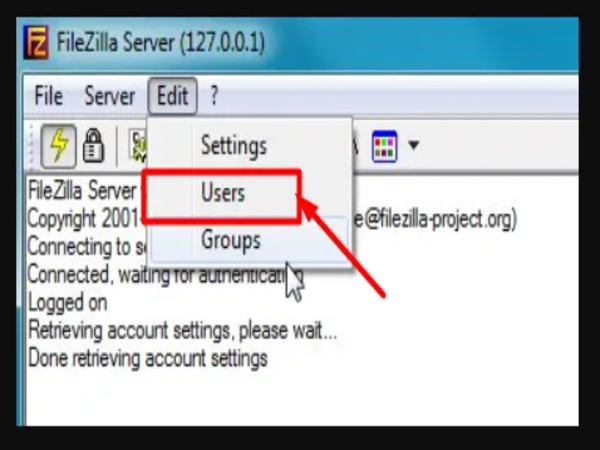
Sau khi đã thiết lập các nhóm người dùng, bước tiếp theo là tạo tài khoản người dùng (User) trên FileZilla Server. Việc thiết lập user cho phép bạn chỉ định quyền truy cập cụ thể cho từng người dùng, từ đó đảm bảo an toàn cho dữ liệu trên máy chủ.

  • Thêm User mới: Trong giao diện quản lý, chọn "Edit" > "Users." Bấm vào nút "Add" để tạo một user mới. Nhập tên người dùng và nhấn "OK."
  • Gán User vào Group: Trong tab "Groups," bạn có thể chọn group mà user này sẽ thuộc về để kế thừa quyền truy cập.
  • Cấu hình mật khẩu: Trong tab "General," bạn có thể thiết lập mật khẩu cho người dùng. Đảm bảo mật khẩu đủ mạnh để bảo vệ tài khoản.
  • Chọn thư mục chia sẻ: Trong tab "Shared folders," chọn thư mục mà user sẽ có quyền truy cập và thiết lập các quyền cho thư mục đó.

LDAP Server là gì? Khái niệm và ứng dụng cơ bản

Kết nối FileZilla Server với FileZilla Client
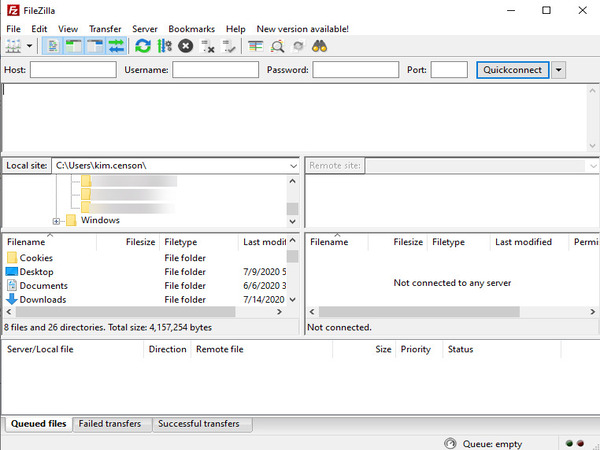
Để truyền tải dữ liệu giữa máy tính cá nhân và máy chủ FTP, bạn cần kết nối FileZilla Server với FileZilla Client. Việc kết nối này cho phép bạn quản lý file một cách hiệu quả, thực hiện các thao tác như tải lên, tải xuống, và chỉnh sửa file.

  • Mở FileZilla Client: Tải và cài đặt FileZilla Client từ trang web chính thức (https://filezilla-project.org/).
  • Kết nối đến server: Mở FileZilla Client và nhập địa chỉ IP của máy chủ (hoặc localhost nếu bạn đang kết nối trên cùng một máy), tên người dùng và mật khẩu đã thiết lập. Nhấn "Quickconnect" để kết nối.
  • Kiểm tra kết nối: Nếu mọi thứ được thiết lập đúng, bạn sẽ thấy thư mục chia sẻ của server trong FileZilla Client.

Cấu hình Windows Firewall cho FileZilla
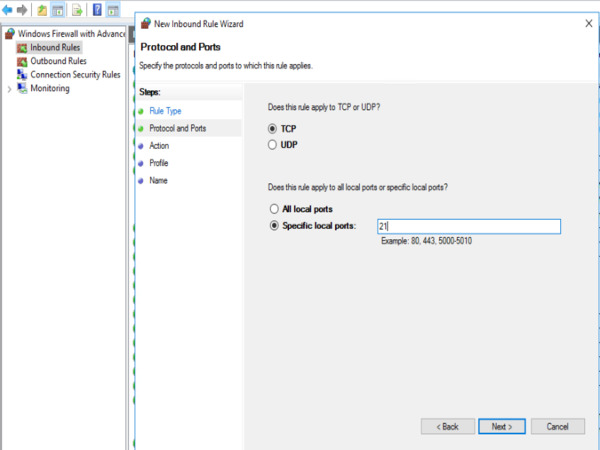
Để đảm bảo FileZilla Server hoạt động đúng cách và có thể nhận kết nối từ bên ngoài, việc cấu hình Windows Firewall là một bước quan trọng. Firewall có thể chặn các kết nối đến máy chủ của bạn nếu không được cấu hình đúng, gây ra các vấn đề trong quá trình truyền tải dữ liệu.

  • Mở Windows Firewall: Truy cập Control Panel > System and Security > Windows Defender Firewall. Nhấp vào "Advanced settings."
  • Thêm quy tắc cho phép: Trong "Inbound Rules," chọn "New Rule." Chọn "Port" và nhấn "Next." Nhập cổng mà - FileZilla Server đang sử dụng (mặc định là 21 cho FTP). Nhấn "Next" và chọn "Allow the connection." Hoàn tất quy trình.
  • Lặp lại cho cổng 14147: Nếu bạn đang sử dụng FileZilla Server Interface trên cổng 14147, lặp lại quy trình để thêm quy tắc cho cổng này.

Map FTP Share
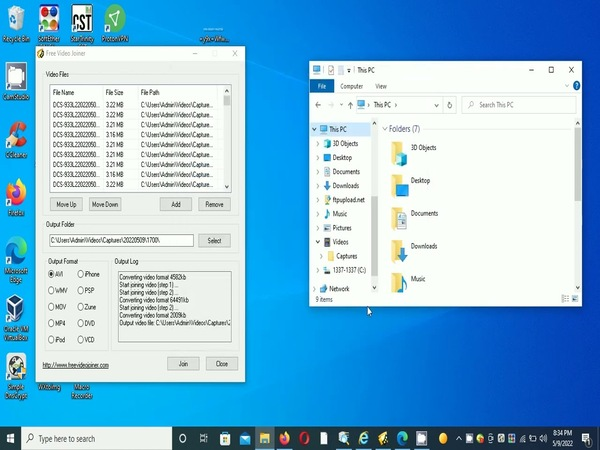
Mapping FTP Share là một kỹ thuật hữu ích cho phép người dùng truy cập các thư mục trên máy chủ FTP như thể chúng là một phần của hệ thống file địa phương. Việc này giúp đơn giản hóa quá trình truyền tải và quản lý file, mang lại sự tiện lợi cho người dùng.

  • Mở File Explorer: Truy cập vào File Explorer trên máy tính.
  • Map Network Drive: Nhấp chuột phải vào "This PC" và chọn "Map network drive."
  • Nhập thông tin kết nối: Chọn một ký tự ổ đĩa và nhập địa chỉ FTP theo định dạng ftp://your-server-ip hoặc ftp://localhost. Nhấn "Finish."
  • Nhập thông tin đăng nhập: Nếu được yêu cầu, nhập tên người dùng và mật khẩu đã thiết lập trên FileZilla Server để hoàn tất kết nối.

Việc cài đặt và sử dụng FileZilla Server Interface không chỉ giúp bạn dễ dàng quản lý máy chủ FTP mà còn cho phép thiết lập quyền truy cập linh hoạt cho người dùng. Bằng cách thực hiện từng bước trên, bạn có thể thiết lập một môi trường chia sẻ file an toàn và hiệu quả.

Một số lưu ý khi sử dụng FileZilla
Lưu ý khi sử dụng FileZilla là gì? Khi sử dụng FileZilla, người dùng nên chú ý đến một số yếu tố để tối ưu hóa trải nghiệm và đảm bảo an toàn cho dữ liệu. Dưới đây là một số lưu ý cần thiết, giúp bạn sử dụng FileZilla một cách hiệu quả:

  • Kiểm tra phiên bản FileZilla: Hãy chắc chắn rằng bạn đang sử dụng phiên bản mới nhất của FileZilla để đảm bảo có được các tính năng mới nhất và vá lỗi bảo mật. Truy cập trang web chính thức để kiểm tra các bản cập nhật.

  • Bảo mật thông tin đăng nhập: Sử dụng mật khẩu mạnh cho các tài khoản người dùng, bao gồm chữ cái hoa, chữ cái thường, số và ký tự đặc biệt. Tránh sử dụng thông tin dễ đoán như tên hoặc ngày sinh. Để bảo vệ dữ liệu trong quá trình truyền tải, hãy sử dụng các giao thức bảo mật như FTPS hoặc SFTP thay vì FTP thông thường.

  • Quản lý quyền truy cập: Khi tạo người dùng và nhóm, hãy thiết lập quyền truy cập một cách cẩn thận để ngăn chặn việc truy cập trái phép vào các thư mục nhạy cảm. Định kỳ xem xét và điều chỉnh quyền truy cập của người dùng để đảm bảo không ai có quyền truy cập không cần thiết.

  • Sao lưu dữ liệu: Để tránh mất dữ liệu quan trọng, hãy thiết lập một quy trình sao lưu thường xuyên cho các file và thư mục trên máy chủ FTP.

  • Giám sát hoạt động: FileZilla Server cho phép bạn ghi lại các hoạt động của người dùng. Theo dõi các log này để phát hiện các hành vi bất thường hoặc có thể gây ra vấn đề bảo mật.

  • Cấu hình tường lửa: Đảm bảo rằng các cổng mà FileZilla Server sử dụng được mở trên tường lửa của hệ điều hành. Kiểm tra và cấu hình lại nếu cần thiết để tránh việc ngăn cản kết nối.

  • Hướng dẫn người dùng: Nếu bạn quản lý một nhóm người dùng, hãy cung cấp hướng dẫn và đào tạo để họ hiểu cách sử dụng FileZilla một cách hiệu quả và an toàn. Giới thiệu cho người dùng các tính năng như kéo và thả, quản lý hàng đợi truyền tải và cách thay đổi quyền truy cập để họ có thể sử dụng công cụ một cách tối ưu.

  • Thử nghiệm trước khi triển khai: Nếu bạn thực hiện các thay đổi lớn trong cấu hình, hãy thử nghiệm trên một môi trường không phải là sản xuất để đảm bảo rằng không có vấn đề gì xảy ra.

Việc sử dụng FileZilla có thể mang lại nhiều lợi ích trong việc quản lý và truyền tải dữ liệu, nhưng việc chú ý đến các yếu tố bảo mật, quyền truy cập, và quản lý dữ liệu là rất quan trọng. Bằng cách thực hiện những lưu ý trên, bạn có thể đảm bảo rằng môi trường FTP của mình an toàn và hiệu quả.

{{< test-result title="So sánh phần mềm FTP Client" columns="Phần mềm | Giá | Nền tảng | Giao thức | Giao diện | Phù hợp" rows="FileZilla | Miễn phí | Windows/macOS/Linux | FTP/FTPS/SFTP | Tốt | Mọi đối tượng;WinSCP | Miễn phí | Windows | FTP/SFTP/SCP | Tốt | Windows user;Transmit | Trả phí ($45) | macOS | FTP/SFTP + Cloud | Rất tốt | macOS developer;Cyberduck | Miễn phí | Windows/macOS | FTP/SFTP + Cloud | Tốt | Tích hợp cloud;WS_FTP Pro | Trả phí | Windows | FTP/FTPS/SFTP | Tốt | Doanh nghiệp" />}}

Bảo mật khi dùng FileZilla

Luôn sử dụng SFTP hoặc FTPS thay vì FTP plain. Không lưu mật khẩu trong Site Manager nếu dùng máy tính chung. Cập nhật FileZilla lên phiên bản mới nhất để vá lỗ hổng bảo mật.

Kết luận: FileZilla là phần mềm FTP mã nguồn mở mạnh mẽ, hỗ trợ FTP/FTPS/SFTP trên đa nền tảng. Với giao diện trực quan, khả năng kéo thả, quản lý nhiều kết nối đồng thời, FileZilla là lựa chọn lý tưởng cho cả người dùng cá nhân và quản trị viên hệ thống trong việc truyền tải và quản lý file.

Nguồn tham khảo
  1. FileZilla Official Documentation — Tài liệu chính thức của FileZilla
  2. FileZilla Download Page — Trang tải FileZilla Client và Server
  3. DigitalOcean — How to Use FileZilla — Hướng dẫn sử dụng FileZilla
  4. Cloudflare — What is FTP? — Giải thích giao thức FTP
  5. Mozilla — SFTP Best Practices — Hướng dẫn bảo mật SSH/SFTP từ Mozilla

Câu hỏi thường gặpQ&A
FileZilla là gì?
FileZilla là phần mềm mã nguồn mở miễn phí dùng để truyền tải file qua FTP, FTPS và SFTP. Có hai phiên bản: FileZilla Client (cài trên máy tính để kết nối server) và FileZilla Server (thiết lập máy chủ FTP).
FileZilla Client và FileZilla Server khác nhau thế nào?
FileZilla Client là ứng dụng cài trên máy tính cá nhân để kết nối và truyền file tới server. FileZilla Server là phần mềm máy chủ cho phép thiết lập FTP server riêng, quản lý tài khoản và quyền truy cập.
FileZilla có miễn phí không?
Có, FileZilla Client và FileZilla Server đều miễn phí và mã nguồn mở. FileZilla Pro là phiên bản trả phí bổ sung hỗ trợ Amazon S3, Google Cloud Storage, Dropbox và các dịch vụ lưu trữ đám mây khác.
FileZilla hỗ trợ những giao thức nào?
FileZilla hỗ trợ FTP (không mã hóa), FTPS (FTP qua SSL/TLS) và SFTP (SSH File Transfer Protocol). Nên dùng FTPS hoặc SFTP để bảo mật dữ liệu truyền tải.
Cách kết nối FileZilla với hosting?
Mở FileZilla Client, nhập Host (IP hoặc domain), Username, Password và Port (21 cho FTP, 22 cho SFTP) vào thanh Quickconnect rồi nhấn kết nối. Thông tin FTP lấy từ cPanel hosting.

FileZilla is the most popular open-source FTP software, supporting FTP/FTPS/SFTP for transferring files between computers and servers. This article provides a detailed guide on installing FileZilla Client and Server, creating FTP accounts, connecting to hosting, along with important security considerations.

Overview of FileZilla

FileZilla is a popular FTP (File Transfer Protocol) file management software used for transferring data between personal computers and servers. It supports multiple file transfer protocols, including FTP, FTPS, and SFTP, helping users manage and transfer files efficiently and securely.

What is FileZilla?

What is FileZilla? FileZilla is an open-source software that allows users to transfer files over a network. It was developed to make uploading and downloading files between computers and servers simpler and more intuitive. FileZilla is available on multiple operating systems such as Windows, macOS, and Linux. With its user-friendly and easy-to-use interface, it is very popular among developers, system administrators, and individual users.

What is FileZilla Client?

FileZilla Client is the application version that users install on their personal computers to connect and manage files on a server. It allows users to perform operations such as uploading, downloading, deleting, and editing files on the server. FileZilla Client supports many useful features such as drag and drop, managing multiple simultaneous connections, and secure protocols like FTPS and SFTP.

What is FileZilla Server?

FileZilla Server is server software that allows users to set up their own FTP server. It enables users to share files over a network and manage access permissions for other users. FileZilla Server provides an easy-to-use management interface that allows configuration of settings such as user accounts, shared directories, and security options. It is an ideal solution for those who want to set up an FTP server for their organization or personal use.

What is SFTP?

SFTP (SSH File Transfer Protocol) is a secure protocol for transferring files over a network. It is designed to operate over an SSH (Secure Shell) connection, ensuring that data is encrypted during transfer. SFTP provides higher security than traditional FTP, including user authentication and data encryption, helping protect sensitive information during file exchanges.

History and Development

What is the history of FileZilla? FileZilla was first developed in 2001 by Tim Kosse and a group of other developers. Initially, FileZilla was designed as an open-source project with the goal of providing a powerful and easy-to-use FTP application. Over the years, FileZilla has undergone many updates and improvements, expanding its features and compatibility with different operating systems.

In 2003, FileZilla Client and FileZilla Server were released as open-source software, allowing users and other developers to contribute to its development. Since then, FileZilla has become one of the most popular FTP file management applications in the world, with millions of downloads and a large user community. Today, FileZilla continues to be updated and developed, adding new features to meet user needs in an ever-changing technological landscape.

Advantages and Disadvantages of FileZilla

What are the advantages and disadvantages of FileZilla? FileZilla Server is one of the most popular FTP management software due to its user-friendliness and efficiency in data transfer. However, like any other tool, FileZilla Server has its own advantages and disadvantages. Understanding these strengths and weaknesses will help users make informed decisions when choosing a solution for their file transfer and management needs.

Advantages of FileZilla

What are the advantages of FileZilla? FileZilla Server possesses many outstanding advantages, making it a top choice for both individual users and businesses. From its user-friendly interface, support for multiple transfer protocols, to high security features, FileZilla provides flexibility and convenience for users in data management.

  • Free and open-source: FileZilla Server is free software, helping users save costs while still utilizing the powerful features of an FTP server. With open-source code, users can customize and develop the software according to their own needs.
  • Easy to install and configure: FileZilla Server's intuitive and easy-to-use interface helps users quickly set up and configure an FTP server without requiring extensive technical knowledge.
  • Multi-protocol support: FileZilla Server supports multiple file transfer protocols, including FTP, FTPS, and SFTP, allowing users to choose the appropriate security method.
  • Flexible user management: FileZilla Server allows administrators to easily manage user accounts, set access permissions, and control shared directories, ensuring data security.
  • Logging capability: FileZilla Server provides the ability to log user activities, helping administrators monitor and audit operations on the server.

Learn what cURL is and basic cURL usage in PHP

In summary, the advantages of FileZilla Server lie not only in its ease of use but also in its security capabilities and flexibility in file management. These factors truly make FileZilla a useful tool that enhances work efficiency and helps users save time during data transfer.

Disadvantages of FileZilla

What are the disadvantages of FileZilla? Identifying and understanding these limitations is very important so that users can make the right decisions when using the software. Some issues that may affect the effectiveness of FileZilla need to be carefully considered.

  • Lack of support for advanced features: Although FileZilla Server provides the basic features necessary for an FTP server, some advanced features may not be supported, such as detailed bandwidth management or LDAP authentication.
  • Not optimized for large enterprise environments: FileZilla Server may not be the best fit for large organizations with complex security and user management requirements.
  • No web interface: FileZilla Server does not have an integrated web interface, which can make remote management difficult compared to some other FTP server software.

Overall, the disadvantages of FileZilla Server, such as security concerns and limited support for advanced features, may be obstacles for some users. However, being aware of these disadvantages will help users apply remedial measures and optimize their usage.

Key Features of FileZilla

What are the features of FileZilla? FileZilla is not just an ordinary FTP software but also a multifunctional tool with many outstanding features. From supporting multiple transfer protocols to flexible file management capabilities, FileZilla meets the needs of both individuals and businesses. Below are the key features of FileZilla that will help users recognize the benefits this software provides.

Outstanding Features

FileZilla stands out with many distinctive features that simplify the file transfer process and server management. These features not only improve work efficiency but also provide the best user experience. Understanding the outstanding features of FileZilla will help users maximize the potential of this tool.

  • Drag and drop: Users can easily drag and drop files between the computer and the server, saving time and effort.
  • Multiple connection management: FileZilla allows users to open multiple FTP connections simultaneously, speeding up data transfer.
  • Secure protocol support: FileZilla supports FTPS (FTP Secure) and SFTP (SSH File Transfer Protocol), protecting data during transfer.
  • Transfer queue management: Users can view and manage files being uploaded or downloaded, providing better control over the transfer process.

These features not only improve work efficiency but also enhance the user experience, making FileZilla one of the most popular choices in the data transfer field.

Other Features

In addition to the outstanding features, FileZilla also provides many other functions that enhance file management and transfer capabilities. Although these features are not mentioned as often, they play an important role in completing the user experience. Exploring other features of FileZilla will help users fully leverage the software's potential.

  • Credential storage: FileZilla allows storing login credentials for different FTP servers, making it easy for users to access without re-entering passwords.
  • Error reporting: FileZilla has the ability to provide detailed error notifications, helping users easily identify and troubleshoot issues during transfer.
  • Interface customization: Users can customize the FileZilla interface according to their personal preferences, improving the user experience.

The other features of FileZilla, from file management to custom settings, create a flexible and efficient working environment. Leveraging these functions will help users not only save time but also improve accuracy during data transfer.

Important Terms When Using FileZilla

What are the key terms when using FileZilla? When using FileZilla Server, understanding technical terminology is essential for users to optimize the file transfer process. These terms not only help users understand how the software works but also help them resolve issues more effectively.

  • FTP (File Transfer Protocol): A file transfer protocol used to transmit data between computers and servers.
  • FTPS: A secure version of FTP that uses SSL/TLS to encrypt data during transfer.
  • SFTP: A file transfer protocol over SSH that provides higher security for data transfer.
  • User account: Login credentials used to authenticate users when connecting to an FTP server.
  • Access permissions: The rights granted to users to perform operations on files and directories, such as read, write, or delete.
  • Shared directory: A directory on the server where users can access and transfer files.
  • Logging: A feature that records user activities on the server for auditing and monitoring purposes.

Mastering the important terms when using FileZilla will help users be more confident in managing files and configuring servers. This understanding not only enhances software usage skills but also facilitates information exchange and resolution of technical issues during work.

Guide to Installing and Using FileZilla Client

FileZilla Client is a free, open-source FTP (File Transfer Protocol) tool that helps you easily manage files on remote web servers. With FileZilla, you can upload, download, and edit files on hosting quickly and efficiently. This section will guide you through the detailed steps of installing and using FileZilla Client.

What is VPS Windows? A Basic Introduction to Windows Virtual Server Services

How to Download and Install FileZilla

Downloading and installing FileZilla is relatively simple and quick, allowing users to easily start managing their files. In this guide, we will walk through the process of downloading and installing FileZilla so you can use the software effectively.

  • Visit the official FileZilla website: Go to filezilla-project.org.
  • Choose the appropriate version: Click the "Download FileZilla Client" button and select the version compatible with your operating system (Windows, macOS, or Linux).
  • Download and install:
    • For Windows: Double-click the downloaded .exe file, then follow the instructions to install.
    • For macOS: Drag the FileZilla file into the Applications folder.
    • For Linux: You can install FileZilla through package managers like APT (Ubuntu) or YUM (CentOS).
  • Launch FileZilla: After installation, open FileZilla to start using it.

How to Create an FTP Account on Hosting

An FTP account allows you to connect to hosting, enabling operations such as uploading or downloading files. Below is a detailed step-by-step guide to creating an FTP account on hosting simply and quickly.

  • Log in to cPanel: Use the login credentials provided by your hosting provider.
  • Access the FTP Accounts section: Find and select "FTP Accounts" in cPanel.
  • Create a new FTP account:
    • Username: Enter the username for the FTP account.
    • Password: Enter the password and confirm it.
    • Directory: Select the root directory that the FTP account can access. Usually "/public_html/".
    • Quota: Set a storage limit for this account if needed, or select "Unlimited" for no limit.
  • Click "Create Account": Complete the FTP account creation.

How to Log In to FTP on Hosting

After creating an FTP account on hosting, the next step is to log in to FTP to manage files. FTP login allows you to access files and directories on the server, enabling operations such as uploading, downloading, or editing files.

  • Open FileZilla: Launch the FileZilla Client application.
  • Enter connection information:
    • Host: Enter the IP address or domain name of the hosting server.
    • Username: The FTP username you created.
    • Password: The password corresponding to the FTP account.
    • Port: Usually left at the default of 21, or 22 if you are using SFTP.
  • Click "Quickconnect": FileZilla will connect to the server and display your directory structure on the server in the right column.

How to Edit Files with FileZilla

Editing files on hosting is one of the useful features that FileZilla provides to users. This operation helps you update file content without needing to download and re-upload, saving time and effort. This guide will help you understand how to edit files efficiently with FileZilla.

  • Connect via FTP: Log in to the FTP server as instructed above.
  • Find the file to edit: In the right column, navigate to the directory and file you want to edit.
  • Right-click the file: Select "View/Edit."
  • Edit the file with a text editor: The file will open in your default text editor (Notepad, Sublime Text, etc.). You can edit and save it.
  • Save changes and update: After editing, save the file and FileZilla will automatically update the file on the server.

How to Upload and Download Data to Hosting with FileZilla

Uploading and downloading data to hosting is one of the main functions of FileZilla, allowing you to manage files efficiently. By using FileZilla, you can easily transfer data from your personal computer to the hosting server, as well as download necessary files.

  • Upload data to the server:
    • Connect to the FTP server: Log in as instructed in section 4.
    • Select files from your computer: In the left column, select the file or folder you want to upload.
    • Drag and drop to the right column: Drag the file from the left column (your computer) to the right column (server). FileZilla will automatically upload it to the server.
  • Download data from the server to your computer:
    • Select files from the server: In the right column, select the file or folder you want to download.
    • Drag and drop to the left column: Drag the file from the right column (server) to the left column (your computer). The file will be downloaded to your computer.

Installing and Using FileZilla Server Interface

FileZilla Server is a powerful tool that helps users set up and manage an FTP server. Below is a detailed step-by-step guide to installing and using the FileZilla Server Interface.

Download and Install FileZilla Server Interface

To start using FileZilla Server, the first step is to download and install the FileZilla Server Interface. This process is very simple and quick, allowing you to take advantage of the useful features this software offers.

  • Download FileZilla Server: Visit the official FileZilla website (https://filezilla-project.org/) and find the download section for FileZilla Server. Select the version compatible with your operating system (Windows, macOS, or Linux).
  • Install: After downloading, run the installation file. You will be guided through the installation steps. Make sure to select the option to install the server management interface, then complete the installation.
  • Start the Server: When installation is complete, launch the FileZilla Server Interface from the Start menu or home screen.

Setting Up Groups on FileZilla Server

In an FTP server environment, organizing users into groups is very important for managing access permissions and data security. FileZilla Server allows you to set up user groups easily, helping you control access permissions for each user group.

  • Open the management interface: After launching the FileZilla Server Interface, connect to the server (default is localhost on port 14147).
  • Add a new Group: In the left menu, select "Edit" > "Groups." Click the "Add" button to create a new group. Enter the group name and set access permissions for that group.
  • Configure permissions: You can set access permissions for specific directories such as read, write, delete, or modify files. When finished, click "OK" to save.

Setting Up Users on FileZilla Server

After setting up user groups, the next step is to create user accounts on FileZilla Server. Setting up users allows you to assign specific access permissions to each user, ensuring data security on the server.

  • Add a new User: In the management interface, select "Edit" > "Users." Click the "Add" button to create a new user. Enter the username and click "OK."
  • Assign User to a Group: In the "Groups" tab, you can select the group that this user will belong to in order to inherit access permissions.
  • Configure password: In the "General" tab, you can set a password for the user. Ensure the password is strong enough to protect the account.
  • Select shared directories: In the "Shared folders" tab, select the directory that the user will have access to and set permissions for that directory.

What is LDAP Server? Concepts and Basic Applications

Connecting FileZilla Server with FileZilla Client

To transfer data between a personal computer and an FTP server, you need to connect FileZilla Server with FileZilla Client. This connection allows you to manage files efficiently, performing operations such as uploading, downloading, and editing files.

  • Open FileZilla Client: Download and install FileZilla Client from the official website (https://filezilla-project.org/).
  • Connect to the server: Open FileZilla Client and enter the server's IP address (or localhost if connecting on the same machine), along with the username and password you set up. Click "Quickconnect" to connect.
  • Verify the connection: If everything is set up correctly, you will see the server's shared directory in FileZilla Client.

Configuring Windows Firewall for FileZilla

To ensure FileZilla Server operates correctly and can receive connections from outside, configuring Windows Firewall is an important step. The firewall can block connections to your server if not configured properly, causing issues during data transfer.

  • Open Windows Firewall: Go to Control Panel > System and Security > Windows Defender Firewall. Click "Advanced settings."
  • Add an allow rule: In "Inbound Rules," select "New Rule." Choose "Port" and click "Next." Enter the port that FileZilla Server is using (default is 21 for FTP). Click "Next" and select "Allow the connection." Complete the process.
  • Repeat for port 14147: If you are using the FileZilla Server Interface on port 14147, repeat the process to add a rule for this port.

Map FTP Share

Mapping FTP Share is a useful technique that allows users to access directories on the FTP server as if they were part of the local file system. This simplifies the file transfer and management process, providing convenience to users.

  • Open File Explorer: Access File Explorer on your computer.
  • Map Network Drive: Right-click on "This PC" and select "Map network drive."
  • Enter connection information: Choose a drive letter and enter the FTP address in the format ftp://your-server-ip or ftp://localhost. Click "Finish."
  • Enter login credentials: If prompted, enter the username and password you set up on FileZilla Server to complete the connection.

Installing and using the FileZilla Server Interface not only helps you easily manage your FTP server but also allows flexible access permission setup for users. By following each step above, you can set up a safe and efficient file sharing environment.

Important Notes When Using FileZilla

What should you note when using FileZilla? When using FileZilla, users should pay attention to several factors to optimize their experience and ensure data security. Below are some essential notes to help you use FileZilla effectively:

  • Check the FileZilla version: Make sure you are using the latest version of FileZilla to ensure you have the newest features and security patches. Visit the official website to check for updates.
  • Secure login credentials: Use strong passwords for user accounts, including uppercase letters, lowercase letters, numbers, and special characters. Avoid using easily guessable information such as names or dates of birth. To protect data during transfer, use secure protocols like FTPS or SFTP instead of regular FTP.
  • Manage access permissions: When creating users and groups, carefully set access permissions to prevent unauthorized access to sensitive directories. Periodically review and adjust user access permissions to ensure no one has unnecessary access.
  • Back up data: To avoid losing important data, establish a regular backup process for files and directories on the FTP server.
  • Monitor activities: FileZilla Server allows you to log user activities. Monitor these logs to detect unusual behavior or potential security issues.
  • Configure the firewall: Ensure that the ports used by FileZilla Server are open on the operating system's firewall. Check and reconfigure if necessary to avoid blocking connections.
  • Train users: If you manage a group of users, provide guidance and training so they understand how to use FileZilla effectively and safely. Introduce users to features such as drag and drop, transfer queue management, and how to change access permissions so they can use the tool optimally.
  • Test before deployment: If you make major configuration changes, test them in a non-production environment to ensure no issues arise.

Using FileZilla can bring many benefits in managing and transferring data, but paying attention to security factors, access permissions, and data management is very important. By following the notes above, you can ensure that your FTP environment is safe and efficient.

{{< test-result title="FTP Client Software Comparison" columns="Software | Price | Platform | Protocol | Interface | Best For" rows="FileZilla | Free | Windows/macOS/Linux | FTP/FTPS/SFTP | Good | Everyone;WinSCP | Free | Windows | FTP/SFTP/SCP | Good | Windows users;Transmit | Paid ($45) | macOS | FTP/SFTP + Cloud | Excellent | macOS developers;Cyberduck | Free | Windows/macOS | FTP/SFTP + Cloud | Good | Cloud integration;WS_FTP Pro | Paid | Windows | FTP/FTPS/SFTP | Good | Enterprises" />}}

Security When Using FileZilla

Always use SFTP or FTPS instead of plain FTP. Do not save passwords in Site Manager if using a shared computer. Update FileZilla to the latest version to patch security vulnerabilities.

Conclusion: FileZilla is a powerful open-source FTP software that supports FTP/FTPS/SFTP across multiple platforms. With its intuitive interface, drag-and-drop capability, and simultaneous connection management, FileZilla is an ideal choice for both individual users and system administrators for file transfer and management.

Sources
  1. FileZilla Official Documentation — Official FileZilla documentation
  2. FileZilla Download Page — FileZilla Client and Server download page
  3. DigitalOcean — How to Use FileZilla — FileZilla usage guide
  4. Cloudflare — What is FTP? — FTP protocol explanation
  5. Mozilla — SFTP Best Practices — SSH/SFTP security guide from Mozilla
Frequently Asked QuestionsQ&A
What is FileZilla?
FileZilla is a free, open-source software used for transferring files via FTP, FTPS, and SFTP. It comes in two versions: FileZilla Client (installed on a computer to connect to a server) and FileZilla Server (for setting up an FTP server).
What is the difference between FileZilla Client and FileZilla Server?
FileZilla Client is an application installed on a personal computer to connect and transfer files to a server. FileZilla Server is server software that allows you to set up your own FTP server, manage accounts, and control access permissions.
Is FileZilla free?
Yes, both FileZilla Client and FileZilla Server are free and open-source. FileZilla Pro is a paid version that adds support for Amazon S3, Google Cloud Storage, Dropbox, and other cloud storage services.
What protocols does FileZilla support?
FileZilla supports FTP (unencrypted), FTPS (FTP over SSL/TLS), and SFTP (SSH File Transfer Protocol). It is recommended to use FTPS or SFTP to secure data during transfer.
How to connect FileZilla to hosting?
Open FileZilla Client, enter the Host (IP or domain), Username, Password, and Port (21 for FTP, 22 for SFTP) in the Quickconnect bar, then click connect. FTP credentials can be obtained from your hosting cPanel.