Cloud is a platform that delivers information technology services over the internet, from data storage to virtual servers and databases. This article helps you understand what Cloud is, popular Cloud services, and why businesses should migrate to cloud computing.
2019Trusted since
B2BData solutions
Data·AIExpertise
Need data solutions for your business?
AlgoData has helped businesses with data engineering, analytics & AI since 2019.
Cloud is a term in information technology, but it does not literally mean a "cloud" in the sky. Here, "cloud" refers to software and services delivered over the internet, rather than through software programs installed on personal computers.
In other words, Cloud is a virtual environment built on network infrastructure and internet services, allowing users to access technology services from providers over the internet without needing expertise or experience in technology or on-premise infrastructure. Cloud can also be understood as a method of using remote servers over the internet to store, manage, access, and process data easily.
"The cloud is a metaphor for the Internet. It is a new name for the Internet. Thanks to this metaphor, Cloud opens up many different ways of understanding."
— Reuven Cohen, Co-founder of Cloud Camp
To better understand what Cloud is, consider the following example:
Suppose you need to rent a server for your business. Normally, you would have to purchase and build your own server system. However, with Cloud, you simply rent a Cloud Server package from any Cloud service provider. The provider takes responsibility for supplying resources and managing infrastructure to meet your needs.
When you hear about Cloud, you may find it familiar because Cloud Computing is the technology built on this Cloud platform. Therefore, Cloud is the foundation for developing other related technologies and services.
Why is it called "Cloud"?
One of the reasons Cloud has become a popular choice is its convenience and high reliability. For example, if you have used web-based email services like Gmail, you are actually using Cloud. Most web-based email services use Cloud technology to store data instead of relying on computer hardware.
Let's explore why Cloud has become such a valuable technology:
Data Storage Space
One of the biggest benefits of Cloud is the ability to store all types of information and data, from emails to other files. You can easily access and view this data from any device, as long as you have an internet connection.
A prime example of Cloud in this case is Google Drive — a well-known cloud storage service that most people are familiar with.
Easy Information Sharing
Cloud helps you share information and data quickly and easily with multiple people at once. For example, after uploading some photos to iCloud Photos, you can immediately share them with friends and family.
Data Backup Support
As a virtual storage space on the internet, Cloud helps you back up and restore data whenever needed, ensuring your information is protected. You can set up applications to automatically back up data to the Cloud, safeguarding important information.
Once your data is backed up on the Cloud, even if your device encounters problems or breaks down, you can still easily access and recover your information.
With these examples, you can clearly see the benefits of using Cloud. Next, let's explore other services related to Cloud technology.
Before Cloud: How Did Businesses Operate Their IT Systems?
Before cloud computing became widespread, businesses typically operated their IT systems by building and maintaining physical servers on-premise. This was not only expensive but also required IT specialists to maintain, upgrade equipment, and ensure security.
High Maintenance Costs
Investing in hardware and software was a major burden for many businesses, especially small ones. Costs for servers, storage devices, maintenance, energy, space, and personnel for system management were very high.
Difficulty in Scaling
As business needs grew, scaling IT systems often took a long time and significant investment. Businesses frequently had to purchase additional equipment and upgrade software, consuming considerable resources.
Security Risks
By self-managing their systems, businesses faced information security risks. Cyberattacks, data leaks, and personal information breaches were ever-present threats. Maintaining a robust security system required substantial investment and specialized expertise.
List of Cloud Manifestations in Cloud Computing Services
Cloud is present in many different services, from data storage to infrastructure and software provisioning. Below are some important manifestations of cloud in the modern technology world.
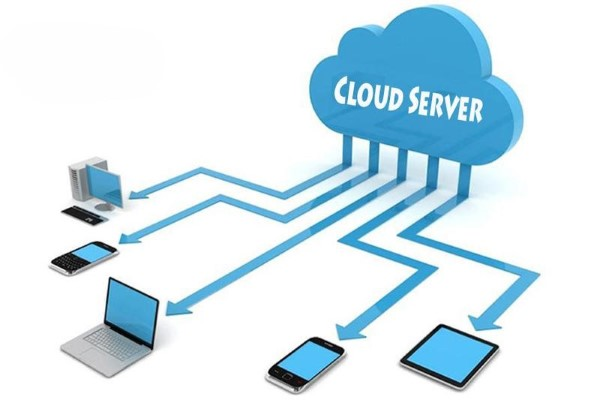
Cloud Server is a service that provides virtual servers operating on the Cloud platform. Instead of using physical servers, businesses can choose Cloud Server services to store, manage, and access data over the internet.
Cloud Server offers the outstanding advantages of cloud computing, including flexible scalability, high stability, robust security, easy backup, and the elimination of time and geographic barriers for users.
Cloud Storage
Cloud Storage is a service that allows users to store data online via Cloud service providers. These providers are responsible for storing, managing, and maintaining servers, infrastructure, and networks securely, ensuring users can access data with flexible and virtually unlimited scalability.
Cloud Network
Cloud Network is a cloud networking system that allows users to access network resources such as virtual routers, firewalls, bandwidth, and network management software through a third-party service provider. With Cloud Network, users can distribute content quickly and efficiently while ensuring a high level of security and safety.
Cloud Database
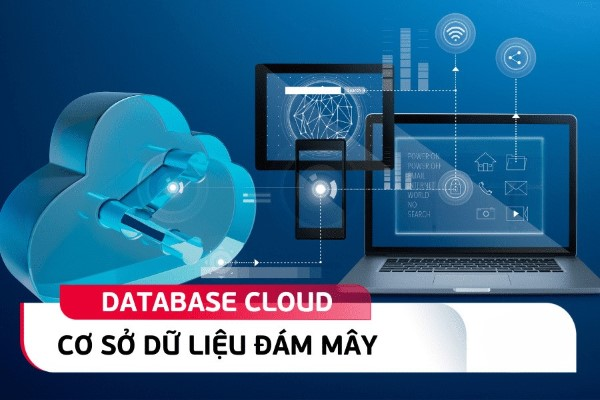
Cloud Database is a database system organized and managed on the Cloud platform.
Fundamentally, a Cloud Database has a design and functionality similar to a traditional database deployed at a business's data center. However, the key difference between a Cloud Database and traditional databases lies in how they are deployed and managed. This service helps businesses implement effective data management solutions while ensuring data backup and recovery capabilities in case of incidents or disasters.
Cloud PC
Cloud PC is a solution that virtualizes an entire computer system within a business. Similar to Cloud Server, Cloud PC helps businesses easily scale and optimize performance.
However, not every administrator can easily adopt Cloud PC just because they understand what Cloud is. In practice, Cloud PC is most effectively deployed in large systems where users have geographic limitations or require significant scalability.
Cloud Camera
Cloud is not only applied to server and PC systems but is also transforming how IoT devices operate. Integrating Cloud Computing technology into camera systems enhances efficiency and optimizes management capabilities.
However, like Cloud PC, not every administrator who understands Cloud is familiar with Cloud Camera services. Typically, Cloud Camera is primarily used in large organizations such as hospitals, schools, or major corporations. Therefore, Cloud Camera is not yet as widely adopted as Cloud Server.
Migrating to cloud computing is a strategic move for businesses to leverage the benefits this technology offers.
Cost Savings
One of the main reasons many businesses choose cloud is cost savings. Businesses no longer need to invest in expensive physical equipment and maintenance costs, and only pay for what they actually use.
Enhanced Competitiveness
Adopting cloud helps businesses quickly adapt to market changes and customer demands. Thanks to flexibility and scalability, businesses can grow without technology barriers.
Improved Work Efficiency
Cloud computing automates many processes, allowing employees to focus on creative and high-value work. Online collaboration tools also improve teamwork and communication between departments.
Challenges When Using Cloud Computing
Although cloud computing offers many benefits, there are challenges that businesses need to be aware of when using this service.
Information Security
Information security is one of the major issues businesses must pay attention to. Data stored on the cloud can be vulnerable to attacks by hackers or data breaches. Therefore, choosing a service provider with strong security policies is crucial.
Service Disruption Risk
Technical incidents or network failures can lead to service disruptions. This can seriously affect business operations, so establishing contingency plans and ensuring recovery capabilities is essential.
Complex Data Management
Managing data on the cloud can become complex without clear processes. Businesses need specialized personnel to ensure data is organized and processed efficiently.
Comparison of Popular Cloud Services
Tested on 2025-08-25Cloud Server, Cloud Storage, Cloud Database
| Criteria | Cloud Server | Cloud Storage | Cloud Database |
|---|---|---|---|
| Function | Virtual server | Data storage | Database |
| Suitable for | Websites, applications | Files, media, backup | Data management |
| Examples | AWS EC2, Google CE | Google Drive, S3 | Amazon RDS, Cloud SQL |
| Scalability | CPU, RAM, disk | Storage capacity | Query performance |
| Cost | By configuration | By storage capacity | By usage |
Important Considerations When Migrating to Cloud
Before migrating, businesses should carefully evaluate their usage needs, choose the appropriate Cloud model (IaaS, PaaS, SaaS), and ensure a contingency plan is in place to avoid service disruption during the migration process.
Conclusion:Cloud has become an indispensable platform in the digital age, helping businesses save costs, increase flexibility, and scale rapidly. Choosing the right Cloud service (Server, Storage, Database) and a reputable provider will help optimize operational efficiency and data security.
Cloud is a platform that delivers information technology services over the internet such as storage, virtual servers, and databases, instead of having to install and manage them on on-premise hardware.
QWhat is the difference between Cloud Computing and Cloud?
Cloud is a virtual infrastructure platform on the internet. Cloud Computing is the technology built on the Cloud platform, providing computing, storage, and application services over the internet on demand.
QWhy should businesses migrate to the Cloud?
Cloud helps businesses save on hardware investment costs, scale flexibly according to demand, enhance security through professional providers, and allow employees to access data from anywhere.
QWhat is a Cloud Server?
A Cloud Server is a virtual server running on a Cloud platform, allowing businesses to store and manage data over the internet with flexible scalability, high security, and no dependence on physical hardware.
QIs using Cloud safe?
Cloud is safe when you choose a reputable provider with strong security policies. However, businesses should set up two-factor authentication, encrypt data, and perform regular backups to enhance security.