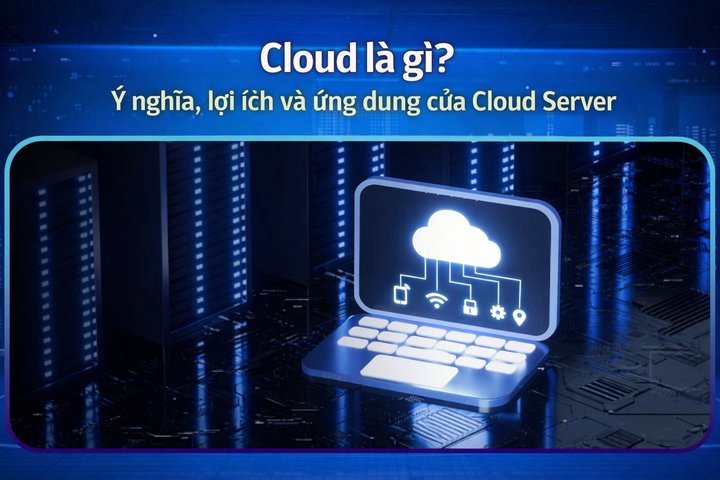
What is Cloud? Meaning, Benefits, and Applications of Cloud Server
Cloud and Server

What is Cloud? Meaning, Benefits, and Applications of Cloud Server

Cloud is a platform that delivers IT services over the internet, including storage, virtual servers, and databases, helping businesses reduce costs.

In this series: Cloud Computing
  1. 1 What is Cloud? Meaning, Benefits, and Applications of Cloud Server
  2. 2 What is a Cloud Server? Features, Benefits, and Applications of Cloud Servers
  3. 3 What is Cloud Hosting? A Complete Guide to Cloud Hosting
✦ Quick summary
Cloud is a platform that delivers IT services over the internet, including storage, virtual servers, and databases, helping businesses reduce costs.
How was this post?

Cloud is a platform that delivers information technology services over the internet, from data storage to virtual servers and databases. This article helps you understand what Cloud is, popular Cloud services, and why businesses should migrate to cloud computing.

What is Cloud?

Cloud is a term in information technology, but it does not literally mean a "cloud" in the sky. Here, "cloud" refers to software and services delivered over the internet, rather than through software programs installed on personal computers.

In other words, Cloud is a virtual environment built on network infrastructure and internet services, allowing users to access technology services from providers over the internet without needing expertise or experience in technology or on-premise infrastructure. Cloud can also be understood as a method of using remote servers over the internet to store, manage, access, and process data easily.

"The cloud is a metaphor for the Internet. It is a new name for the Internet. Thanks to this metaphor, Cloud opens up many different ways of understanding."

Reuven Cohen, Co-founder of Cloud Camp

To better understand what Cloud is, consider the following example:

Suppose you need to rent a server for your business. Normally, you would have to purchase and build your own server system. However, with Cloud, you simply rent a Cloud Server package from any Cloud service provider. The provider takes responsibility for supplying resources and managing infrastructure to meet your needs.

When you hear about Cloud, you may find it familiar because Cloud Computing is the technology built on this Cloud platform. Therefore, Cloud is the foundation for developing other related technologies and services.
Why is it called "Cloud"?

One of the reasons Cloud has become a popular choice is its convenience and high reliability. For example, if you have used web-based email services like Gmail, you are actually using Cloud. Most web-based email services use Cloud technology to store data instead of relying on computer hardware.

What is Apache Spark? An Overview of the Powerful Data Processing Platform

Let's explore why Cloud has become such a valuable technology:

Data Storage Space

One of the biggest benefits of Cloud is the ability to store all types of information and data, from emails to other files. You can easily access and view this data from any device, as long as you have an internet connection.

A prime example of Cloud in this case is Google Drive — a well-known cloud storage service that most people are familiar with.

Easy Information Sharing

Cloud helps you share information and data quickly and easily with multiple people at once. For example, after uploading some photos to iCloud Photos, you can immediately share them with friends and family.

Data Backup Support

As a virtual storage space on the internet, Cloud helps you back up and restore data whenever needed, ensuring your information is protected. You can set up applications to automatically back up data to the Cloud, safeguarding important information.

Once your data is backed up on the Cloud, even if your device encounters problems or breaks down, you can still easily access and recover your information.

With these examples, you can clearly see the benefits of using Cloud. Next, let's explore other services related to Cloud technology.

Before Cloud: How Did Businesses Operate Their IT Systems?

Before cloud computing became widespread, businesses typically operated their IT systems by building and maintaining physical servers on-premise. This was not only expensive but also required IT specialists to maintain, upgrade equipment, and ensure security.
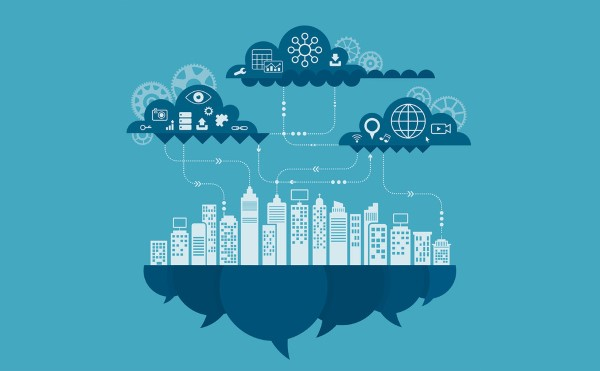
High Maintenance Costs

Investing in hardware and software was a major burden for many businesses, especially small ones. Costs for servers, storage devices, maintenance, energy, space, and personnel for system management were very high.

Difficulty in Scaling

As business needs grew, scaling IT systems often took a long time and significant investment. Businesses frequently had to purchase additional equipment and upgrade software, consuming considerable resources.

Security Risks

By self-managing their systems, businesses faced information security risks. Cyberattacks, data leaks, and personal information breaches were ever-present threats. Maintaining a robust security system required substantial investment and specialized expertise.

List of Cloud Manifestations in Cloud Computing Services

Cloud is present in many different services, from data storage to infrastructure and software provisioning. Below are some important manifestations of cloud in the modern technology world.

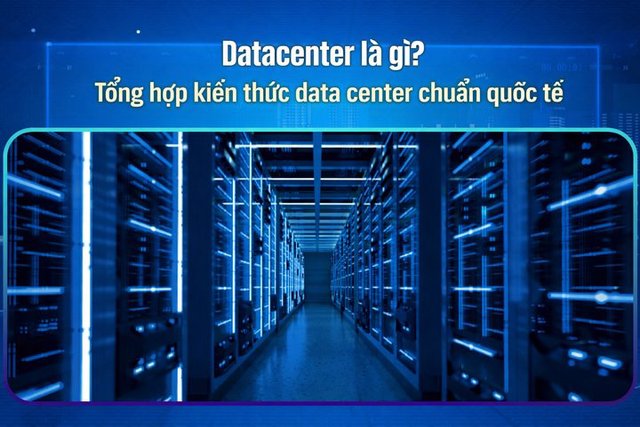
What is a Datacenter? Comprehensive Guide to International Standard Data Centers

Cloud Server (Virtual Server)

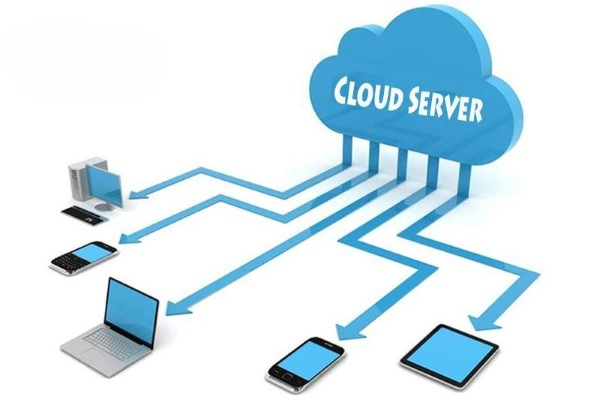
Cloud Server is a service that provides virtual servers operating on the Cloud platform. Instead of using physical servers, businesses can choose Cloud Server services to store, manage, and access data over the internet.

Cloud Server offers the outstanding advantages of cloud computing, including flexible scalability, high stability, robust security, easy backup, and the elimination of time and geographic barriers for users.
Cloud Storage

Cloud Storage is a service that allows users to store data online via Cloud service providers. These providers are responsible for storing, managing, and maintaining servers, infrastructure, and networks securely, ensuring users can access data with flexible and virtually unlimited scalability.
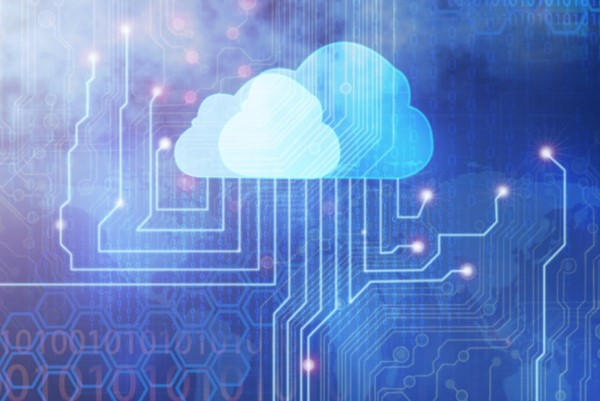
Cloud Network

Cloud Network is a cloud networking system that allows users to access network resources such as virtual routers, firewalls, bandwidth, and network management software through a third-party service provider. With Cloud Network, users can distribute content quickly and efficiently while ensuring a high level of security and safety.
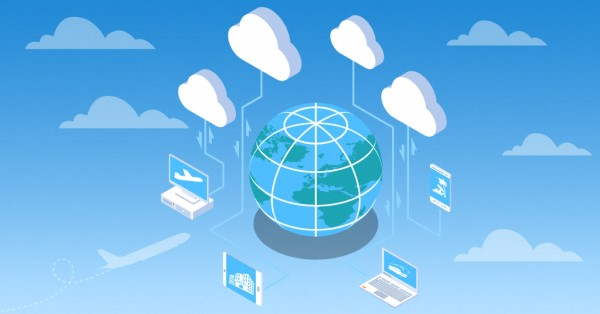
Cloud Database

Cloud Database is a database system organized and managed on the Cloud platform.

Fundamentally, a Cloud Database has a design and functionality similar to a traditional database deployed at a business's data center. However, the key difference between a Cloud Database and traditional databases lies in how they are deployed and managed. This service helps businesses implement effective data management solutions while ensuring data backup and recovery capabilities in case of incidents or disasters.
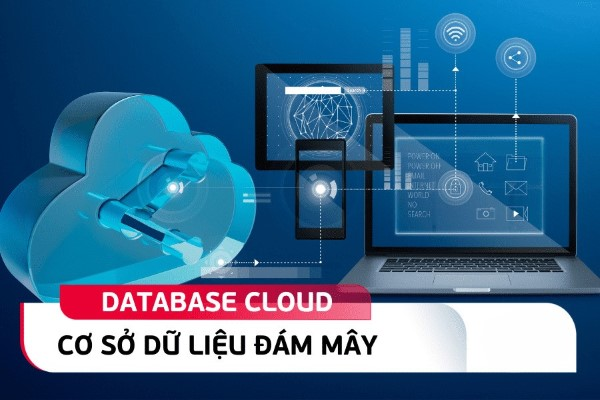
Cloud PC

Cloud PC is a solution that virtualizes an entire computer system within a business. Similar to Cloud Server, Cloud PC helps businesses easily scale and optimize performance.

However, not every administrator can easily adopt Cloud PC just because they understand what Cloud is. In practice, Cloud PC is most effectively deployed in large systems where users have geographic limitations or require significant scalability.
Cloud Camera

Cloud is not only applied to server and PC systems but is also transforming how IoT devices operate. Integrating Cloud Computing technology into camera systems enhances efficiency and optimizes management capabilities.

However, like Cloud PC, not every administrator who understands Cloud is familiar with Cloud Camera services. Typically, Cloud Camera is primarily used in large organizations such as hospitals, schools, or major corporations. Therefore, Cloud Camera is not yet as widely adopted as Cloud Server.

What is Proxy SEO?

Why Should Businesses Migrate to Cloud Computing?

Migrating to cloud computing is a strategic move for businesses to leverage the benefits this technology offers.

Cost Savings

One of the main reasons many businesses choose cloud is cost savings. Businesses no longer need to invest in expensive physical equipment and maintenance costs, and only pay for what they actually use.

Enhanced Competitiveness

Adopting cloud helps businesses quickly adapt to market changes and customer demands. Thanks to flexibility and scalability, businesses can grow without technology barriers.

Improved Work Efficiency

Cloud computing automates many processes, allowing employees to focus on creative and high-value work. Online collaboration tools also improve teamwork and communication between departments.

Challenges When Using Cloud Computing

Although cloud computing offers many benefits, there are challenges that businesses need to be aware of when using this service.

Information Security

Information security is one of the major issues businesses must pay attention to. Data stored on the cloud can be vulnerable to attacks by hackers or data breaches. Therefore, choosing a service provider with strong security policies is crucial.

Service Disruption Risk

Technical incidents or network failures can lead to service disruptions. This can seriously affect business operations, so establishing contingency plans and ensuring recovery capabilities is essential.

Complex Data Management

Managing data on the cloud can become complex without clear processes. Businesses need specialized personnel to ensure data is organized and processed efficiently.

Comparison of Popular Cloud Services
Tested on 2025-08-25 Cloud Server, Cloud Storage, Cloud Database
| Criteria | Cloud Server | Cloud Storage | Cloud Database | |---|---|---|---| | Function | Virtual server | Data storage | Database | | Suitable for | Websites, applications | Files, media, backup | Data management | | Examples | AWS EC2, Google CE | Google Drive, S3 | Amazon RDS, Cloud SQL | | Scalability | CPU, RAM, disk | Storage capacity | Query performance | | Cost | By configuration | By storage capacity | By usage |
Important Considerations When Migrating to Cloud

Before migrating, businesses should carefully evaluate their usage needs, choose the appropriate Cloud model (IaaS, PaaS, SaaS), and ensure a contingency plan is in place to avoid service disruption during the migration process.

Conclusion: Cloud has become an indispensable platform in the digital age, helping businesses save costs, increase flexibility, and scale rapidly. Choosing the right Cloud service (Server, Storage, Database) and a reputable provider will help optimize operational efficiency and data security.
Sources

Frequently Asked Questions

Frequently Asked QuestionsQ&A
What is Cloud?
Cloud is a platform that delivers information technology services over the internet such as storage, virtual servers, and databases, instead of having to install and manage them on on-premise hardware.
What is the difference between Cloud Computing and Cloud?
Cloud is a virtual infrastructure platform on the internet. Cloud Computing is the technology built on the Cloud platform, providing computing, storage, and application services over the internet on demand.
Why should businesses migrate to the Cloud?
Cloud helps businesses save on hardware investment costs, scale flexibly according to demand, enhance security through professional providers, and allow employees to access data from anywhere.
What is a Cloud Server?
A Cloud Server is a virtual server running on a Cloud platform, allowing businesses to store and manage data over the internet with flexible scalability, high security, and no dependence on physical hardware.
Is using Cloud safe?
Cloud is safe when you choose a reputable provider with strong security policies. However, businesses should set up two-factor authentication, encrypt data, and perform regular backups to enhance security.

Cloud (đám mây) là nền tảng cung cấp các dịch vụ công nghệ thông tin qua internet, từ lưu trữ dữ liệu đến máy chủ ảo và cơ sở dữ liệu. Bài viết giúp bạn hiểu rõ Cloud là gì, các dịch vụ Cloud phổ biến và lý do doanh nghiệp nên chuyển đổi sang điện toán đám mây.

Cloud là gì?

Cloud (đám mây) là một thuật ngữ trong công nghệ thông tin, nhưng không mang nghĩa "đám mây" theo nghĩa đen. Ở đây, "đám mây" chỉ phần mềm và dịch vụ được cung cấp qua internet, thay vì thông qua các chương trình phần mềm cài đặt trên máy tính cá nhân.

Nói cách khác, Cloud là một môi trường ảo được xây dựng trên cơ sở hạ tầng mạng và các dịch vụ internet, cho phép người dùng truy cập các dịch vụ công nghệ từ nhà cung cấp qua internet mà không cần phải có kiến thức hay kinh nghiệm về công nghệ cũng như hạ tầng tại chỗ (on-premise). Cloud cũng có thể hiểu là phương pháp sử dụng các máy chủ từ xa qua internet để lưu trữ, quản lý, truy cập và xử lý dữ liệu một cách dễ dàng.

"Đám mây là một phép ẩn dụ cho Internet. Nó là một cái tên mới của Internet. Nhờ tính ẩn dụ này, Cloud mở ra nhiều cách hiểu khác nhau."

Reuven Cohen, Đồng sáng lập Cloud Camp

Để hiểu rõ hơn về Cloud là gì, hãy xem qua ví dụ sau:

Giả sử bạn cần thuê một máy chủ (server) cho công việc kinh doanh. Thông thường, bạn sẽ phải tự mua và xây dựng một hệ thống máy chủ riêng. Tuy nhiên, với Cloud, bạn chỉ cần thuê một gói Cloud Server từ bất kỳ nhà cung cấp dịch vụ Cloud nào. Nhà cung cấp này sẽ chịu trách nhiệm cung cấp tài nguyên và quản lý hạ tầng để đáp ứng nhu cầu của bạn.

Khi nghe đến Cloud, bạn có thể cảm thấy quen thuộc vì Cloud Computing (điện toán đám mây) chính là công nghệ được xây dựng dựa trên nền tảng Cloud này. Vì vậy, Cloud là nền tảng để phát triển các công nghệ và dịch vụ khác liên quan.

Tại sao được gọi là "Cloud"

Một trong những lý do khiến Cloud trở thành sự lựa chọn phổ biến là nhờ vào tính tiện lợi và độ tin cậy cao. Ví dụ, nếu bạn đã từng sử dụng các dịch vụ email qua website như Gmail, bạn thực tế đang sử dụng Cloud. Hầu hết các dịch vụ email trên nền tảng web đều sử dụng công nghệ Cloud để lưu trữ dữ liệu thay vì phụ thuộc vào phần cứng máy tính. Hãy cùng tìm hiểu lý do tại sao Cloud lại trở thành một công nghệ đáng giá:

Không gian lưu trữ dữ liệu

Một trong những lợi ích lớn nhất của Cloud là khả năng lưu trữ mọi loại thông tin và dữ liệu, từ email đến các tập tin khác. Bạn có thể dễ dàng truy cập và xem những dữ liệu này từ bất kỳ thiết bị nào, chỉ cần có kết nối internet.

Ví dụ tiêu biểu về Cloud trong trường hợp này là Google Drive – một dịch vụ lưu trữ đám mây nổi tiếng mà hầu hết mọi người đều quen thuộc.

Dễ dàng chia sẻ thông tin

Cloud giúp bạn chia sẻ thông tin và dữ liệu một cách nhanh chóng và dễ dàng với nhiều người cùng lúc. Ví dụ, sau khi tải lên một số hình ảnh trên iCloud Photos, bạn có thể ngay lập tức chia sẻ chúng với bạn bè và người thân.

Hỗ trợ sao lưu dữ liệu

Vì là không gian lưu trữ ảo trên internet, Cloud giúp bạn sao lưu và khôi phục dữ liệu bất cứ khi nào cần thiết, đảm bảo bảo vệ thông tin của bạn. Bạn có thể thiết lập các ứng dụng để tự động sao lưu dữ liệu lên Cloud, giúp đảm bảo an toàn cho thông tin quan trọng.

Khi bạn đã sao lưu dữ liệu trên Cloud, nếu thiết bị của bạn gặp sự cố hoặc hư hỏng, bạn vẫn có thể dễ dàng truy cập và phục hồi thông tin của mình.

Với những ví dụ trên, bạn đã thấy rõ lợi ích của việc sử dụng Cloud. Tiếp theo, chúng ta sẽ cùng khám phá những dịch vụ khác liên quan đến công nghệ Cloud.

Trước khi biết Cloud là gì, Doanh nghiệp vận hành hệ thống CNTT như thế nào?

Trước khi cloud computing trở nên phổ biến, các doanh nghiệp thường vận hành hệ thống CNTT bằng cách tự xây dựng và duy trì các máy chủ vật lý tại chỗ. Điều này không chỉ tốn kém mà còn yêu cầu các chuyên gia IT để bảo trì, nâng cấp thiết bị và đảm bảo an ninh.

Chi phí duy trì cao

Việc đầu tư vào phần cứng và phần mềm là một gánh nặng lớn đối với nhiều doanh nghiệp, đặc biệt là các doanh nghiệp nhỏ. Chi phí cho máy chủ, thiết bị lưu trữ, bảo trì, năng lượng và không gian cũng như nhân lực cho quản lý hệ thống là rất cao.

Khó khăn trong việc mở rộng

Khi nhu cầu kinh doanh tăng lên, việc mở rộng hệ thống CNTT thường mất nhiều thời gian và chi phí để thực hiện. Doanh nghiệp thường phải mua thêm thiết bị mới và nâng cấp phần mềm, dẫn đến việc tiêu tốn nhiều nguồn lực.

Nguy cơ về an ninh

Với việc tự quản lý hệ thống, các doanh nghiệp phải đối mặt với nguy cơ về an ninh thông tin. Các cuộc tấn công mạng, rò rỉ dữ liệu và vi phạm thông tin cá nhân luôn là mối đe dọa tiềm tàng. Việc duy trì một hệ thống an ninh vững chắc đòi hỏi đầu tư lớn và kiến thức chuyên môn cao.

Danh sách các hiện thân của "Cloud" trong các dịch vụ điện toán đám mây

Cloud hiện diện trong nhiều dịch vụ khác nhau, từ lưu trữ dữ liệu cho đến cung cấp hạ tầng và phần mềm. Dưới đây là một số hiện thân quan trọng của cloud trong thế giới công nghệ hiện đại.

Datacenter là gì? Tổng hợp kiến thức data center chuẩn quốc tế

Cloud Server (Máy chủ ảo)

Cloud Server là dịch vụ cung cấp các máy chủ ảo hoạt động trên nền tảng Cloud. Thay vì phải sử dụng máy chủ vật lý, các doanh nghiệp có thể lựa chọn dịch vụ Cloud Server để lưu trữ, quản lý và truy cập dữ liệu qua internet.

Cloud Server mang lại những ưu điểm nổi bật của điện toán đám mây như khả năng mở rộng linh hoạt, tính ổn định cao, bảo mật tuyệt đối, dễ dàng sao lưu và loại bỏ rào cản về thời gian và vị trí địa lý đối với người sử dụng.

Cloud Storage (Dịch vụ lưu trữ đám mây)

Cloud Storage là dịch vụ cho phép người dùng lưu trữ dữ liệu trực tuyến trên internet thông qua các nhà cung cấp dịch vụ Cloud. Các nhà cung cấp này sẽ chịu trách nhiệm lưu trữ, quản lý và duy trì các máy chủ, cơ sở hạ tầng và mạng một cách an toàn và bảo mật, đảm bảo người dùng có thể truy cập dữ liệu với khả năng mở rộng linh hoạt và quy mô gần như không giới hạn.

Cloud Network (Mạng đám mây)

Cloud Network là một hệ thống mạng đám mây cho phép người dùng truy cập các tài nguyên mạng như bộ định tuyến ảo, tường lửa, băng thông, và phần mềm quản lý mạng thông qua một nhà cung cấp dịch vụ bên thứ ba. Với Cloud Network, người dùng có thể phân phối nội dung một cách nhanh chóng và hiệu quả, đồng thời đảm bảo mức độ bảo mật và an toàn cao.

Cloud Database (Cơ sở dữ liệu đám mây)

Cloud Database là hệ thống cơ sở dữ liệu được tổ chức và quản lý trên nền tảng Cloud.

Về cơ bản, Cloud Database có thiết kế và chức năng tương tự như một cơ sở dữ liệu truyền thống được triển khai tại các trung tâm dữ liệu của doanh nghiệp. Tuy nhiên, điểm khác biệt chính giữa Cloud Database và các cơ sở dữ liệu truyền thống là cách thức triển khai và quản lý. Dịch vụ này giúp các doanh nghiệp triển khai giải pháp quản lý dữ liệu hiệu quả, đồng thời đảm bảo khả năng sao lưu và khôi phục dữ liệu khi xảy ra sự cố hoặc thảm họa.

Cloud PC

Cloud PC là giải pháp ảo hóa toàn bộ hệ thống máy tính trong doanh nghiệp. Tương tự như Cloud Server, Cloud PC giúp doanh nghiệp dễ dàng mở rộng quy mô và tối ưu hóa hiệu suất.

Tuy nhiên, không phải mọi quản trị viên đều dễ dàng áp dụng Cloud PC chỉ vì hiểu rõ về Cloud là gì? Thực tế, Cloud PC thường được triển khai hiệu quả nhất với các hệ thống lớn, nơi người dùng có hạn chế về mặt địa lý hoặc yêu cầu mở rộng quy mô mạnh mẽ.

Cloud Camera

Không chỉ áp dụng cho các hệ thống server và PC, Cloud cũng đang thay đổi cách thức vận hành của các thiết bị IoT. Việc tích hợp công nghệ Cloud Computing vào hệ thống camera giúp nâng cao hiệu quả và tối ưu hóa khả năng quản lý.

Tuy nhiên, giống như Cloud PC, không phải quản trị viên nào hiểu rõ về Cloud cũng đã biết đến dịch vụ Cloud Camera. Thông thường, Cloud Camera được ứng dụng chủ yếu trong các tổ chức lớn như bệnh viện, trường học hay các tập đoàn lớn. Vì vậy, Cloud Camera vẫn chưa phổ biến rộng rãi như Cloud Server.

Tại sao doanh nghiệp nên chuyển đổi sang điện toán đám mây?

Việc chuyển đổi sang điện toán đám mây là một bước đi chiến lược cho doanh nghiệp nhằm tận dụng những lợi ích mà công nghệ này mang lại.

Tiết kiệm chi phí

Một trong những lý do chính khiến nhiều doanh nghiệp lựa chọn cloud là tiết kiệm chi phí. Doanh nghiệp không còn phải đầu tư vào thiết bị vật lý đắt đỏ và chi phí bảo trì, mà chỉ phải trả phí cho những gì họ thực sự sử dụng.

Tăng cường khả năng cạnh tranh

Việc áp dụng cloud giúp doanh nghiệp nhanh chóng thích ứng với thay đổi của thị trường và nhu cầu khách hàng. Nhờ vào tính linh hoạt và khả năng mở rộng, doanh nghiệp có thể phát triển mà không gặp rào cản về công nghệ.

Cải thiện hiệu suất làm việc

Cloud computing giúp tự động hóa nhiều quy trình, cho phép nhân viên tập trung vào các công việc sáng tạo và có giá trị cao. Các công cụ cộng tác trực tuyến cũng giúp cải thiện khả năng làm việc nhóm và giao tiếp giữa các bộ phận.

Những thách thức khi sử dụng điện toán đám mây

Mặc dù cloud computing mang lại nhiều lợi ích, nhưng vẫn tồn tại những thách thức mà doanh nghiệp cần lưu ý khi sử dụng dịch vụ này.

An ninh và bảo mật thông tin

An ninh thông tin là một trong những vấn đề lớn mà doanh nghiệp cần phải chú ý. Dữ liệu được lưu trữ trên cloud có thể dễ bị tấn công bởi các hacker hoặc vi phạm dữ liệu. Do đó, việc lựa chọn nhà cung cấp dịch vụ có chính sách bảo mật mạnh mẽ là rất quan trọng.

Khả năng bị gián đoạn dịch vụ

Sự cố kỹ thuật hoặc sự cố mạng có thể dẫn đến gián đoạn dịch vụ. Điều này có thể ảnh hưởng nghiêm trọng đến hoạt động của doanh nghiệp, vì vậy việc thiết lập các kế hoạch dự phòng và bảo đảm khả năng phục hồi là cần thiết.

Quản lý dữ liệu phức tạp

Việc quản lý dữ liệu trên cloud có thể trở nên phức tạp nếu không có những quy trình rõ ràng. Doanh nghiệp cần phải có đội ngũ nhân viên có chuyên môn để đảm bảo rằng dữ liệu được tổ chức và xử lý hiệu quả.

So sanh cac dich vu Cloud pho bien
Tested on 2025-08-25 Cloud Server, Cloud Storage, Cloud Database
| Tieu chi | Cloud Server | Cloud Storage | Cloud Database | |---|---|---|---| | Chuc nang | May chu ao | Luu tru du lieu | Co so du lieu | | Phu hop | Website, ung dung | File, media, backup | Quan ly du lieu | | Vi du | AWS EC2, Google CE | Google Drive, S3 | Amazon RDS, Cloud SQL | | Mo rong | CPU, RAM, disk | Dung luong | Hieu suat query | | Chi phi | Theo cau hinh | Theo dung luong | Theo su dung |
Luu y khi chuyen doi sang Cloud

Truoc khi chuyen doi, doanh nghiep can danh gia ky nhu cau su dung, lua chon mo hinh Cloud phu hop (IaaS, PaaS, SaaS) va dam bao co ke hoach du phong de tranh gian doan dich vu trong qua trinh migration.

Ket luan: Cloud da tro thanh nen tang khong the thieu trong thoi dai so, giup doanh nghiep tiet kiem chi phi, tang tinh linh hoat va mo rong quy mo nhanh chong. Viec lua chon dich vu Cloud phu hop (Server, Storage, Database) va nha cung cap uy tin se giup toi uu hoa hieu qua van hanh va bao mat du lieu.

Nguồn tham khảo

Câu hỏi thường gặp

Câu hỏi thường gặpQ&A
Cloud là gì?
Cloud (đám mây) là nền tảng cung cấp các dịch vụ công nghệ thông tin qua internet như lưu trữ, máy chủ ảo, cơ sở dữ liệu, thay vì phải cài đặt và quản lý trên phần cứng tại chỗ.
Cloud Computing khác gì Cloud?
Cloud là nền tảng hạ tầng ảo trên internet. Cloud Computing (điện toán đám mây) là công nghệ xây dựng trên nền tảng Cloud, cung cấp các dịch vụ tính toán, lưu trữ và ứng dụng qua internet theo nhu cầu.
Tại sao doanh nghiệp nên chuyển sang Cloud?
Cloud giúp doanh nghiệp tiết kiệm chi phí đầu tư phần cứng, mở rộng linh hoạt theo nhu cầu, tăng bảo mật nhờ nhà cung cấp chuyên nghiệp, và cho phép nhân viên truy cập dữ liệu từ bất kỳ đâu.
Cloud Server là gì?
Cloud Server là máy chủ ảo chạy trên nền tảng Cloud, cho phép doanh nghiệp lưu trữ và quản lý dữ liệu qua internet với khả năng mở rộng linh hoạt, bảo mật cao và không phụ thuộc vào phần cứng vật lý.
Sử dụng Cloud có an toàn không?
Cloud an toàn khi chọn nhà cung cấp uy tín có chính sách bảo mật mạnh mẽ. Tuy nhiên, doanh nghiệp cần chú ý thiết lập xác thực hai yếu tố, mã hóa dữ liệu và sao lưu định kỳ để tăng cường bảo mật.