
Backend là gì? Khám phá vai trò của lập trình viên Backend
Development

Backend là gì? Khám phá vai trò của lập trình viên Backend

Backend là phần server-side xử lý logic nghiệp vụ, quản lý dữ liệu và API. Tìm hiểu vai trò lập trình viên Backend, ngôn ngữ, framework và kỹ năng cần thiết.

✦ Tóm tắt nhanh
Backend là phần server-side xử lý logic nghiệp vụ, quản lý dữ liệu và API. Tìm hiểu vai trò lập trình viên Backend, ngôn ngữ, framework và kỹ năng cần thiết.
Bài này thế nào?

Backend (server-side) là phần xử lý logic nghiệp vụ, quản lý dữ liệu và API phía sau giao diện người dùng. Bài viết phân tích vai trò của lập trình viên Backend, các ngôn ngữ và framework phổ biến, so sánh với Frontend và kỹ năng cần thiết.

Backend là gì?

Backend là gì? Backend, còn được gọi là "server-side" hay "phía máy chủ", là phần không nhìn thấy được của một ứng dụng web hoặc di động. Nó bao gồm toàn bộ cơ sở hạ tầng, logic xử lý và lưu trữ dữ liệu phía sau giao diện người dùng. Backend đóng vai trò như bộ não của ứng dụng, xử lý các yêu cầu từ người dùng, tương tác với cơ sở dữ liệu, thực hiện các tính toán phức tạp và trả về kết quả cho Frontend hiển thị.

Một số thành phần chính của Backend bao gồm:

  • Máy chủ (Server): Nơi lưu trữ và chạy ứng dụng.
  • Ứng dụng (Application): Phần mềm xử lý logic nghiệp vụ.
  • Cơ sở dữ liệu (Database): Nơi lưu trữ và quản lý dữ liệu.
  • API (Application Programming Interface): Giao diện kết nối giữa Backend và Frontend.

Backend đảm bảo rằng dữ liệu được xử lý an toàn, hiệu quả và có thể mở rộng khi cần thiết. Nó cũng quản lý việc xác thực người dùng, bảo mật thông tin và tối ưu hóa hiệu suất của ứng dụng.

Lập trình viên Backend

Lập trình viên Backend, hay còn gọi là Backend Developer, là những chuyên gia công nghệ chịu trách nhiệm phát triển và duy trì phần "không nhìn thấy" của ứng dụng web hoặc di động. Họ là những người thiết kế, xây dựng và quản lý các thành phần phía máy chủ, đảm bảo rằng ứng dụng hoạt động mượt mà và hiệu quả.

Lập trình viên Backend thường làm việc với các ngôn ngữ lập trình phía máy chủ như PHP, Python, Ruby, Java, .NET, NodeJS và các công nghệ cơ sở dữ liệu như MySQL, PostgreSQL, MongoDB, Oracle. Họ cũng phải am hiểu về các framework và thư viện liên quan đến Backend như Laravel, Django, Ruby on Rails, Spring Boot, Express.js.

Ngoài việc viết mã, lập trình viên Backend còn phải có kiến thức sâu rộng về cấu trúc dữ liệu, thuật toán, bảo mật web, quản lý phiên làm việc và tối ưu hóa hiệu suất cơ sở dữ liệu.

Vai trò của lập trình viên Backend trong phát triển web

Lập trình viên Backend đóng vai trò quan trọng trong quá trình phát triển web, đảm nhận nhiều trách nhiệm then chốt:

  • Xây dựng và duy trì cơ sở hạ tầng máy chủ: Họ thiết lập và quản lý môi trường máy chủ, đảm bảo hệ thống luôn sẵn sàng và có khả năng mở rộng.
  • Phát triển logic nghiệp vụ: Lập trình viên Backend tạo ra các thuật toán và quy trình xử lý dữ liệu phức tạp, đảm bảo ứng dụng hoạt động đúng như mong đợi.
  • Thiết kế và quản lý cơ sở dữ liệu: Họ xây dựng cấu trúc cơ sở dữ liệu hiệu quả, tối ưu hóa truy vấn và đảm bảo tính nhất quán của dữ liệu.
  • Phát triển API: Backend Developer tạo ra các API để kết nối Frontend với Backend, cho phép trao đổi dữ liệu một cách an toàn và hiệu quả.
  • Bảo mật hệ thống: Họ triển khai các biện pháp bảo mật để bảo vệ dữ liệu và ngăn chặn các cuộc tấn công mạng.
  • Tối ưu hóa hiệu suất: Lập trình viên Backend liên tục cải thiện tốc độ xử lý và đáp ứng của hệ thống.
  • Hỗ trợ quá trình phát triển Frontend: Họ cung cấp các endpoint API và tài liệu cần thiết cho đội ngũ Frontend, đảm bảo sự tích hợp mượt mà giữa hai phần của ứng dụng.
So sánh giữa Frontend và Backend

Để hiểu rõ hơn về Backend, chúng ta cần so sánh nó với Frontend:

Tiêu chí Frontend Backend
Mục đích Tập trung vào trải nghiệm người dùng, giao diện và tương tác Xử lý logic nghiệp vụ, quản lý dữ liệu và đảm bảo hiệu suất hệ thống
Ngôn ngữ lập trình HTML, CSS, JavaScript, TypeScript PHP, Python, Ruby, Java, C#, NodeJS
Môi trường hoạt động Chạy trên trình duyệt của người dùng Chạy trên máy chủ
Tương tác với người dùng Trực tiếp tương tác với người dùng Gián tiếp thông qua API và Frontend
Bảo mật Tập trung vào bảo mật giao diện người dùng Chịu trách nhiệm chính về bảo mật dữ liệu và hệ thống
Cập nhật Có thể cập nhật nhanh chóng và thường xuyên Cập nhật cẩn trọng hơn do ảnh hưởng trực tiếp đến dữ liệu và hiệu suất hệ thống
Khả năng mở rộng Mở rộng chủ yếu liên quan đến giao diện và trải nghiệm người dùng Mở rộng phức tạp hơn, liên quan đến hiệu suất máy chủ và cơ sở dữ liệu

Công cụ quan trọng cho lập trình viên Backend

Lập trình viên Backend cần thành thạo nhiều công cụ để xây dựng và duy trì hệ thống hiệu quả. Dưới đây là những công cụ quan trọng nhất mà họ thường sử dụng:

Ngôn ngữ lập trình phía máy chủ

Lập trình viên Backend cần thành thạo ít nhất một trong những ngôn ngữ lập trình phía máy chủ sau:

  • PHP: Phổ biến trong phát triển web, đặc biệt với WordPress và các CMS khác.
  • Python: Đa năng, được sử dụng rộng rãi trong phát triển web, khoa học dữ liệu và AI.
  • Ruby: Nổi tiếng với framework Ruby on Rails, thích hợp cho phát triển web nhanh.
  • Java: Mạnh mẽ và đáng tin cậy, thường được sử dụng trong các ứng dụng doanh nghiệp lớn.
  • C#: Ngôn ngữ chính trong hệ sinh thái .NET của Microsoft.
  • NodeJS: Cho phép sử dụng JavaScript ở cả Frontend và Backend.

Mỗi ngôn ngữ có ưu và nhược điểm riêng, phù hợp với các loại dự án khác nhau. Lập trình viên Backend cần chọn ngôn ngữ phù hợp với yêu cầu của dự án và kỹ năng của đội ngũ phát triển.

Framework và thư viện

Framework và thư viện giúp lập trình viên Backend phát triển ứng dụng nhanh chóng và hiệu quả hơn. Một số framework và thư viện phổ biến bao gồm:

  • Laravel (PHP): Framework PHP phổ biến với cú pháp đẹp và nhiều tính năng hữu ích.
  • Django (Python): Framework Python mạnh mẽ với nhiều công cụ tích hợp sẵn.
  • Ruby on Rails (Ruby): Framework Ruby nổi tiếng với khả năng phát triển nhanh.
  • Spring Boot (Java): Giúp xây dựng ứng dụng Java nhanh chóng và dễ dàng.
  • ASP.NET Core (C#): Framework mã nguồn mở của Microsoft cho phát triển web.
  • Express.js (NodeJS): Framework nhẹ và linh hoạt cho NodeJS.

Alibaba Cloud là gì? Dịch vụ Cloud Computing uy tín số 1 Châu Á

Ngoài ra, lập trình viên Backend cũng cần sử dụng thành thạo các thư viện liên quan đến xử lý dữ liệu, bảo mật, và tối ưu hóa hiệu suất.
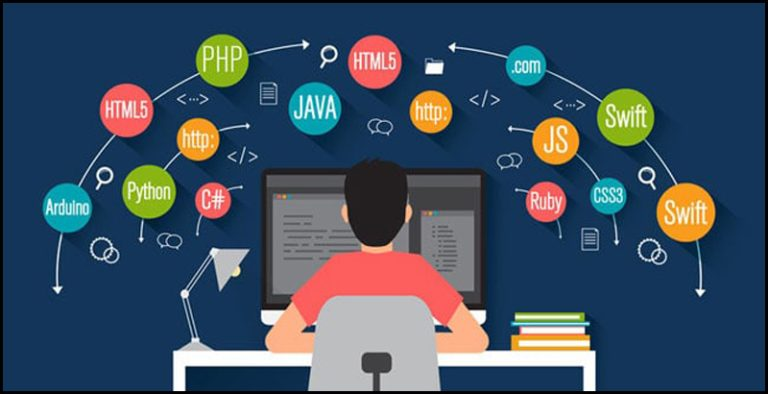
Nhiệm vụ chính của lập trình viên Backend

Lập trình viên Backend đảm nhận nhiều trách nhiệm quan trọng trong quá trình phát triển và vận hành ứng dụng. Những nhiệm vụ chính của họ bao gồm:

Xây dựng và duy trì website, ứng dụng

Lập trình viên Backend chịu trách nhiệm xây dựng cơ sở hạ tầng và logic nghiệp vụ cho website hoặc ứng dụng. Họ thiết kế cấu trúc cơ sở dữ liệu, xây dựng API, và triển khai các tính năng phía máy chủ. Sau khi ứng dụng được phát hành, họ tiếp tục duy trì và cập nhật hệ thống để đảm bảo hoạt động ổn định và hiệu quả.

Nhiệm vụ này bao gồm:

  • Thiết kế kiến trúc hệ thống
  • Xây dựng và quản lý cơ sở dữ liệu
  • Phát triển API cho Frontend
  • Triển khai logic xử lý nghiệp vụ
  • Tối ưu hóa hiệu suất hệ thống
  • Cập nhật và nâng cấp tính năng

Viết và kiểm tra mã nguồn

Lập trình viên Backend dành phần lớn thời gian để viết mã nguồn cho các tính năng và chức năng của ứng dụng. Họ cần đảm bảo mã nguồn được viết một cách rõ ràng, hiệu quả và tuân thủ các tiêu chuẩn coding của dự án.

Sau khi viết mã, họ phải thực hiện kiểm tra kỹ lưỡng để đảm bảo code hoạt động đúng như mong đợi. Quá trình này bao gồm:

  • Viết unit test để kiểm tra từng thành phần riêng lẻ
  • Thực hiện integration test để đảm bảo các thành phần hoạt động tốt cùng nhau
  • Tiến hành stress test để đánh giá khả năng chịu tải của hệ thống
  • Sửa lỗi và tối ưu hóa mã nguồn dựa trên kết quả kiểm tra

Đánh giá hiệu suất và tốc độ hoạt động

Một trong những nhiệm vụ quan trọng của lập trình viên Backend là đảm bảo ứng dụng hoạt động nhanh chóng và hiệu quả. Họ thường xuyên đánh giá hiệu suất của hệ thống và tìm cách cải thiện tốc độ xử lý.

Các hoạt động liên quan đến nhiệm vụ này bao gồm:

  • Sử dụng công cụ giám sát hiệu suất để theo dõi thời gian phản hồi và tài nguyên sử dụng
  • Phân tích và tối ưu hóa truy vấn cơ sở dữ liệu
  • Triển khai caching để giảm tải cho máy chủ và cơ sở dữ liệu
  • Tối ưu hóa mã nguồn để giảm thời gian xử lý
  • Cân nhắc việc sử dụng các giải pháp mở rộng như load balancing hoặc sharding

Xử lý sự cố và sửa lỗi

Khi ứng dụng gặp vấn đề, lập trình viên Backend cần nhanh chóng xác định nguyên nhân và đưa ra giải pháp. Họ phải có khả năng phân tích lỗi, đọc log hệ thống và sử dụng các công cụ debug để tìm ra nguồn gốc của vấn đề.

Quá trình xử lý sự cố thường bao gồm:

  • Phân tích log hệ thống để xác định điểm gây lỗi
  • Sử dụng các công cụ debug để theo dõi luồng thực thi của code
  • Tái tạo lỗi trong môi trường phát triển để dễ dàng kiểm tra
  • Đưa ra giải pháp tạm thời để hệ thống có thể tiếp tục hoạt động
  • Phát triển và triển khai bản vá lỗi
  • Cập nhật tài liệu và thông báo cho các bên liên quan về sự cố và cách khắc phục

Điều kiện để trở thành lập trình viên Backend

Để trở thành một lập trình viên Backend thành công, cần có sự kết hợp của kiến thức, kỹ năng và phẩm chất cá nhân. Dưới đây là những yếu tố quan trọng:

mTLS là gì? Ưu nhược điểm, ứng dụng và cách hoạt động mTLS

Kiến thức cơ bản cần có

Để trở thành một lập trình viên Backend giỏi, bạn cần có nền tảng kiến thức vững chắc về:

  • Cấu trúc dữ liệu và thuật toán
  • Lập trình hướng đối tượng (OOP)
  • Kiến trúc phần mềm và design patterns
  • Cơ sở dữ liệu quan hệ và NoSQL
  • RESTful API và các giao thức web (HTTP, HTTPS)
  • Bảo mật web và xử lý lỗi
  • Version control (như Git)

Kỹ năng lập trình và công cụ

Ngoài kiến thức nền tảng, lập trình viên Backend cần thành thạo:

  • Ít nhất một ngôn ngữ lập trình phía máy chủ (như PHP, Python, Ruby, Java)
  • Các framework phổ biến tương ứng với ngôn ngữ đã chọn
  • SQL và các hệ quản trị cơ sở dữ liệu
  • Công cụ quản lý phiên bản như Git
  • Công cụ quản lý dự án và theo dõi lỗi (như Jira, Trello)
  • Kiến thức về CI/CD và containerization (Docker)

Hiểu biết về hệ điều hành, hosting và cơ sở dữ liệu

Lập trình viên Backend cần có kiến thức cơ bản về:

  • Hệ điều hành Linux/Unix
  • Quản lý máy chủ web (như Apache, Nginx)
  • Các dịch vụ đám mây (AWS, Google Cloud, Azure)
  • Cơ sở dữ liệu quan hệ (MySQL, PostgreSQL) và NoSQL (MongoDB, Redis)
  • Caching và message queues

Kỹ năng giao tiếp và phân tích

Ngoài kỹ năng kỹ thuật, lập trình viên Backend cần phát triển:

  • Khả năng giao tiếp hiệu quả với đồng nghiệp và khách hàng
  • Kỹ năng phân tích và giải quyết vấn đề
  • Tư duy logic và khả năng đưa ra quyết định
  • Khả năng đọc hiểu và viết tài liệu kỹ thuật

Khả năng tổ chức công việc và làm việc dưới áp lực

Lập trình viên Backend thường phải đối mặt với nhiều deadline và áp lực công việc. Vì vậy, họ cần có:

  • Kỹ năng quản lý thời gian hiệu quả
  • Khả năng làm việc độc lập và trong nhóm
  • Khả năng xử lý nhiều tác vụ cùng lúc
  • Sự linh hoạt và khả năng thích nghi với thay đổi

Cẩn thận, tỉ mỉ và kiên nhẫn

Cuối cùng, để trở thành một lập trình viên Backend xuất sắc, bạn cần:

  • Sự cẩn thận trong việc viết và kiểm tra code
  • Tính tỉ mỉ trong việc xử lý dữ liệu và bảo mật
  • Sự kiên nhẫn khi debug và xử lý các vấn đề phức tạp
  • Tinh thần học hỏi liên tục để cập nhật với công nghệ mới

{{< test-result title="So sanh cac ngon ngu Backend pho bien" headers="Tieu chi|PHP|Python|Java|NodeJS" row1="Framework|Laravel, Symfony|Django, Flask|Spring Boot|Express.js" row2="Hieu suat|Trung binh|Trung binh|Cao|Cao" row3="Do pho bien|Rat cao (web)|Rat cao (da nang)|Cao (doanh nghiep)|Cao (startup)" row4="Hoc tap|De hoc|De hoc|Kho hon|Trung binh" row5="He sinh thai|WordPress, CMS|AI, Data Science|Enterprise|Full-stack JS" />}}

Ghi chú

Backend la nen tang cua moi ung dung web va mobile. Lua chon ngon ngu va framework phu hop voi yeu cau du an, quy mo team va kha nang mo rong trong tuong lai.

Ket luan: Backend la thanh phan cot loi xu ly logic nghiep vu, quan ly du lieu va dam bao bao mat cho ung dung. Lap trinh vien Backend can thao ngon ngu server-side, framework, database va co ky nang phan tich, giai quyet van de de xay dung he thong hieu qua va co kha nang mo rong.

Nguồn tham khảo
Câu hỏi thường gặpQ&A

Backend (server-side) is the part of an application that handles business logic, manages data, and provides APIs behind the user interface. This article analyzes the role of Backend developers, popular languages and frameworks, compares Backend with Frontend, and outlines the essential skills required.

What is Backend?

What is Backend? Backend, also known as "server-side," is the invisible part of a web or mobile application. It encompasses the entire infrastructure, processing logic, and data storage behind the user interface. Backend serves as the brain of the application, processing user requests, interacting with databases, performing complex computations, and returning results for the Frontend to display.

The main components of Backend include:

  • Server: Where the application is hosted and runs.
  • Application: The software that processes business logic.
  • Database: Where data is stored and managed.
  • API (Application Programming Interface): The interface connecting Backend and Frontend.

Backend ensures that data is processed securely, efficiently, and can scale when needed. It also manages user authentication, information security, and application performance optimization.

Backend Developers

Backend developers are technology professionals responsible for developing and maintaining the "invisible" part of web or mobile applications. They design, build, and manage server-side components, ensuring the application runs smoothly and efficiently.

Backend developers typically work with server-side programming languages such as PHP, Python, Ruby, Java, .NET, NodeJS, and database technologies like MySQL, PostgreSQL, MongoDB, and Oracle. They also need to be proficient with Backend-related frameworks and libraries such as Laravel, Django, Ruby on Rails, Spring Boot, and Express.js.

Beyond writing code, Backend developers must have deep knowledge of data structures, algorithms, web security, session management, and database performance optimization.

The Role of Backend Developers in Web Development

Backend developers play a crucial role in web development, taking on many key responsibilities:

  • Building and maintaining server infrastructure: They set up and manage server environments, ensuring the system is always available and scalable.
  • Developing business logic: Backend developers create algorithms and complex data processing workflows, ensuring the application functions as expected.
  • Designing and managing databases: They build efficient database structures, optimize queries, and ensure data consistency.
  • Developing APIs: Backend developers create APIs to connect Frontend with Backend, enabling secure and efficient data exchange.
  • Securing systems: They implement security measures to protect data and prevent cyberattacks.
  • Optimizing performance: Backend developers continuously improve system processing speed and responsiveness.
  • Supporting Frontend development: They provide API endpoints and necessary documentation for the Frontend team, ensuring smooth integration between the two parts of the application.

What is Proxy 911? Where to buy high-speed proxies at affordable prices

Comparing Frontend and Backend

To better understand Backend, we need to compare it with Frontend:

Criteria Frontend Backend
Purpose Focuses on user experience, interface, and interaction Handles business logic, data management, and system performance
Programming Languages HTML, CSS, JavaScript, TypeScript PHP, Python, Ruby, Java, C#, NodeJS
Runtime Environment Runs in the user's browser Runs on the server
User Interaction Directly interacts with users Indirectly through APIs and Frontend
Security Focuses on user interface security Primarily responsible for data and system security
Updates Can be updated quickly and frequently Updates require more caution due to direct impact on data and system performance
Scalability Scaling mainly relates to interface and user experience More complex scaling involving server performance and databases

Essential Tools for Backend Developers

Backend developers need to master many tools to build and maintain efficient systems. Here are the most important tools they commonly use:

Server-Side Programming Languages

Backend developers need to be proficient in at least one of the following server-side programming languages:

  • PHP: Popular in web development, especially with WordPress and other CMSs.
  • Python: Versatile, widely used in web development, data science, and AI.
  • Ruby: Famous for the Ruby on Rails framework, suitable for rapid web development.
  • Java: Powerful and reliable, commonly used in large enterprise applications.
  • C#: The primary language in Microsoft's .NET ecosystem.
  • NodeJS: Allows using JavaScript on both Frontend and Backend.

Each language has its own strengths and weaknesses, suited for different types of projects. Backend developers need to choose a language that fits the project requirements and the development team's skills.

Frameworks and Libraries

Frameworks and libraries help Backend developers build applications faster and more efficiently. Some popular frameworks and libraries include:

  • Laravel (PHP): A popular PHP framework with elegant syntax and many useful features.
  • Django (Python): A powerful Python framework with many built-in tools.
  • Ruby on Rails (Ruby): A famous Ruby framework known for rapid development capabilities.
  • Spring Boot (Java): Helps build Java applications quickly and easily.
  • ASP.NET Core (C#): Microsoft's open-source framework for web development.
  • Express.js (NodeJS): A lightweight and flexible framework for NodeJS.

What is Alibaba Cloud? The number 1 trusted Cloud Computing service in Asia

Additionally, Backend developers need to be proficient with libraries related to data processing, security, and performance optimization.

Key Responsibilities of Backend Developers

Backend developers take on many important responsibilities in the development and operation of applications. Their key tasks include:

Building and Maintaining Websites and Applications

Backend developers are responsible for building infrastructure and business logic for websites or applications. They design database structures, build APIs, and implement server-side features. After the application is released, they continue to maintain and update the system to ensure stable and efficient operation.

These tasks include:

  • Designing system architecture
  • Building and managing databases
  • Developing APIs for Frontend
  • Implementing business logic
  • Optimizing system performance
  • Updating and upgrading features

Writing and Testing Code

Backend developers spend most of their time writing code for application features and functionality. They must ensure code is written clearly, efficiently, and adheres to the project's coding standards.

After writing code, they must perform thorough testing to ensure the code works as expected. This process includes:

  • Writing unit tests to verify individual components
  • Performing integration tests to ensure components work well together
  • Conducting stress tests to evaluate system load capacity
  • Fixing bugs and optimizing code based on test results

Evaluating Performance and Speed

One of the critical tasks of Backend developers is ensuring the application runs quickly and efficiently. They regularly assess system performance and find ways to improve processing speed.

Activities related to this task include:

  • Using performance monitoring tools to track response times and resource usage
  • Analyzing and optimizing database queries
  • Implementing caching to reduce server and database load
  • Optimizing code to reduce processing time
  • Considering scaling solutions such as load balancing or sharding

Troubleshooting and Bug Fixing

When an application encounters issues, Backend developers need to quickly identify the cause and provide solutions. They must be able to analyze errors, read system logs, and use debugging tools to find the root cause of problems.

The troubleshooting process typically includes:

  • Analyzing system logs to identify error points
  • Using debugging tools to trace code execution flow
  • Reproducing bugs in the development environment for easier testing
  • Providing temporary fixes to keep the system running
  • Developing and deploying bug patches
  • Updating documentation and notifying stakeholders about incidents and resolutions

Requirements to Become a Backend Developer

To become a successful Backend developer, you need a combination of knowledge, skills, and personal qualities. Here are the important factors:

What is mTLS? Pros, cons, applications, and how mTLS works

Fundamental Knowledge

To become a skilled Backend developer, you need a solid foundation in:

  • Data structures and algorithms
  • Object-Oriented Programming (OOP)
  • Software architecture and design patterns
  • Relational databases and NoSQL
  • RESTful APIs and web protocols (HTTP, HTTPS)
  • Web security and error handling
  • Version control (such as Git)

Programming Skills and Tools

Beyond foundational knowledge, Backend developers need to master:

  • At least one server-side programming language (such as PHP, Python, Ruby, Java)
  • Popular frameworks corresponding to the chosen language
  • SQL and database management systems
  • Version control tools like Git
  • Project management and bug tracking tools (such as Jira, Trello)
  • Knowledge of CI/CD and containerization (Docker)

Understanding of Operating Systems, Hosting, and Databases

Backend developers need basic knowledge of:

  • Linux/Unix operating systems
  • Web server management (such as Apache, Nginx)
  • Cloud services (AWS, Google Cloud, Azure)
  • Relational databases (MySQL, PostgreSQL) and NoSQL (MongoDB, Redis)
  • Caching and message queues

Communication and Analytical Skills

Beyond technical skills, Backend developers need to develop:

  • Effective communication with colleagues and clients
  • Analytical and problem-solving skills
  • Logical thinking and decision-making abilities
  • Ability to read and write technical documentation

Work Organization and Working Under Pressure

Backend developers often face multiple deadlines and work pressure. Therefore, they need:

  • Effective time management skills
  • Ability to work independently and in teams
  • Ability to handle multiple tasks simultaneously
  • Flexibility and adaptability to change

Attention to Detail and Patience

Finally, to become an outstanding Backend developer, you need:

  • Carefulness in writing and reviewing code
  • Meticulousness in data handling and security
  • Patience when debugging and dealing with complex issues
  • A continuous learning mindset to keep up with new technologies

{{< test-result title="So sanh cac ngon ngu Backend pho bien" headers="Tieu chi|PHP|Python|Java|NodeJS" row1="Framework|Laravel, Symfony|Django, Flask|Spring Boot|Express.js" row2="Hieu suat|Trung binh|Trung binh|Cao|Cao" row3="Do pho bien|Rat cao (web)|Rat cao (da nang)|Cao (doanh nghiep)|Cao (startup)" row4="Hoc tap|De hoc|De hoc|Kho hon|Trung binh" row5="He sinh thai|WordPress, CMS|AI, Data Science|Enterprise|Full-stack JS" />}}

Note

Backend la nen tang cua moi ung dung web va mobile. Lua chon ngon ngu va framework phu hop voi yeu cau du an, quy mo team va kha nang mo rong trong tuong lai.

Conclusion: Backend is the core component that handles business logic, manages data, and ensures application security. Backend developers need to master server-side languages, frameworks, databases, and possess analytical and problem-solving skills to build efficient and scalable systems.

Sources
Frequently Asked QuestionsQ&A