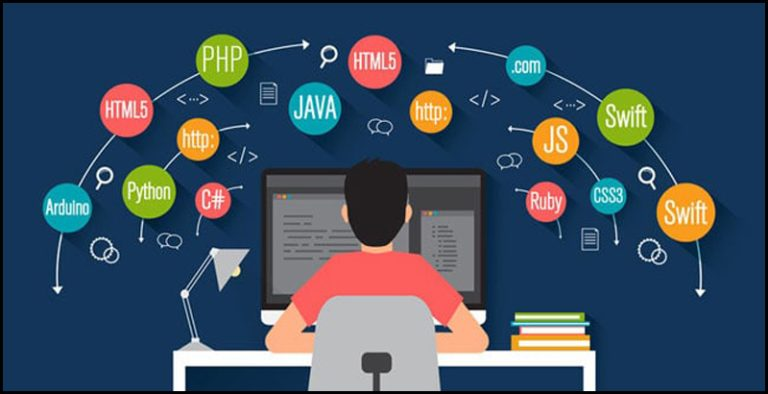
后端开发人员通常使用PHP、Python、Ruby、Java、.NET、NodeJS等服务器端编程语言,以及MySQL、PostgreSQL、MongoDB、Oracle等数据库技术。他们还需要熟练掌握与Backend相关的框架和库,如Laravel、Django、Ruby on Rails、Spring Boot和Express.js。
Backend la nen tang cua moi ung dung web va mobile. Lua chon ngon ngu va framework phu hop voi yeu cau du an, quy mo team va kha nang mo rong trong tuong lai.
Backend (server-side) is the part of an application that handles business logic, manages data, and provides APIs behind the user interface. This article analyzes the role of Backend developers, popular languages and frameworks, compares Backend with Frontend, and outlines the essential skills required.
2019Trusted since
B2BData solutions
Data·AIExpertise
Need data solutions for your business?
AlgoData has helped businesses with data engineering, analytics & AI since 2019.
What is Backend? Backend, also known as "server-side," is the invisible part of a web or mobile application. It encompasses the entire infrastructure, processing logic, and data storage behind the user interface. Backend serves as the brain of the application, processing user requests, interacting with databases, performing complex computations, and returning results for the Frontend to display.
The main components of Backend include:
Server: Where the application is hosted and runs.
Application: The software that processes business logic.
Database: Where data is stored and managed.
API (Application Programming Interface): The interface connecting Backend and Frontend.
Backend ensures that data is processed securely, efficiently, and can scale when needed. It also manages user authentication, information security, and application performance optimization.
Backend Developers
Backend developers are technology professionals responsible for developing and maintaining the "invisible" part of web or mobile applications. They design, build, and manage server-side components, ensuring the application runs smoothly and efficiently.
Backend developers typically work with server-side programming languages such as PHP, Python, Ruby, Java, .NET, NodeJS, and database technologies like MySQL, PostgreSQL, MongoDB, and Oracle. They also need to be proficient with Backend-related frameworks and libraries such as Laravel, Django, Ruby on Rails, Spring Boot, and Express.js.
Beyond writing code, Backend developers must have deep knowledge of data structures, algorithms, web security, session management, and database performance optimization.
The Role of Backend Developers in Web Development
Backend developers play a crucial role in web development, taking on many key responsibilities:
Building and maintaining server infrastructure: They set up and manage server environments, ensuring the system is always available and scalable.
Developing business logic: Backend developers create algorithms and complex data processing workflows, ensuring the application functions as expected.
Designing and managing databases: They build efficient database structures, optimize queries, and ensure data consistency.
Developing APIs: Backend developers create APIs to connect Frontend with Backend, enabling secure and efficient data exchange.
Securing systems: They implement security measures to protect data and prevent cyberattacks.
Optimizing performance: Backend developers continuously improve system processing speed and responsiveness.
Supporting Frontend development: They provide API endpoints and necessary documentation for the Frontend team, ensuring smooth integration between the two parts of the application.
To better understand Backend, we need to compare it with Frontend:
Criteria
Frontend
Backend
Purpose
Focuses on user experience, interface, and interaction
Handles business logic, data management, and system performance
Programming Languages
HTML, CSS, JavaScript, TypeScript
PHP, Python, Ruby, Java, C#, NodeJS
Runtime Environment
Runs in the user's browser
Runs on the server
User Interaction
Directly interacts with users
Indirectly through APIs and Frontend
Security
Focuses on user interface security
Primarily responsible for data and system security
Updates
Can be updated quickly and frequently
Updates require more caution due to direct impact on data and system performance
Scalability
Scaling mainly relates to interface and user experience
More complex scaling involving server performance and databases
Essential Tools for Backend Developers
Backend developers need to master many tools to build and maintain efficient systems. Here are the most important tools they commonly use:
Server-Side Programming Languages
Backend developers need to be proficient in at least one of the following server-side programming languages:
PHP: Popular in web development, especially with WordPress and other CMSs.
Python: Versatile, widely used in web development, data science, and AI.
Ruby: Famous for the Ruby on Rails framework, suitable for rapid web development.
Java: Powerful and reliable, commonly used in large enterprise applications.
C#: The primary language in Microsoft's .NET ecosystem.
NodeJS: Allows using JavaScript on both Frontend and Backend.
Each language has its own strengths and weaknesses, suited for different types of projects. Backend developers need to choose a language that fits the project requirements and the development team's skills.
Frameworks and Libraries
Frameworks and libraries help Backend developers build applications faster and more efficiently. Some popular frameworks and libraries include:
Laravel (PHP): A popular PHP framework with elegant syntax and many useful features.
Django (Python): A powerful Python framework with many built-in tools.
Ruby on Rails (Ruby): A famous Ruby framework known for rapid development capabilities.
Spring Boot (Java): Helps build Java applications quickly and easily.
ASP.NET Core (C#): Microsoft's open-source framework for web development.
Express.js (NodeJS): A lightweight and flexible framework for NodeJS.
Additionally, Backend developers need to be proficient with libraries related to data processing, security, and performance optimization.
Key Responsibilities of Backend Developers
Backend developers take on many important responsibilities in the development and operation of applications. Their key tasks include:
Building and Maintaining Websites and Applications
Backend developers are responsible for building infrastructure and business logic for websites or applications. They design database structures, build APIs, and implement server-side features. After the application is released, they continue to maintain and update the system to ensure stable and efficient operation.
These tasks include:
Designing system architecture
Building and managing databases
Developing APIs for Frontend
Implementing business logic
Optimizing system performance
Updating and upgrading features
Writing and Testing Code
Backend developers spend most of their time writing code for application features and functionality. They must ensure code is written clearly, efficiently, and adheres to the project's coding standards.
After writing code, they must perform thorough testing to ensure the code works as expected. This process includes:
Writing unit tests to verify individual components
Performing integration tests to ensure components work well together
Conducting stress tests to evaluate system load capacity
Fixing bugs and optimizing code based on test results
Evaluating Performance and Speed
One of the critical tasks of Backend developers is ensuring the application runs quickly and efficiently. They regularly assess system performance and find ways to improve processing speed.
Activities related to this task include:
Using performance monitoring tools to track response times and resource usage
Analyzing and optimizing database queries
Implementing caching to reduce server and database load
Optimizing code to reduce processing time
Considering scaling solutions such as load balancing or sharding
Troubleshooting and Bug Fixing
When an application encounters issues, Backend developers need to quickly identify the cause and provide solutions. They must be able to analyze errors, read system logs, and use debugging tools to find the root cause of problems.
The troubleshooting process typically includes:
Analyzing system logs to identify error points
Using debugging tools to trace code execution flow
Reproducing bugs in the development environment for easier testing
Providing temporary fixes to keep the system running
Developing and deploying bug patches
Updating documentation and notifying stakeholders about incidents and resolutions
Requirements to Become a Backend Developer
To become a successful Backend developer, you need a combination of knowledge, skills, and personal qualities. Here are the important factors:
Backend la nen tang cua moi ung dung web va mobile. Lua chon ngon ngu va framework phu hop voi yeu cau du an, quy mo team va kha nang mo rong trong tuong lai.
Conclusion: Backend is the core component that handles business logic, manages data, and ensures application security. Backend developers need to master server-side languages, frameworks, databases, and possess analytical and problem-solving skills to build efficient and scalable systems.